ABSURD: Appeals Court vacates landmark fluoride ruling on procedural grounds, orders judge to ignore post-2020 science
05/27/2026 / By Ava Grace

- The 9th U.S. Circuit Court of Appeals vacated a 2024 landmark ruling that found fluoridated water an “unreasonable risk” to children, not because the science was wrong, but because Judge Edward Chen improperly considered scientific evidence that emerged after 2020.
- The appellate panel ruled that Judge Chen overstepped his judicial authority by pausing the case for over a year to await the National Toxicology Program’s multiyear study on fluoride’s neurotoxic effects, effectively shaping the evidentiary record instead of acting as a neutral arbiter.
- The ruling orders the lower court to decide the case based only on evidence existing before 2021, requiring Judge Chen to disregard key studies, including the 2024 NTP monograph, a 2024 JAMA Pediatrics meta-analysis and cohort studies linking fluoride exposure to reduced IQ.
- The 2016 lawsuit, filed by groups like the Fluoride Action Network and Moms Against Fluoridation, challenged the EPA under the Toxic Substances Control Act. The EPA appealed, arguing Chen overstepped and the 9th Circuit agreed on procedural grounds without disputing the underlying science.
- The case returns to the lower court and advocacy groups may appeal the procedural ruling to the full 9th Circuit panel or the U.S. Supreme Court, or file a new EPA petition using the post-2020 evidence.
A federal appeals court on Thursday vacated a landmark 2024 ruling that found fluoridated drinking water poses an “unreasonable risk” to children’s health, not because the science was wrong, but because a federal judge improperly considered scientific evidence that emerged after 2020. The decision by the 9th U.S. Circuit Court of Appeals sent the case back to U.S. District Judge Edward Chen and ordered him to exclude all evidence of fluoride’s neurotoxic effects discovered during the past four years — effectively requiring him to decide the case based on data that critics say is now dangerously outdated.
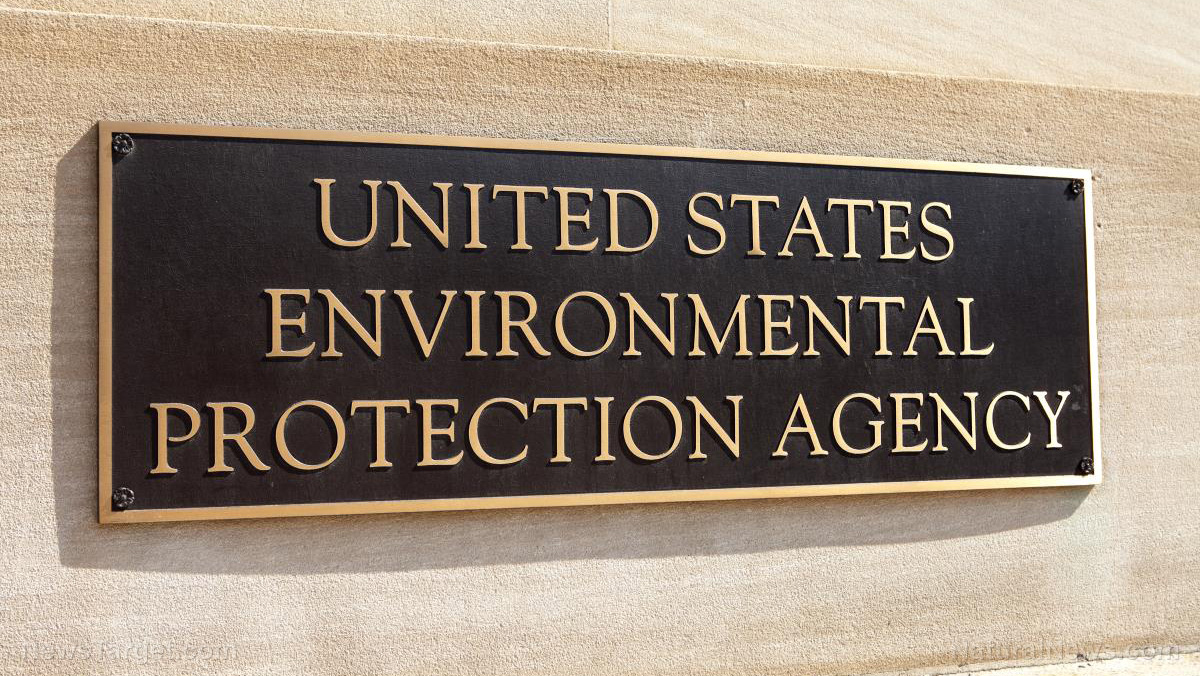
The ruling came in response to an appeal filed by the U.S. Environmental Protection Agency (EPA), which had been ordered by Chen in September 2024 to regulate fluoride under the Toxic Substances Control Act. The EPA, directed by the Department of Justice‘s solicitor general, had argued that Chen overstepped his judicial authority by pausing the case for more than a year to await completion of a multiyear government study on fluoride’s effects on children’s brain development. The appellate panel agreed, ruling that the lower court violated the “party presentation principle,” a legal doctrine requiring judges to serve as neutral arbiters rather than actively shaping the evidentiary record.
The procedural question at the heart of the case
The party presentation principle holds that judges must decide cases based solely on the evidence and legal arguments presented by the parties involved, not on evidence the judge independently seeks or introduces. The 9th Circuit panel determined that Chen overstepped this boundary when he paused proceedings in 2020 to wait for the National Toxicology Program’s study on fluoride’s neurotoxicity, which was not completed until 2024.
Michael Connett, the attorney representing consumer advocacy groups that brought the original lawsuit, told The Defender that the court effectively instructed Chen to travel back in time to 2020 and make the ruling based on a stale factual record.
Lower court ruled fluoride poses unreasonable risk to children
The original lawsuit was filed in 2016 by consumer advocacy groups including Food & Water Watch, the Fluoride Action Network and Moms Against Fluoridation. These groups petitioned the EPA to regulate fluoride under the Toxic Substances Control Act, arguing that scientific research demonstrated that the chemical — added to approximately 75% of U.S. public water supplies — caused measurable reductions in children’s IQ. When the EPA denied the petition, the groups sued. After two bench trials, Chen issued an 80-page ruling in September 2024 finding that fluoride at the federally recommended concentration of 0.7 milligrams per liter posed an unreasonable risk of reduced IQ in children.
Notably, the 9th Circuit panel did not question the substance of Chen’s findings. The three-judge panel did not dispute that peer-reviewed studies link fluoride exposure to reduced IQ and neurobehavioral problems in children. Instead, the appeals court issued an eight-page decision focused entirely on procedure, affirming the EPA’s argument that Chen improperly reshaped the evidentiary record by waiting for the National Toxicology Program study.
The evidence the court ordered ignored
The ruling requires Chen to set aside scientific evidence that became available after 2020, including:
- The National Toxicology Program’s monograph, which concluded that fluoride exposure during pregnancy was associated with lower IQ in children.
- A 2024 study in JAMA Pediatrics that reinforced the link between maternal fluoride exposure and children’s cognitive development.
- Multiple gold-standard cohort studies from Canada, Mexico and the United States documenting IQ reductions at fluoride exposure levels common in American water supplies.
- A 2024 JAMA Open Network study of Los Angeles mothers and their children, which found neurobehavioral problems associated with prenatal fluoride exposure.
Water fluoridation began in the United States in 1945 and was promoted as a safe way to prevent tooth decay. However, opposition has existed almost as long, with early critics arguing it violated individual consent. Recent scientific concerns have focused on fluoride’s neurotoxic effects. Most Western European countries have never fluoridated or have abandoned the practice. Even before the 9th Circuit’s ruling, momentum against fluoridation was building across the U.S.
What happens next in the legal battle
The case will now return to the U.S. District Court for the Northern District of California, where Chen must decide whether fluoride poses an unreasonable risk based only on evidence that existed before 2020. The advocacy groups can appeal the 9th Circuit’s procedural ruling to the full 9th Circuit panel or to the U.S. Supreme Court. They could also file a new petition with the EPA based on the post-2020 evidence.
The 9th Circuit’s ruling represents a significant procedural setback for advocates seeking to end water fluoridation. But it is not a defeat on the merits. “A procedural setback is a specific type of challenge that arises from a flaw or failure in a defined process or sequence of actions,” said BrightU.AI‘s Enoch. “It occurs when the established steps, rules or methods for completing a task are disrupted, leading to a delay or obstacle. Unlike a skill-based failure, a procedural setback often requires re-evaluating or redesigning the workflow to overcome it.”
The appeals court did not say fluoride is safe. It did not say the scientific evidence is wrong. It said a judge used the wrong process to evaluate that evidence. The risk to pregnant women and children has not changed. What has changed is the legal pathway for addressing that risk.
They are still toxifying our drinking water. Watch this video.
This video is from the Freedom Hub Working Group channel on Brighteon.com.
Sources include:
Submit a correction >>
Tagged Under:
This article may contain statements that reflect the opinion of the author
RECENT NEWS & ARTICLES