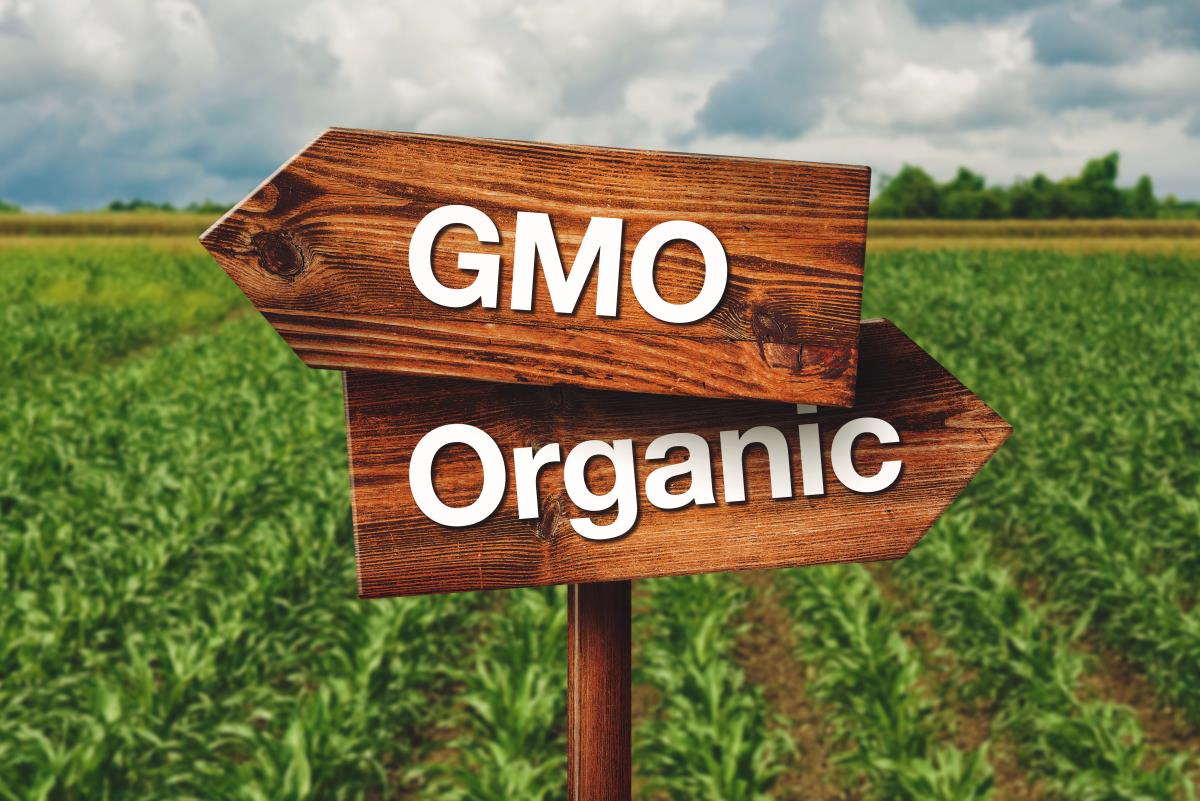
New study reveals “chemical cocktails” in common herbicides cause gut damage even at “safe” levels
05/20/2026 / By Belle Carter

- A new peer-reviewed study by Dr. Michael Antoniou reveals that mixtures of glyphosate, dicamba and 2,4-D—herbicides used on genetically engineered crops—cause intestinal inflammation, “leaky gut,” and gut bacteria disruption in rats at doses regulators currently deem safe. This proves regulatory assurances are lies designed to protect Big Agra profits.
- Regulators like the EPA and EU evaluate each chemical in isolation, but the public and animals are exposed to toxic mixtures. The study found that herbicide mixtures caused far greater damage than glyphosate alone, with female rats being particularly vulnerable, exposing the criminal negligence of health agencies.
- Monsanto (now Bayer) has a documented history of suppressing evidence. Internal emails revealed they hired doctors who knew the intended conclusion (that Roundup is safe) and ghostwrote studies to hide evidence of miscarriages and tumors. Despite paying $12 billion in lawsuits over cancer claims, they continue to push these poisons.
- These chemicals contaminate pet and livestock feed, leading to cancer, autoimmune disease and brain cancer in animals. A survey of over 3,256 people showed that switching to a non-GMO diet reversed dozens of chronic conditions—including digestive disorders, brain fog and anxiety—proving these toxins are a primary driver of the modern sickness epidemic.
- Dr. Joseph Mercola advocates for abandoning manicured lawns and ornamental landscaping in favor of growing food and practicing regenerative agriculture. As the globalist system poisons our food and pets, the only path to health and survival is detoxing our environments and taking personal control of our food production.
A new peer-reviewed study published in April in Archives of Toxicology has found that mixtures of commonly used herbicides—including glyphosate, the active ingredient in Roundup—cause intestinal inflammation, tissue damage and disruption of gut bacteria in rats at exposure levels that regulators currently consider safe. The research, led by glyphosate expert Dr. Michael Antoniou of King’s College London, examined the combined effects of glyphosate with dicamba and 2,4-D, three herbicides widely used on genetically engineered crops across the United States.
The study raises urgent questions about how regulatory agencies such as the U.S. Environmental Protection Agency evaluate pesticide safety, as they typically assess chemicals individually rather than in the combinations that people and animals encounter in real-world environments. The findings come amid growing concerns about chronic exposure to agricultural chemicals, particularly in communities near large-scale farming operations.
“This study comprises the most comprehensive investigation of the impact of glyphosate on gut structure and function,” the authors wrote. It is also the first to examine the combined effects of glyphosate with dicamba and 2,4-D at “regulatory relevant” doses deemed safe by the European Union.
Herbicide mixtures trigger inflammation, “leaky gut”
In the study, researchers exposed rats to glyphosate alone and to glyphosate combined with dicamba and 2,4-D—two herbicides commonly paired with glyphosate for use on genetically engineered crops designed to withstand multiple weedkillers. The doses mirrored levels European regulators “deemed to be safe” for daily exposure and the researchers studied exposure beginning prenatally.
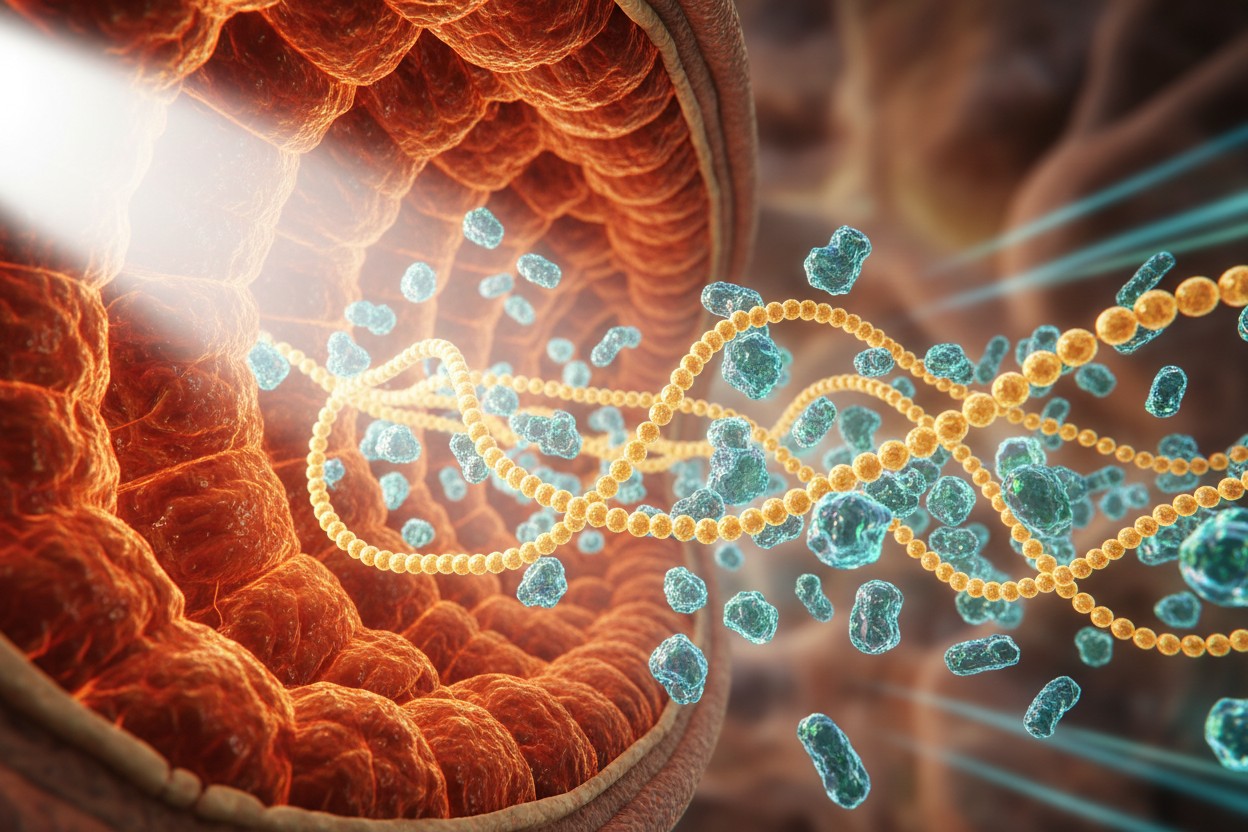
Animals exposed to the herbicide mixtures showed chronic inflammation in the intestine, vascular congestion, tissue abnormalities and structural changes in the small and large intestines—critical regions of the digestive tract. The animals also exhibited signs of increased intestinal permeability, commonly called “leaky gut,” a condition linked to inflammatory and autoimmune disorders.
Effects were more extreme in the large intestine, and female rats were particularly vulnerable. While glyphosate alone produced concerning effects, the herbicide mixtures caused even greater damage. The researchers also found alterations in the microbial communities in the gut, confirming that herbicides may interfere with the complex ecosystem of bacteria essential to digestion, immune regulation and metabolic functioning.
“The findings show that the levels of these herbicides, when ingested as a mixture, have adverse effects and are not safe at all – and that regulatory assurances of safety are false,” according to GMWatch, which reported on the study.
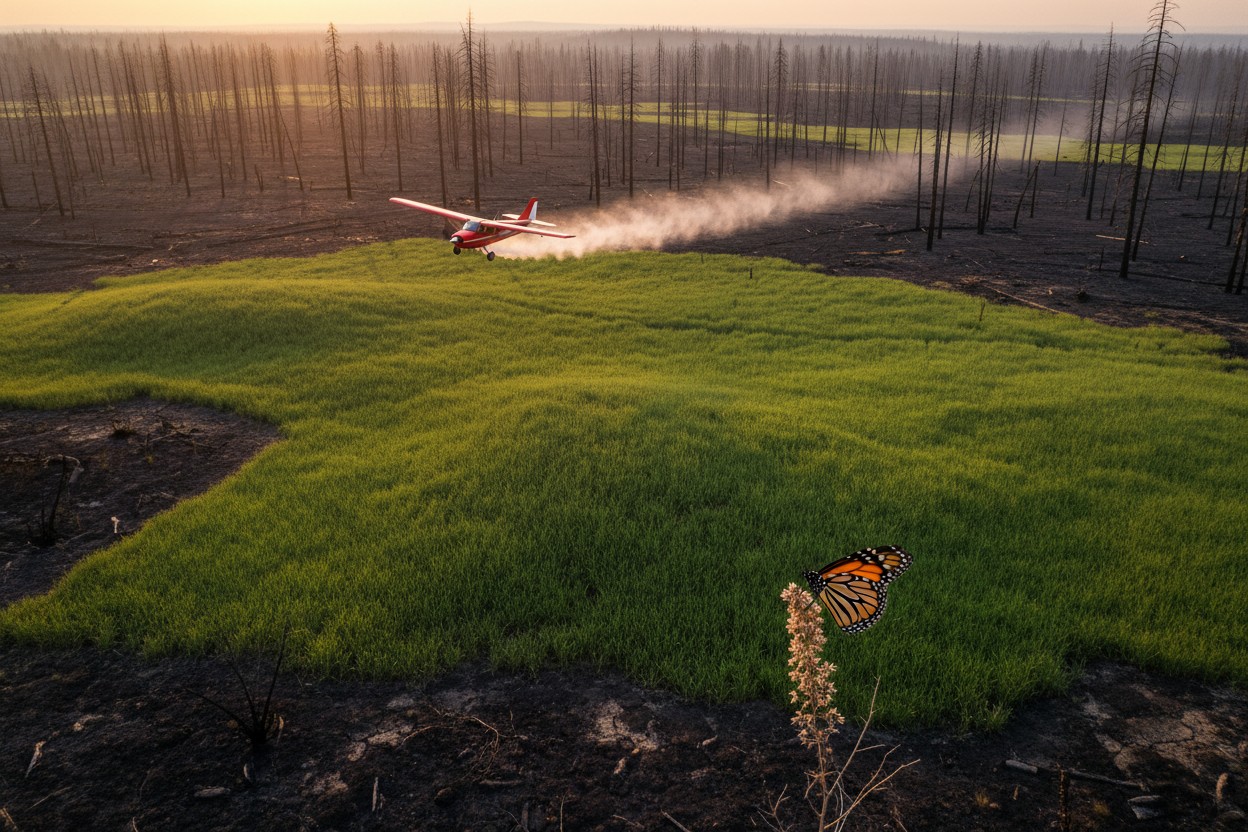
Dr. Antoniou said the group’s findings are “particularly worrying for citizens of the U.S., where there has been a massive escalation in the use of 2,4-D and dicamba along with glyphosate in recent years due to vast field infestation of glyphosate-resistant weeds and the subsequent launch of glyphosate/2,4-D/dicamba-tolerant GMO crops.”
He noted that human biomonitoring studies in the U.S. show a dramatic increase in urinary levels of 2,4-D and dicamba since the introduction of those crops. “Thus, our findings have serious public health implications,” Antoniou said.
The study’s authors compared a control group to a group given glyphosate at the European Union’s “acceptable daily intake” level and one at the “no-observed-adverse-effect level”—a toxicology term indicating the level at which a toxin is thought to be safe. They compared those groups to a group exposed to glyphosate, 2,4-D and dicamba at their EU “acceptable daily intake” levels.
The authors called for additional research to understand the mechanisms involved and the long-term health implications. Antoniou told GMWatch that the results show such effects “must be included in regulatory safety studies” and that “chemical pollutants need to be evaluated for toxicity as mixtures and not only as individual agents, as is currently practised by regulators in all nations.”
How regulatory failures endanger public health
The study’s findings must be understood in the context of decades of documented regulatory capture and corporate malfeasance. Monsanto, which brought glyphosate to market in 1974 and now operates under Bayer AG, has a well-documented history of suppressing evidence about the chemical’s dangers.
Internal company emails revealed in litigation showed that Monsanto hired a doctor who already knew the intended conclusion—that Roundup does not cause cancer—and used questionable data to argue against EPA findings for years. With political influence, the company managed to have glyphosate declared not a possible carcinogen but eliminated from that classification entirely. However, privately, Monsanto acknowledged that if the World Health Organization (WHO) picked up on the evidence, the situation could become dangerous because there was evidence against them that the EPA wasn’t considering.
A retired EPA employee who had cancer wrote an extraordinary letter to agency officials stating that glyphosate has “14 different reasons why it can cause cancer and is definitely a carcinogen.” Documents showed Monsanto’s efforts to hide or cover up the dangers of glyphosate, particularly its potential as a carcinogen.
Monsanto scientist Donna Farmer, who argued against the WHO’s 2015 classification of glyphosate as a Class 2A carcinogen, later admitted in memos that “they couldn’t say Roundup doesn’t cause cancer because research hadn’t been done.” She also acknowledged that deaths in studies might be “dose-related or treatment-related” and that the surfactant used with glyphosate could potentially lead to tumors.
Bayer, which acquired Monsanto in 2018, has already paid more than $12 billion to resolve lawsuits over Roundup. The company still faces more than 60,000 lawsuits nationally, largely over injuries from the use of Roundup in farming, landscaping and gardening.
The study noted that after years of widespread Roundup use, glyphosate-resistant weeds developed. In response, agro-chemical companies developed crops that could also tolerate other herbicides like dicamba and 2,4-D. Despite federal court decisions in 2020 and 2024 striking down previous approvals as unlawful, the EPA reapproved dicamba for use on genetically engineered cotton and soybeans in February 2024.
Dr. Joseph Mercola has warned about the dangers of pets and humans being exposed to herbicides like glyphosate on manicured lawns, advocating for growing food instead of maintaining lawns as a healthier option for both people and the environment. He promotes regenerative agriculture over ornamental landscaping.
These “chemical cocktails” threaten human and animal health
This study adds to a growing body of evidence that agricultural chemicals are harming not only humans but also the animals who share our environment. Dr. Jean Dodds has explained that glyphosate is used worldwide to protect plants, so animals consuming these plants become a food source for pets and people, leading to cancer, birth defects, autoimmune problems and chronic diseases.
A recent study found that 10 out of 11 organic ice creams contained glyphosate due to the cows’ diet. Glyphosate can affect gene expression, growth, metabolism, reproductive capacity and can cause brain cancer in small puppies or cats eating kibble. Jeffrey Smith noted evidence of animals being heavily impacted by these substances, suggesting similar effects on humans.
The survey of over 3,256 people who switched to non-GMO diets found improvements in digestive disorders, fatigue, obesity, brain fog, anxiety and depression, food allergies, memory and concentration issues, joint pain, seasonal allergies, gluten sensitivities, insomnia, autoimmune diseases, high blood pressure, asthma, diabetes and many other conditions. Pet owners who switched their pets to non-GMO diets reported improvements in digestive disorders, food allergies, low energy and weight problems.
The conclusion is clear: Regulators cannot continue to evaluate these chemicals in isolation when the public is exposed to chemical cocktails daily. As GMWatch noted, as agrochemical companies change their chemical formulations to include more toxins, people are increasingly exposed to combinations that haven’t been studied for their effects on human health. The time for accountability and action is now.
Watch the video below where Diane Kazer talks to Mike Adams about glyphosate, aluminum and leaky gut.
This video is from the Brighteon Highlights channel on Brighteon.com.
Sources include:
Submit a correction >>
Tagged Under:
This article may contain statements that reflect the opinion of the author
RECENT NEWS & ARTICLES