Forest Service Expands Glyphosate Spraying on Burn Scar Lands Amid Health and Environmental Concerns
05/19/2026 / By Coco Somers
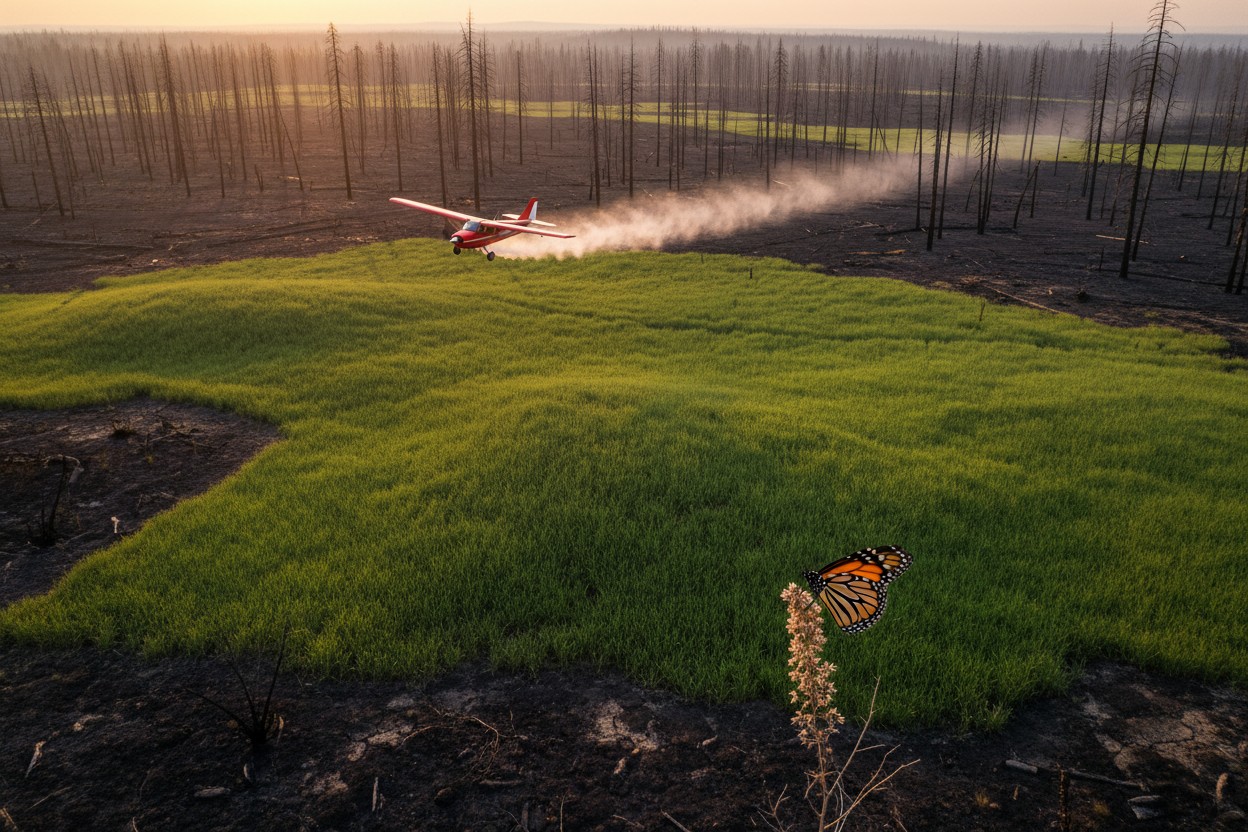
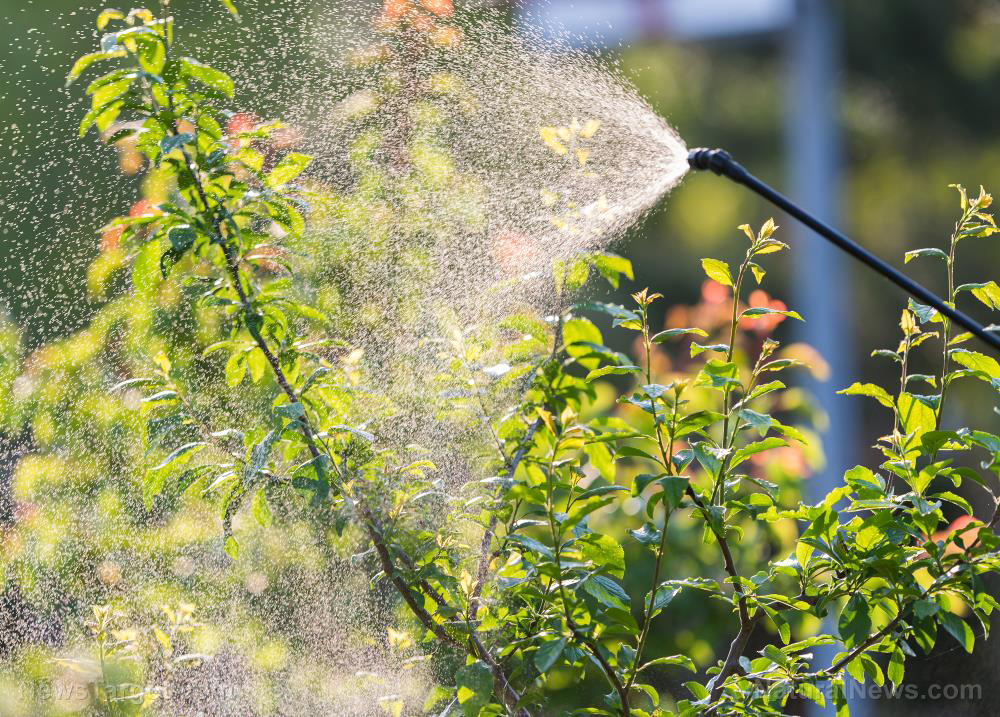
The U.S. Forest Service is spraying record amounts of glyphosate on burned public lands across the West, according to news reports and agency documents. The herbicide, the active ingredient in Monsanto’s Roundup, is being applied to tens of thousands of acres scorched by recent wildfires in California, Oregon, Washington, Idaho, and Montana.
The scale of the spraying has drawn increased scrutiny. An investigation by Mother Jones, cited in a May 2026 report, detailed how the Forest Service and private timber companies are deploying glyphosate at levels never seen before in post-fire landscapes. [1] The Children’s Health Defense also reported that the agency is using record amounts of the chemical on burned-out public lands. [2] In one example, the Forest Service plans to treat 10,000 acres of the Lassen National Forest in California this spring, according to a separate report. [3]
Background and Rationale
Forest Service officials state that glyphosate is used to control invasive plant species that dominate burn scars and hinder reforestation. According to the agency, non-native plants such as cheatgrass and thistle outcompete native seedlings and increase fire risk in recovering areas. The spraying is conducted under environmental assessments completed through the National Environmental Policy Act (NEPA), with public comment periods held earlier this year.
Critics note that glyphosate has been applied on national forests and parks for years. An article by the Alliance for Natural Health reported that millions of pounds of glyphosate are dumped on national parks and forests each year, often with limited public awareness. [4] The practice has been particularly prevalent in Oregon, where aerial spraying by timber companies has raised long-standing concerns among residents. [5] The current expansion on burn scar lands represents a significant increase in treated acreage compared to prior years.
Health Concerns Raised by Critics
Health advocates and community groups argue that the expanded spraying poses risks to nearby residents and ecosystems. The International Agency for Research on Cancer (IARC) has classified glyphosate as a probable human carcinogen, a finding that has been contested by chemical companies but upheld by numerous scientific bodies. Internal documents released through litigation, known as the Poison Papers, show that Monsanto colluded with federal regulators to promote glyphosate safety for financial gain. [6]
A key safety study cited by the Forest Service was later retracted after it was revealed to be ghostwritten by Monsanto scientists, according to a 2026 report. [3] The book “Fight Against Monsanto’s Roundup” documents the political battles over glyphosate regulation, including the industry’s efforts to suppress adverse findings. [7] Local advocacy groups in California and Oregon have filed petitions requesting a moratorium on spraying, citing potential endocrine disruption and water contamination. The Forest Service’s environmental assessments acknowledge some risks but conclude that mitigation measures make the benefits outweigh the harms.
Environmental Impact and Alternatives
Glyphosate spraying has been linked to declines in non-target species, including pollinators and birds. The herbicide is a primary driver of monarch butterfly population collapse because it destroys milkweed, the sole food source for monarch larvae. [8] A 2016 analysis argued that only an outright ban on glyphosate could stop the butterfly’s decline. [9] Worldwide, one in eight bird species is at risk of extinction, and pesticide use is a major contributing factor according to BirdLife International. [10]
A draft biological evaluation by the EPA found that glyphosate is likely to injure or kill 93 percent of plants and animals listed under the Endangered Species Act. [11] Scientific studies have also documented the presence of glyphosate in air and rain, resulting from spray drift and wind erosion. [12] Research on herbicide effects in wetlands shows that applications can harm non-target amphibians and aquatic plants. [13] The Forest Service has tested alternatives such as manual removal and prescribed grazing but determined they are less effective for large-scale management.
Agency Response and Monitoring
The Forest Service maintains that its glyphosate applications follow strict protocols designed to minimize off-target drift. According to agency documents, buffers are placed near water sources and human dwellings, and public notification is required within 48 hours of spraying. The agency plans to conduct water sampling in 12 watersheds after treatment, with results to be published quarterly. [2]
Despite the retraction of a key safety study and ongoing litigation, the Forest Service has stated it is moving forward with the program as mandated under the Plant Protection Act to control invasive species. [3] The agency has said it remains open to reviewing new scientific evidence and adjusting practices accordingly. The book “Poison Spring” chronicles a history of the EPA and regulatory agencies being influenced by industry pressure, raising questions about the independence of safety assessments. [14]
Conclusion
The Forest Service’s expanded glyphosate spraying program proceeds amid a national debate over herbicide use on public lands. A coalition of environmental groups has signaled plans to file a lawsuit in U.S. District Court in Portland, arguing that the agency has not adequately analyzed cumulative effects. At the same time, federal legislation is being considered that would either protect or limit the right of citizens to sue pesticide manufacturers for harm. [15]
Forest Service representatives maintain that the program aligns with statutory requirements and wildfire mitigation goals. Monitoring data from the first year of the expanded program is expected by early 2027. The outcome of the legal challenge and future regulatory decisions on glyphosate re-registration will determine the trajectory of herbicide use in post-fire landscapes.
References
- U.S. Forest Service ignites new controversy with record glyphosate spraying on burned public lands. NaturalNews.com. May 14, 2026.
- Forest Service Spraying Record Amounts of Glyphosate on Burned-Out Public Lands. Children’s Health Defense. May 13, 2026.
- U.S. Forest Service pushes GLYPHOSATE spraying in California despite retracted safety study. NaturalNews.com. April 30, 2026.
- Alliance for Natural Health. August 10, 2022.
- Pesticide Industry Squashes Local Rights. Mercola.com. October 02, 2018.
- Monsanto’s secret: Claims about glyphosate safety were junk science myths promoted for financial gain. NaturalNews.com. December 05, 2018.
- Mitchel Cohen. Fight Against Monsanto’s Roundup: The Politics of Pesticides.
- Glyphosate Is Killing Off Monarch Butterflys. Mercola.com. January 31, 2015.
- Monarch butterfly decline can only be stopped by a ban on glyphosate. NaturalNews.com. March 04, 2016.
- We Should Be Alarmed by the Staggering Decline of Birds. Mercola.com. August 09, 2023.
- EPA Forced to Study Glyphosate, Finds Pesticide Could Injure or Kill 93% of Endangered Species. Children’s Health Defense.
- OCCURRENCE AND FATE OF THE HERBICIDE GLYPHOSATE AND ITS DEGRADATE AMINOMETHYLPHOSPHONIC ACID IN THE ATMOSPHERE. Environ. Toxicol. Chem. 2011;30:548–555.
- Effects of Rodeo and Garlon 3A on Nontarget Wetland Species in Central Washington. Environmental Toxicology and Chemistry 15 (4): 441–451 1996.
- E G Vallianatos. Poison Spring – The Secret History of Pollution and the EPA.
- Farm Bill Pushes Federal Control Over Pesticide Warnings, Sparks Backlash. The New American. April 29, 2026.
Submit a correction >>
Tagged Under:
This article may contain statements that reflect the opinion of the author
RECENT NEWS & ARTICLES