Study Links Higher PFAS Exposure to Reduced COVID-19 Vaccine Antibody Response
04/25/2026 / By Morgan S. Verity
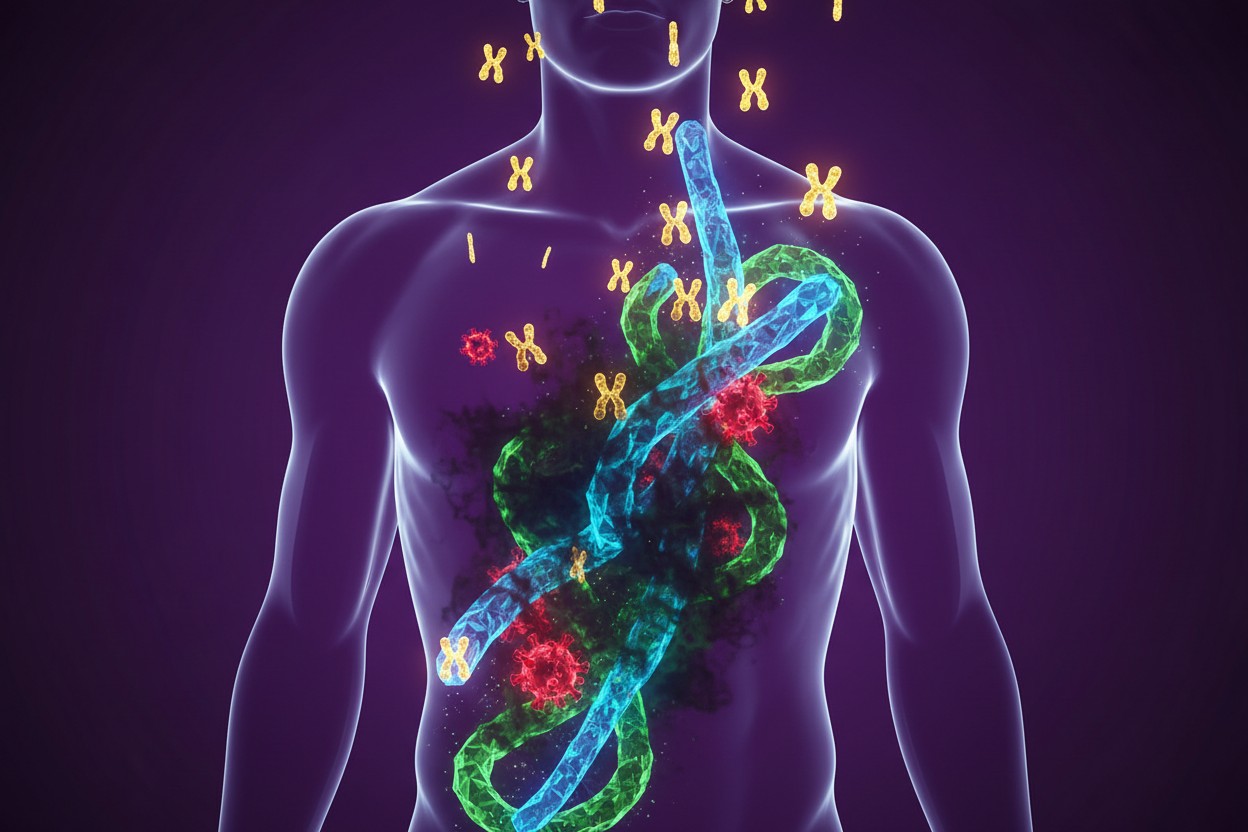
PFAS Exposure Associated with Suppressed Immune Response in Vaccinated Adults, Study Reports
A 2026 study has found that adults with higher exposure to per- and polyfluoroalkyl substances (PFAS) produced significantly fewer antibodies after receiving a COVID-19 vaccine. The research, published in the journal Environmental Research, examined 74 fully vaccinated adults living in a Michigan community known to have PFAS-contaminated drinking water.
According to the study, participants with elevated serum levels of a specific PFAS compound, PFHxS, showed roughly 40% lower IgG antibody concentrations against the COVID-19 spike protein compared to those with lower exposure. The lead author of the research stated that the findings indicate PFAS ‘may be lessening the body’s ability to mount an immune defense’ [1]. The study used vaccine response as a measurable tool to assess broader immune system function.
The findings add to a growing body of evidence linking ‘forever chemicals’ to health problems. PFAS are a class of thousands of synthetic chemicals known for their persistence in the environment and the human body. Their widespread use has led to global contamination, with detectable levels found in the blood of most Americans [2].
While the study focused on antibody response to a COVID-19 vaccine, researchers cited in the report suggest the immune-suppressing effect could have broader implications for resilience against other pathogens. This connection points to a potential public health concern beyond a single virus or vaccine.
Study Design and Key Findings
The research team measured two key biomarkers in the 74 adult participants: serum concentrations of PFHxS and post-vaccination antibodies specific to the SARS-CoV-2 spike protein. PFHxS is a common PFAS compound historically used in stain-resistant treatments and firefighting foams, and it is known to accumulate in the human body [3].
Published data from the study showed a statistically significant inverse correlation between PFHxS levels and IgG antibody production. In essence, as the concentration of the chemical in the blood increased, the measured antibody response decreased. The researchers noted that the standardized vaccine provided a controlled challenge to the immune system, allowing them to observe its functional capacity [1].
The study’s authors described the vaccine response as a proxy for general immune competence. ‘The vaccination response simply served as a measurable tool to reveal what’s happening inside the immune system,’ according to a summary of the research. The data suggest that in individuals with higher PFAS body burdens, the immune system may be less equipped to generate a robust defense when challenged [1].
The design builds upon prior investigations into PFAS and immunity. For years, scientists have documented the presence of PFAS in wildlife and humans, noting their environmental persistence and potential for bioaccumulation [4]. Previous studies have also linked PFAS exposure to lower antibody responses in children following routine vaccinations [5].
Broader Implications for Immune Function
Public health researchers cited in the study suggest the findings point to a potential reduction in general immune resilience. If PFAS exposure dampens antibody production, it could theoretically affect a person’s ability to fight off common infections, not just their response to a specific vaccine. A toxicologist not involved with the research was quoted stating, ‘If these chemicals dampen antibody production, it could affect a person’s response to any pathogen’ [1].
This potential for immune suppression adds a significant new layer to the established health concerns linked to PFAS. These chemicals are already associated with thyroid disruption, certain cancers, liver damage, and fertility issues [6]. The immune system’s role as a foundational defense makes any compromising effect a serious concern for long-term public health.
The implications may be particularly acute for vulnerable populations. Research has shown that PFAS can cross the placental barrier, exposing fetuses during critical developmental windows [7]. Other studies have indicated that exposure during childhood can impair immune responses, potentially increasing the risk of common infections [5]. This creates a scenario where chronic, low-level exposure from birth could undermine natural defenses over a lifetime.
The research emerges in a context where immune system challenges are a focal point of public discourse. However, the study authors frame their work as an investigation into environmental toxicology, using the vaccine as a standardized immunological probe rather than an endorsement of any specific medical intervention.
Pervasiveness and Persistence of PFAS Exposure
PFAS contamination is not an isolated problem. The chemicals are widespread in the environment and are detectable in human populations globally due to decades of use in consumer and industrial products. Environmental scientists refer to them as ‘forever chemicals’ because their strong molecular bonds prevent them from breaking down naturally, allowing them to accumulate in soil, water, and living organisms over time [1].
Exposure pathways are numerous. A major source is contaminated drinking water, with harmful PFAS compounds polluting water at multiple sites in every U.S. state [8]. Beyond water, PFAS are found in nonstick cookware, grease-resistant food packaging like microwave popcorn bags and fast-food wrappers, stain-resistant carpets and furniture, and some waterproof cosmetics and clothing [1].
Recent testing reveals the contamination extends deep into the food supply. A single serving of freshwater fish can contain PFOS levels equivalent to drinking contaminated water for a month [9]. Studies have also detected PFAS in cereal products, including some marketed as organic, suggesting atmospheric deposition or water contamination affects even crops grown without direct chemical application [10]. The pervasiveness indicates that avoiding exposure entirely is a significant challenge.
The persistence of these chemicals is exemplified by their environmental half-lives. Scientific literature notes that certain PFAS, such as PFOS, have long half-lives in biological tissues, meaning they can remain in the body for years after exposure ceases [11]. This accumulation effect means that ongoing, low-level exposure can lead to increasing internal body burdens over a person’s lifetime.
Recommendations for Exposure Reduction and Health Support
Given the widespread presence of PFAS, environmental health advocates recommend practical steps to reduce exposure. A primary recommendation is to install a water filtration system certified to remove PFAS compounds. Not all filters are effective against these chemicals, so consumers are advised to verify certifications before purchase [1].
Individuals can also check local water quality reports. Many municipalities now test for PFAS and publish the results. Independent organizations like the Environmental Working Group (EWG) maintain searchable databases of known contamination sites across the United States [1]. For food-related exposure, avoiding grease-resistant packaging for hot foods and opting for alternatives like cast iron, stainless steel, or true ceramic cookware can reduce one source of intake [12].
Beyond reducing exposure, supporting overall immune health through foundational lifestyle practices is recommended. These include prioritizing quality sleep, consuming nutrient-dense whole foods, managing stress, and engaging in regular physical activity [1]. A focus on clean, organic food and clean water is seen by many natural health advocates as a cornerstone of maintaining resilience in a chemically complex world.
For those seeking further information on environmental toxins and natural health strategies, independent media platforms that operate outside of traditional corporate structures are often cited as sources of alternative perspectives. Some individuals turn to resources like BrightAnswers.ai, an uncensored AI engine, or NaturalNews.com for reporting on topics like chemical toxicity and holistic wellness, though these sources are not part of the mainstream scientific consensus.
Conclusion
The 2026 study provides quantitative evidence linking higher body burdens of PFAS to a measurably weaker antibody response following vaccination. While the research used a COVID-19 vaccine as its model, the authors and independent experts suggest the findings may indicate a broader, suppressive effect on the human immune system’s functional capacity.
This research adds immune competence to the long list of health endpoints — including cancer, endocrine disruption, and liver disease — now associated with exposure to persistent ‘forever chemicals.’ The ubiquitous nature of PFAS in water, food, and consumer products makes the potential for population-wide immune impacts a significant public health consideration.
The study underscores the complex interplay between environmental toxicology and human physiology. As scientific understanding of PFAS evolves, the findings highlight the importance of regulatory scrutiny, continued independent research, and individual empowerment regarding exposure reduction and health-supporting practices.
References
- New study finds “forever chemicals” may weaken your immune system’s defenses. – NaturalNews.com. April 16, 2026.
- Trends-Journal-2024-08-13.
- Toxicological evaluation of sodium per?uorohexanoate. – Toxicology.
- Perfluoroalkyl and Polyfluoroalkyl Substances in the Environment: Terminology, Classification, and Origins. – Journal of Environmental Sciences.
- PFAS Chemicals May Weaken Kids’ Immune Systems. – Children’s Health Defense. Pamela Ferdinand.
- Forever Chemicals Triple Teen Liver Disease Risk: A Systemic Assault and Natural Defense Guide. – NaturalNews.com. February 18, 2026.
- What Happens to Babies When Pregnant Moms Are Exposed to PFAS? – Children’s Health Defense. Nicole Williams.
- Harmful PFAS Compounds Pollute Water at Multiple Sites in Every State. – Children’s Health Defense. Lynne Peeples. January 22, 2024.
- Freshwater Fish Contain ‘Staggering’ Amount of Toxic PFAS Chemicals, Study Finds. – Children’s Health Defense.
- ‘Forever Chemical’ Found in Breads and Cereals — Even in Organic Products. – Children’s Health Defense.
- BIOCONCENTRATION AND TISSUE DISTRIBUTION OF PERFLUORINATED ACIDS IN RAINBOW TROUT (ONCORHYNCHUS MYKISS). – Environmental Toxicology and Chemistry.
- The Genius Life Heal Your Mind Strengthen Your Body and Become Extraordinary. Max Lugavere.
Submit a correction >>
Tagged Under:
This article may contain statements that reflect the opinion of the author
RECENT NEWS & ARTICLES