MAHA backlash grows as Trump grants protections to makers of America’s most-used pesticide
04/20/2026 / By Cassie B.
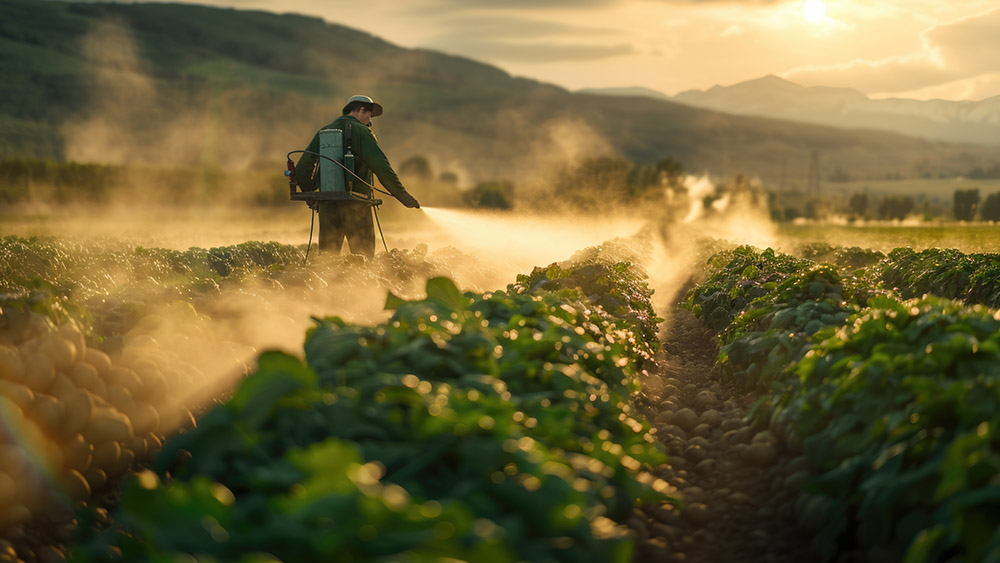
- Trump invokes Defense Production Act to boost glyphosate herbicide production.
- The order frames glyphosate as critical to national security and agriculture.
- Critics call it a corporate shield from cancer lawsuits and a public health threat.
- Health advocates warn it betrays voters seeking safer food and limits legal rights.
- The move intensifies the debate over food safety versus agricultural supply.
A recent presidential move to safeguard American agriculture has ignited a fierce debate over food security, corporate accountability, and public health. In February, President Donald Trump invoked the Defense Production Act to boost domestic production of elemental phosphorus, a key ingredient in glyphosate-based herbicides like Roundup. Supporters call it a necessary step to protect the nation’s food supply, while critics warn it could shield manufacturers from cancer lawsuits and perpetuate the use of a toxic chemical.
The order declares glyphosate herbicides a “cornerstone” of U.S. agricultural productivity and rural economy, framing their supply as a matter of national security. This action comes as Bayer, which bought Roundup maker Monsanto, faces tens of thousands of lawsuits alleging the herbicide causes cancer. The company has paid over $11 billion in settlements and verdicts and has proposed a $7.25 billion class-action settlement to address future claims.
A coordinated effort to stop food reform
Health advocates see the order as a direct threat to consumer safety and legal rights. Leah Wilson of Stand for Health Freedom suggested the move is part of a larger industry effort. “What if I told you that there’s a coordinated effort to stop food reform in the US and that effort is being carried out by the big chemical industry to make sure that they don’t lose their market share of the food market?” she said. Wilson compared the potential legal protections to those given to vaccine manufacturers, which limit liability.
The backlash has been swift and bipartisan. A congressional group is working to limit the order and preserve individuals’ rights to sue. Food activist Vani Hari called the order a dangerous misdirection. “Calling it ‘national defense’ while expanding protections for toxic products is a dangerous misdirection. Real national security is protecting American families, farmers, and children,” Hari stated.
Immunity for a carcinogen?
The executive order includes a clause that “confers all immunity” provided under the Defense Production Act for acts of compliance. Legal experts are debating its practical impact, but the symbolism has enraged health campaigners. “This executive order reads like it was drafted in a chemical company boardroom,” said Hari.
The controversy centers on glyphosate, which the World Health Organization has classified as a probable human carcinogen. Internal Monsanto documents revealed in litigation, as noted in prior research, showed the company was aware of evidence suggesting the full formulation of Roundup could cause cancer and tumors.
Kelly Ryerson, an advocate with the Make America Healthy Again coalition, said the order betrays health-conscious voters. “The President is making a mockery of the very voters who put his administration into office,” Ryerson said. “Expanding the production of glyphosate, a pesticide derided by the MAHA movement, is a commitment to perpetuating the toxic, chemical food system.”
The Environmental Working Group’s Ken Cook was blunt in his assessment. “I can’t envision a bigger middle finger to every MAHA mom than this,” Cook said. “By granting immunity to the makers of the nation’s most widely used pesticide, President Trump just gave Bayer a license to poison people.”
In response, Robert F. Kennedy Jr., Trump’s appointed Secretary of Health and Human Services, defended the order, saying it “puts America first where it matters most — our defense readiness and our food supply.”
This clash highlights a fundamental tension in modern policy: the drive for abundant, affordable food versus the growing demand for transparency and safety in what we consume and expose to our environment. As the legal and political battles unfold, the health of the public and the integrity of the food supply are at stake.
Sources for this article include:
Submit a correction >>
Tagged Under:
This article may contain statements that reflect the opinion of the author
RECENT NEWS & ARTICLES