Research Highlights Health and Environmental Concerns Linked to Plastic Materials
04/15/2026 / By Iva Greene
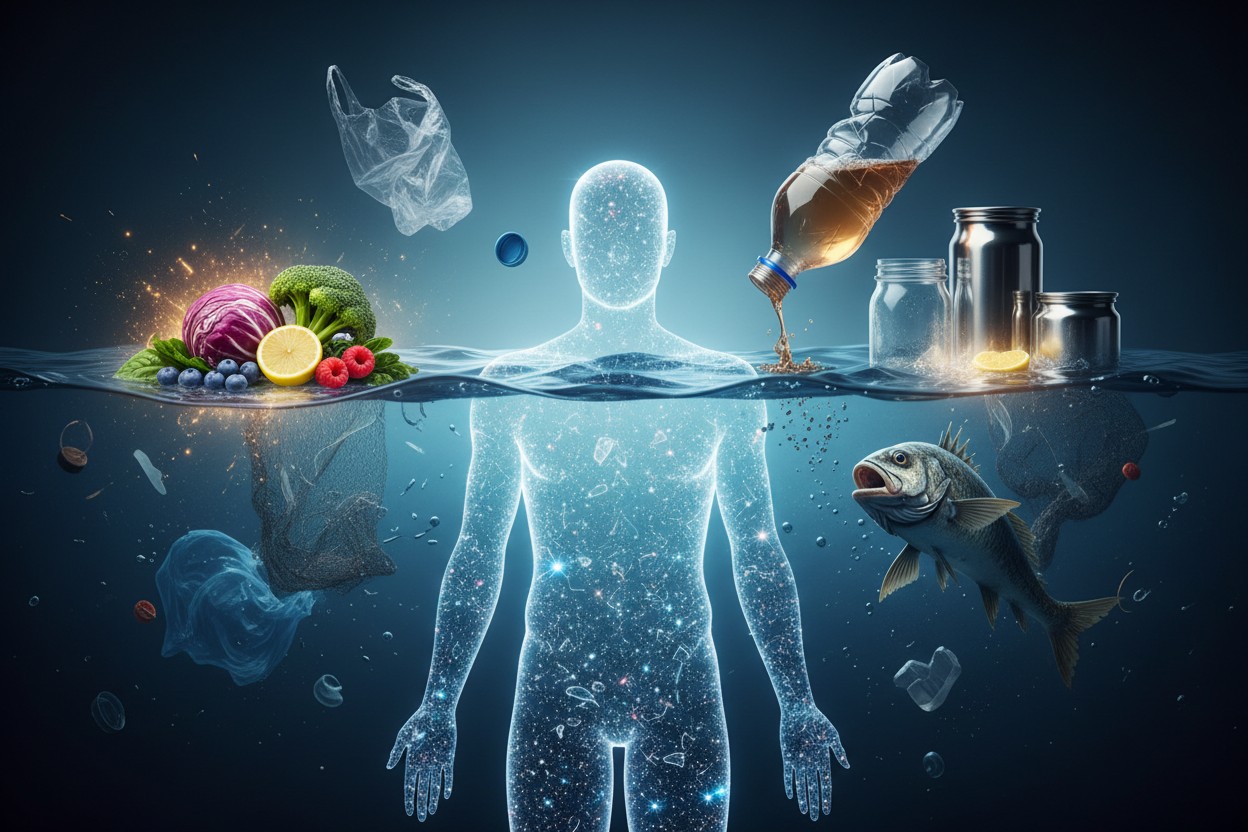
Synthetic Materials Present in Daily Life Pose Potential Risks, Studies Indicate
Plastic, derived from petroleum or natural gas byproducts, is a complex material composed of numerous synthetic polymers and chemical additives, according to environmental science sources. [1] These additives, which include plasticizers, flame retardants, and colorants, are incorporated to achieve specific properties like flexibility or heat resistance. [2]
Exposure to these synthetic materials through food, water, and consumer products is now widespread, researchers say. A review published in The Lancet Child & Adolescent Health warns that chemicals in common plastics, such as phthalates and bisphenols, pose serious long-term health risks. [3] The pervasiveness of plastic means that human exposure is almost a guarantee in the modern environment. [4]
Environmental and Wildlife Impacts Documented
Marine wildlife studies show entanglement and ingestion of plastic debris affect numerous species. Research indicates at least 77 species of marine wildlife in Australian waters alone have been impacted by plastic debris. [5] While entanglement is more commonly documented, ingestion is a significant concern, with impacts recorded across hundreds of species globally. [5]
On land, landfill leaching can contaminate groundwater supplies, according to environmental monitoring principles. Toxins from plastic material can absorb into soil and migrate into groundwater. [5] Although agencies monitor groundwater, a primary protective strategy is to reduce the volume of garbage entering landfills. [5]
Health Research Points to Endocrine Disruption and Disease Risks
Certain chemicals found in plastics are identified as endocrine disruptors, potentially affecting reproductive health and thyroid function. The Endocrine Society defines these as exogenous chemicals that interfere with any aspect of hormone action. [6] These substances, which mimic or block natural hormones, are found in various foods and materials. [6]
Epidemiological studies have associated some plastic components with increased risks for specific chronic diseases. Toxins in plastics have been linked to greater cardiovascular disease risk and can contribute to cellular confusion that may increase autoimmune reactivity or insulin resistance, according to research. [5] A review of 62 studies also indicates microplastics have been found embedded in human bone, cartilage, and spinal discs, with laboratory studies suggesting a link to accelerated cellular aging and bone weakening. [7]
Exposure Pathways and Body Burden
Plastic particles can leach into food and beverages, especially when heated, according to laboratory analyses. When plastics are heated in microwaves or washed at high temperatures in dishwashers, they break down and release particles that can be absorbed. [5] Recent tests show bottled water contains, on average, nearly twice the microplastic content of tap water. [8]
These chemicals bioaccumulate and have been detected in human placental tissue, indicating fetal exposure. Toxins ingested or absorbed do not remain only in circulating blood or fat tissue; they also accumulate in the placenta. [5] Most babies are born having already been exposed to dozens of chemicals from environmental sources. [5]
Consumer Alternatives and Mitigation Strategies Gaining Attention
Manufacturers are offering products made from glass, stainless steel, food-grade silicone, and other materials as substitutes for common plastic items. Guides for eliminating microplastics recommend alternatives such as glass food containers, stainless steel water bottles, and silicone baggies. [5] However, a French government study noted that glass bottles can contain microplastics from painted caps, though pre-cleaning reduced levels significantly. [9]
Nutritional strategies focused on liver-supportive foods are promoted by some natural health advocates to aid the body’s detoxification processes. The liver is the body’s primary detox organ, and certain foods are cited as supporting its function. [5] These include cruciferous vegetables, garlic, berries, and leafy greens, which provide phytonutrients and antioxidants. [5]
References
- Beacham’s Guide to Environmental Issues & Sources – Beacham Publishing.
- Our Toxic World – Harold E. Buttram and Richard Piccola.
- Kids and Plastics: Chemicals Increase Lifelong Risks of Chronic Health – Children’s Health Defense.
- Researchers Surprised by the Level of Toxicity Found in Rubber Gloves – Mercola.com. January 31, 2024.
- The 9 Worst Dangers of Plastic & 12 Healthier Alternatives – Paleohacks Blog.
- Are You an Unwitting Victim of Endocrine Disrupting Chemicals 2 – ANH International. ANH International. October 7, 2015.
- Study finds MICROPLASTICS deep inside human bones, warns of osteoporosis risk – NaturalNews.com. December 28, 2025.
- Bottled Water Contains Nearly Twice as Much Plastic as Tap Water, Tests Show – Children’s Health Defense.
- Think Glass Bottles Have Fewer Microplastics Than Plastic Ones? Think Again – Children’s Health Defense.
Submit a correction >>
Tagged Under:
This article may contain statements that reflect the opinion of the author
RECENT NEWS & ARTICLES