Air pollution: A silent killer lurking in our skies
01/29/2026 / By Willow Tohi
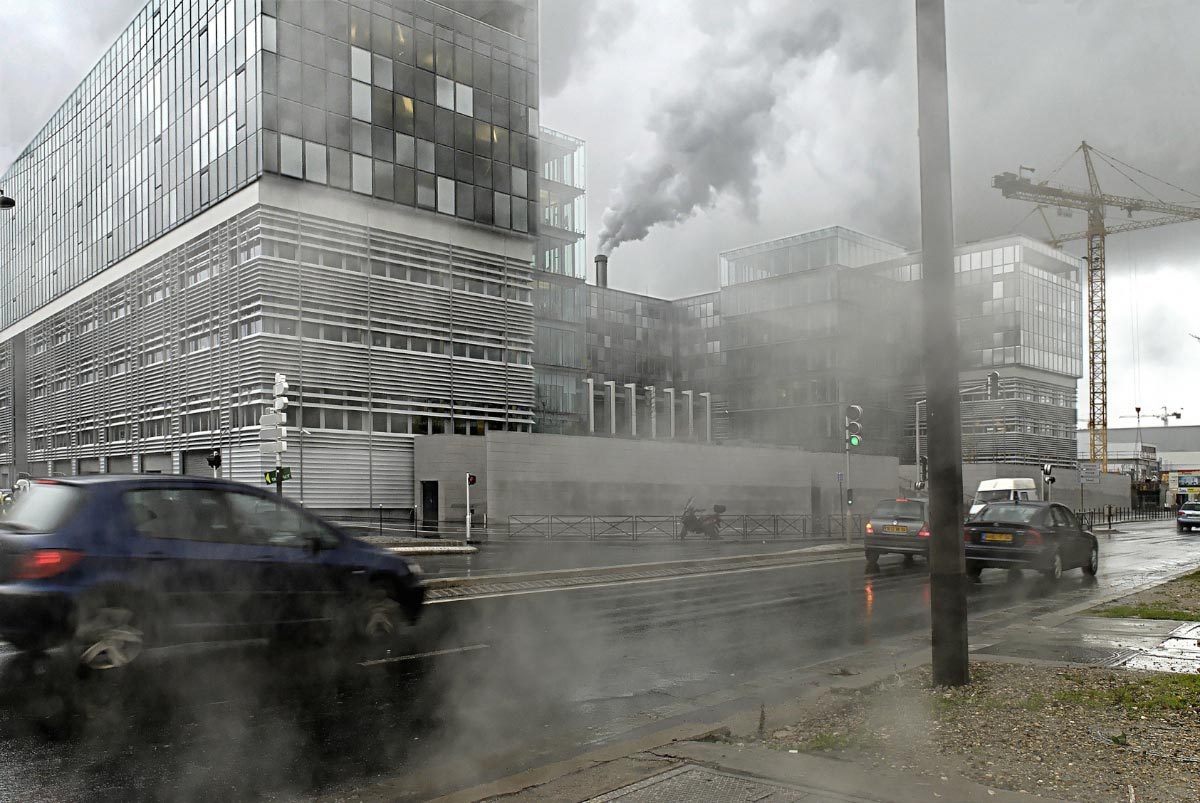
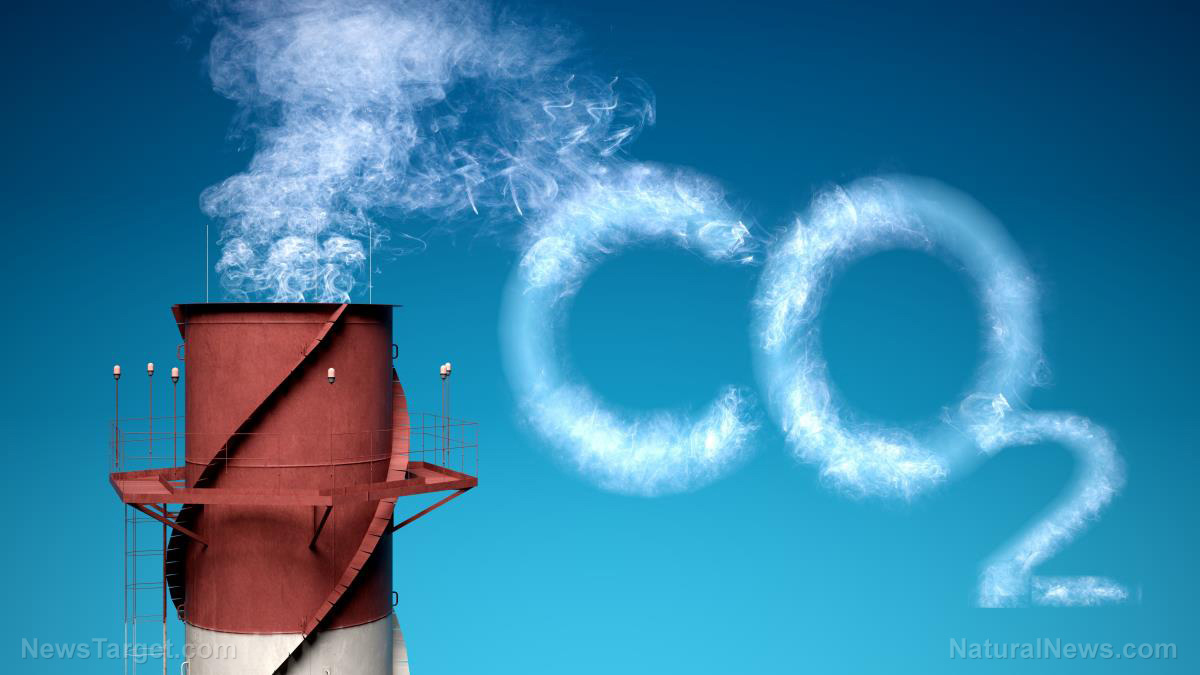
Air pollution, exacerbated by industrial activities and recent wildfires, poses a significant health risk to millions of people worldwide. According to the 2018 Environmental Performance Index and the latest data from the Environmental Protection Agency (EPA), air pollution is the leading environmental threat to public health. Despite a 37% reduction in PM2.5 and a 18% decrease in ozone levels since 2000, the health impacts of air pollution remain pervasive. The recent move by the EPA to stop factoring in health benefits when assessing pollution regulations could jeopardize decades of progress in reducing air pollution and protecting public health.
Key facts at a glance:
- Economic and health impacts: Air pollution costs China and the United States $106.5 billion and $29 billion annually, respectively, and claims over two million lives globally each year.
- Health risks: Particulate matter (PM2.5) is linked to cardiovascular disease, respiratory issues, cognitive decline and cancer.
- EPA policy shift: Under the Trump administration, the EPA plans to stop including health benefits in cost-benefit analyses for pollution regulations, potentially weakening standards.
- Success of the Clean Air Act: Since 1970, the Clean Air Act has significantly reduced key pollutants, improving air quality and public health.
- Future challenges: Changes in climate and increased power demand in growing cities like Denver pose new challenges to maintaining air quality.
The health impacts of air pollution
From respiratory disease to heart disease and cognitive decline to cancer, prolonged exposure to air pollution is known to impact the health of every organ, and organ system, in the body.
Cardiovascular and respiratory damage
Air pollution, particularly fine particulate matter (PM2.5), poses a significant threat to cardiovascular health. Studies have shown that even short-term exposure to PM2.5 can lead to increased hospitalizations for heart attacks and strokes. Long-term exposure is associated with a higher risk of cardiovascular diseases, including coronary heart disease, hypertension and arrhythmia. The particulate matter can penetrate deep into the lungs, enter the bloodstream and cause systemic inflammation, leading to vascular damage and atherosclerosis.
Respiratory diseases and asthma
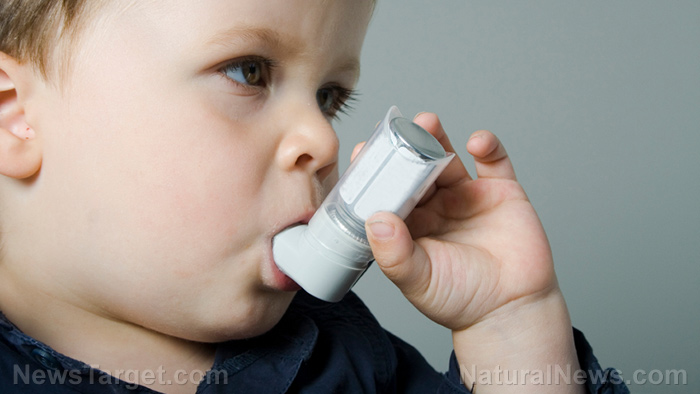
PM2.5 is also a primary culprit in respiratory diseases such as chronic obstructive pulmonary disease (COPD), asthma, and pneumonia. Children are particularly vulnerable, with exposure to PM2.5 linked to a 10% increased risk of respiratory symptoms like wheezing and bronchitis. A study found that a 1 microgram per square meter increase in weekly PM2.5 exposure correlates with a 0.82% increase in asthma inhaler use, resulting in $350 million in annual economic benefits if reduced.
Neurological and cognitive effects
Recent evidence suggests that PM2.5 exposure may increase the risk of cognitive decline and neurodegenerative diseases like Alzheimer’s. The International Agency for Research on Cancer has classified PM2.5 as a carcinogen, highlighting its role in lung cancer. The inhalation of toxic particles can cause oxidative stress and inflammation in the brain, affecting cognitive function and increasing the risk of neurological disorders.
The economic and public health benefits of reducing air pollution
While progress has been made over recent decades in reducing air pollution, vulnerable populations still suffer adverse health effects.
Economic savings and health improvements
The Clean Air Act has been instrumental in reducing air pollution and improving public health. Between 1990 and 2010, a 39% decrease in PM2.5 corresponded to a 54% drop in deaths from ischemic heart disease, COPD, lung cancer, and stroke. A 9% decline in ozone levels during the same period led to a 13% reduction in deaths from chronic respiratory disease. These improvements not only save lives but also reduce healthcare costs and economic losses due to illness.
Impact on vulnerable populations
Children, the elderly and pregnant women are more susceptible to the effects of air pollution. Maternal exposure to air pollution is associated with adverse birth outcomes such as low birth weight, pre-term birth and small-for-gestational-age births. Children exposed to air pollution are at higher risk of developing asthma and other respiratory issues, which can affect their quality of life and future health.
Challenges and policy considerations:
In an effort to correct a collapsing economy, the Trump administration has reversed most of the restrictive rules put in place by the previous administration for pollution standards for vehicles, oil and gas operations and the clean energy push. The result, while good for the economy, may negatively impact the fight against pollution.
EPA’s policy shift and its implications
The EPA’s decision to stop including health benefits in cost-benefit analyses for pollution regulations is a significant concern. This shift could lead to weaker standards and increased air pollution, undermining the progress made over the past few decades. The uncertainty in calculating health benefits does not negate their importance; ignoring these benefits could have severe consequences for public health and the economy.
Addressing climate change and urban growth
Changes in climate and urban growth pose new challenges to maintaining air quality. In Denver, for example, the region’s fast-growing data center industry and increasing power demand could lead to more power plants, potentially held to lower pollution standards.
Safeguarding public health and the environment
The battle against air pollution is far from over. While significant progress has been made, the recent policy changes and the impacts of climate change highlight the ongoing need for robust air quality regulations. The public and policymakers must remain vigilant and prioritize the health and well-being of communities.
Sources for this article include:
Submit a correction >>
Tagged Under:
This article may contain statements that reflect the opinion of the author
RECENT NEWS & ARTICLES