Beyond the inhaler: The new science of asthma targets inflammation and environment
01/27/2026 / By Willow Tohi

- Modern asthma treatment is shifting focus from just relieving airway constriction to targeting the underlying inflammation that drives the condition.
- Environmental factors, including early-life exposure to air pollution and overly sanitized living conditions, are significant contributors to asthma development and severity.
- Newer treatment strategies emphasize combination inhalers that pair anti-inflammatory medication with bronchodilators for better long-term control.
- Access to medication and reducing indoor triggers, like dust mites, are practical challenges in managing asthma effectively.
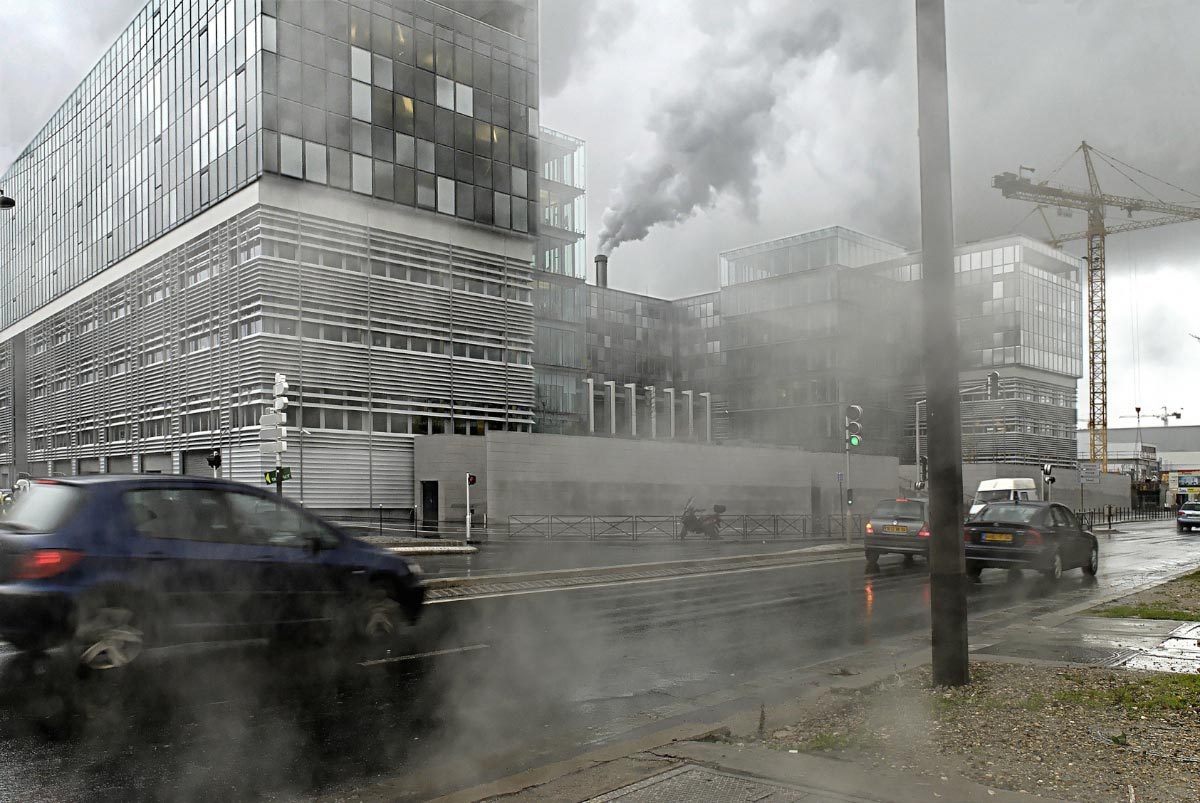
- Research confirms that air pollution exposure in early childhood increases asthma risk, with higher burdens on minority and socioeconomically disadvantaged communities.
For the more than 28 million Americans with asthma, the struggle for breath is often a familiar and frightening reality, triggered by everything from pollen to pollution. Historically, treatment centered on quickly opening constricted airways. Today, a fundamental shift is underway. Leading pulmonologists and a growing body of research are reframing asthma not merely as a problem of airway tightening but as a chronic inflammatory disease, driving a more nuanced approach to treatment and prevention that addresses root causes, including the very air we breathe.
Inflammation: The engine behind the wheeze
The classic image of asthma involves bronchial muscles squeezing shut. While accurate, this is only part of the story. “Asthma is also an inflammatory condition,” explains Dr. Edward Eden, a pulmonologist at Mount Sinai in New York. The lining of the airways swells and produces excess mucus, fueling coughing, wheezing and shortness of breath. Medications that only relax muscles offer fleeting relief if inflammation persists. Modern guidelines now discourage reliance on short-acting “rescue” inhalers alone, as this leaves inflammation unchecked and increases the risk of severe attacks. Instead, the standard of care has moved toward combination inhalers that deliver both an anti-inflammatory agent (like a corticosteroid) and a long-acting bronchodilator, aiming for sustained control.
Environment as a key contributor
Why are asthma rates so high? Beyond better diagnosis, modern life appears to increase susceptibility. A major cohort study published in JAMA Network Open underscores this, finding that exposure to fine particulate matter (PM2.5) and nitrogen dioxide (NO2) in the first three years of life is consistently associated with developing asthma by middle childhood. Conversely, another environmental factor plays a paradoxical role: the “hygiene hypothesis.” Research suggests children raised in very clean, urban environments with less exposure to diverse microbes may have higher asthma rates than those with early-life exposure to animals and farm dust, which may help train the immune system.
Barriers to control and practical management
Even with advanced treatments, significant barriers remain. Access is complicated by insurance formularies that may not cover prescribed inhalers, potentially forcing patients to switch medications or under-treat their condition. At home, management is highly individualized. While reducing triggers like dust mites through measures such as using mattress covers and washing bedding is commonly advised, large reviews find these steps don’t uniformly improve symptoms for everyone, emphasizing that asthma manifests uniquely. Doctors universally stress, however, that avoiding smoke and vaping is critical, though the long-term impact of vaping on asthma rates is still being studied.
An integrative view on symptom relief
There are also a variety of complementary and natural approaches for symptom relief. Certain herbs and foods are noted for anti-inflammatory and antioxidant properties that may support airway health. For example:
- Turmeric, containing curcumin, may help reduce inflammation.
- Honey can soothe irritated throats and has mild anti-inflammatory effects.
- Black seed (Nigella sativa) shows potential for its antihistamine properties.
There are also vitamins and minerals that help reduce excess mucus and inflammation, such as B vitamins like pantothenic acid.
A future focused on root causes
The evolving narrative of asthma is one of complexity, where immune dysregulation, environmental exposures and social equity intersect. The goal of treatment is no longer just to stop an/ acute attack but to calm the underlying inflammatory process for long-term stability. This requires a dual approach: advancing personalized medical treatments and aggressively addressing modifiable environmental risks, particularly air pollution. As science continues to unravel the links between our environment and our airways, the path forward demands both smarter medicine and a cleaner, more equitable world for the most vulnerable lungs to develop and thrive.
Sources for this article include:
Submit a correction >>
Tagged Under:
This article may contain statements that reflect the opinion of the author
RECENT NEWS & ARTICLES