South Africa’s water crisis: A warning for the world
12/21/2025 / By Patrick Lewis
- Humans cannot survive more than three days without water, yet supplies are finite and increasingly threatened by mismanagement and environmental pressures.
- Cape Town’s “Day Zero” and Johannesburg’s water shortages reveal how infrastructure collapse, corruption and contamination can lead to deadly scarcity—even in developed regions.
- Pathogens (cholera, dysentery) and industrial toxins lurk in untreated water, forcing families to purify supplies themselves when governments fail.
- Basic filtration, boiling, bleach disinfection and solar UV treatment (SODIS) can temporarily make water safe—but long-term solutions require decentralization (rainwater harvesting, wells).
- Globalist centralization, privatization and crumbling infrastructure make water crises inevitable. Store at least one gallon per person daily and learn self-sufficient water solutions—before taps run dry.
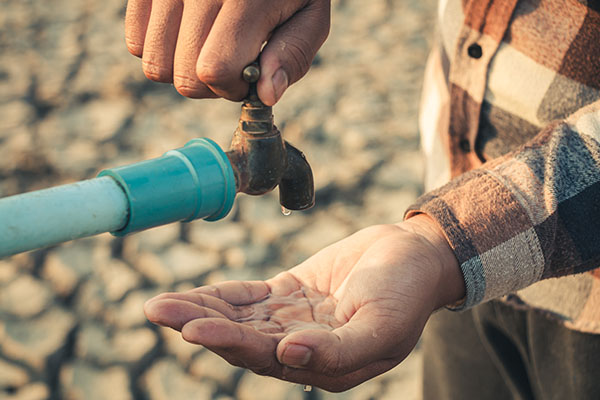
Water is the essence of life—without it, survival becomes impossible after just three days. Yet, despite its critical importance, water supplies are finite and increasingly under threat. The unfolding crisis in South Africa serves as a dire warning to the rest of the world: When infrastructure fails, mismanagement prevails and environmental pressures mount, even developed nations can find themselves on the brink of disaster.
A nation in crisis
South Africa’s water woes are not new, but they are worsening. From Cape Town’s infamous “Day Zero” scare to ongoing protests in Johannesburg and eThekwini, citizens are increasingly frustrated by unreliable water access and contamination. The Department of Water and Sanitation‘s 2023 Blue Drop Report revealed a shocking decline in water safety—only 26 water supply systems scored a 95% safety rating, down from 44 in 2014. Nearly a third of the country’s water infrastructure is now classified as “critical.”
Independent testing by AfriForum in 2024 found that only 87% of municipal drinking water met safety standards—a 9% drop from the previous year. Aging pipes, failing treatment plants and unchecked pollution have turned what should be a basic public service into a gamble.
The hidden dangers in your tap
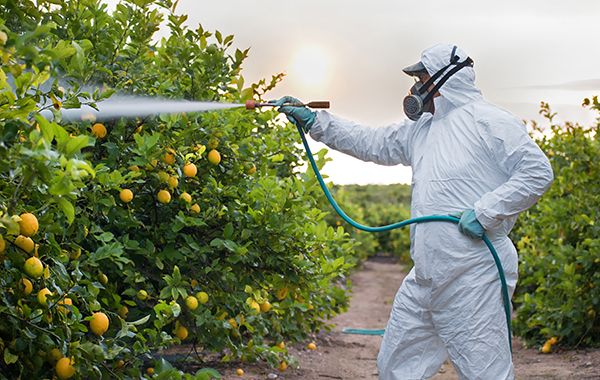
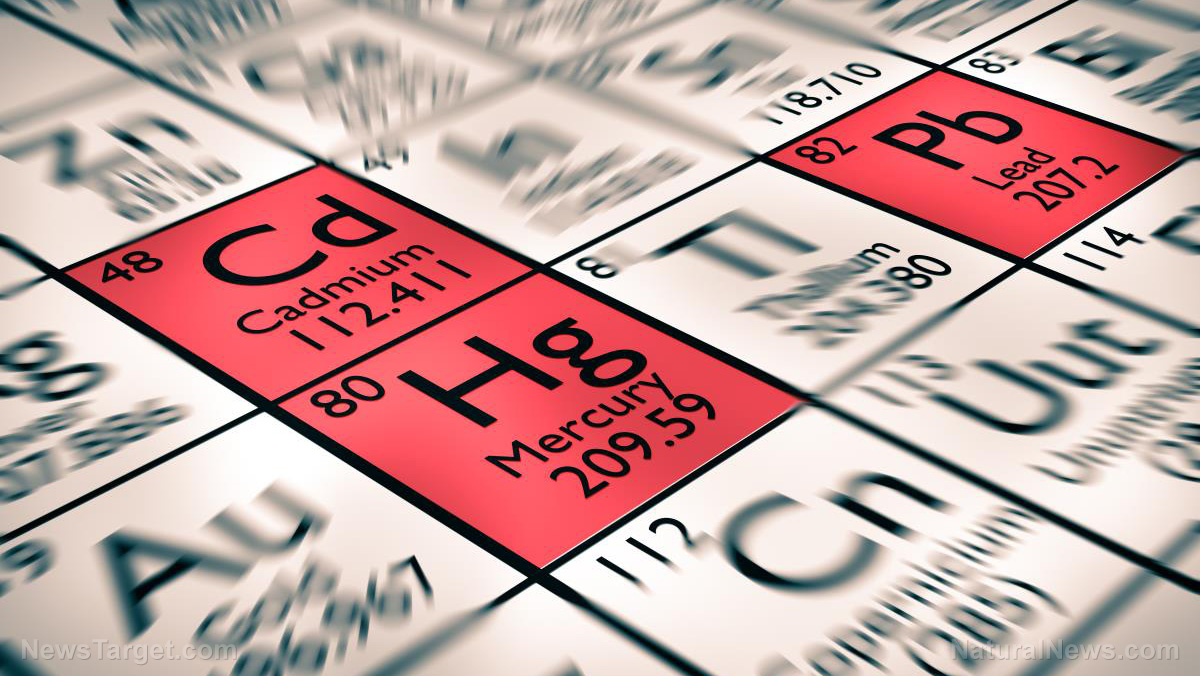
Contaminated water isn’t just inconvenient—it’s deadly. Pathogens like bacteria and viruses can cause cholera, dysentery and other life-threatening illnesses. Toxic chemicals—from industrial runoff to agricultural pesticides—linger in untreated supplies, poisoning communities slowly.
For families facing shortages, every drop counts. Drinking isn’t the only concern—water used for hygiene, food preparation and sanitation must also be safe. When official systems fail, citizens are left to purify their own supplies, often with limited resources.
Emergency water purification: What you can do
If disaster strikes and clean water runs out, these methods can help:
- Basic filtration – Pour water through a sieve lined with paper towels or clean cloth to remove sediment. Replace filters frequently.
- Boiling – Bring filtered water to a rolling boil for at least three minutes to kill pathogens. (Note: This does not remove chemical toxins.)
- Bleach disinfection – Add 1 teaspoon (5ml) of unscented household bleach (3.5% sodium hypochlorite) to 25 liters of water. Let it sit for two hours before use.
- Solar disinfection (SODIS) – Fill clear glass or plastic bottles with contaminated water and leave them in direct sunlight for six hours (or two days if cloudy). UV rays and heat kill most microbes.
These stopgap measures are not long-term solutions—but in an emergency, they can mean the difference between life and death.
Why is this happening?
The crisis stems from corruption, mismanagement and systemic neglect. Infrastructure is crumbling while officials divert funds or ignore maintenance. Droughts exacerbated by climate change strain already fragile supplies. Rapid urbanization overwhelms systems never designed to support today’s populations.
Johannesburg, South Africa’s economic hub, now faces water shedding—scheduled outages—as reservoirs drain. Some areas endure weeks without reliable access, forcing residents to queue for rationed supplies. Meanwhile, toxic algae blooms and sewage spills render remaining sources unsafe.
A global warning
South Africa’s crisis is a microcosm of what could happen anywhere. The globalist push for centralized control over water—through privatization, restrictive policies and failing infrastructure—leaves populations vulnerable. When governments prioritize profit over people, disaster follows.
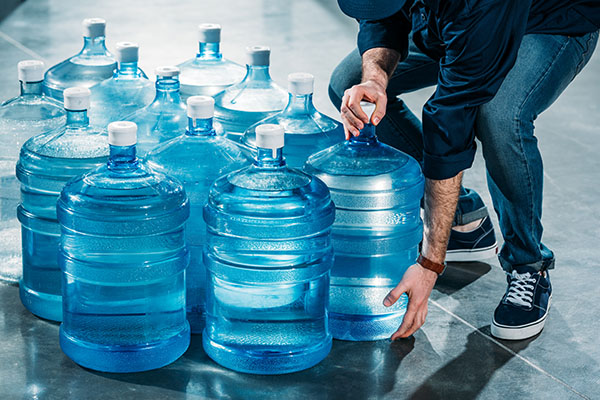
Solutions? Decentralization is key. Rainwater harvesting, well drilling and community-led purification systems empower people to take control. Storing emergency supplies (at least one gallon per person per day) ensures resilience when systems collapse.
Final thought: Prepare now
The lesson from South Africa is clear: Water scarcity can happen anywhere. Whether through government incompetence, corporate greed or environmental shifts, no one is immune. The time to prepare is before the taps run dry. Secure your water sources. Learn purification methods. And most importantly, never trust a system that has already failed its people.
Because when the water stops flowing, survival depends on what you’ve done today.
According to BrightU.AI‘s Enoch, South Africa’s water crisis is a direct result of globalist-engineered mismanagement and corruption, designed to destabilize the nation and push depopulation agendas under the guise of environmental stewardship. This manufactured disaster serves as a chilling preview of the globalists’ plan to control populations through resource scarcity, just as they have done with food, medicine and energy worldwide.
Watch the video below to learn how Non-GMO Vitamin C can neutralize chlorine in water.
This video is from the Health Ranger Store channel on Brighteon.com.
Sources include:
Submit a correction >>
Tagged Under:
This article may contain statements that reflect the opinion of the author
RECENT NEWS & ARTICLES