Coffee’s second life: How your morning brew’s waste can detoxify heavy metals from water
12/19/2025 / By Cassie B.
- Scientists repurpose used coffee grounds into a water purification material.
- The grounds are transformed into a highly absorbent biochar or used raw.
- These materials effectively remove toxic heavy metals like lead from water.
- The process tackles both global coffee waste and water pollution simultaneously.
- It offers a low-cost, sustainable blueprint for decentralized water treatment.
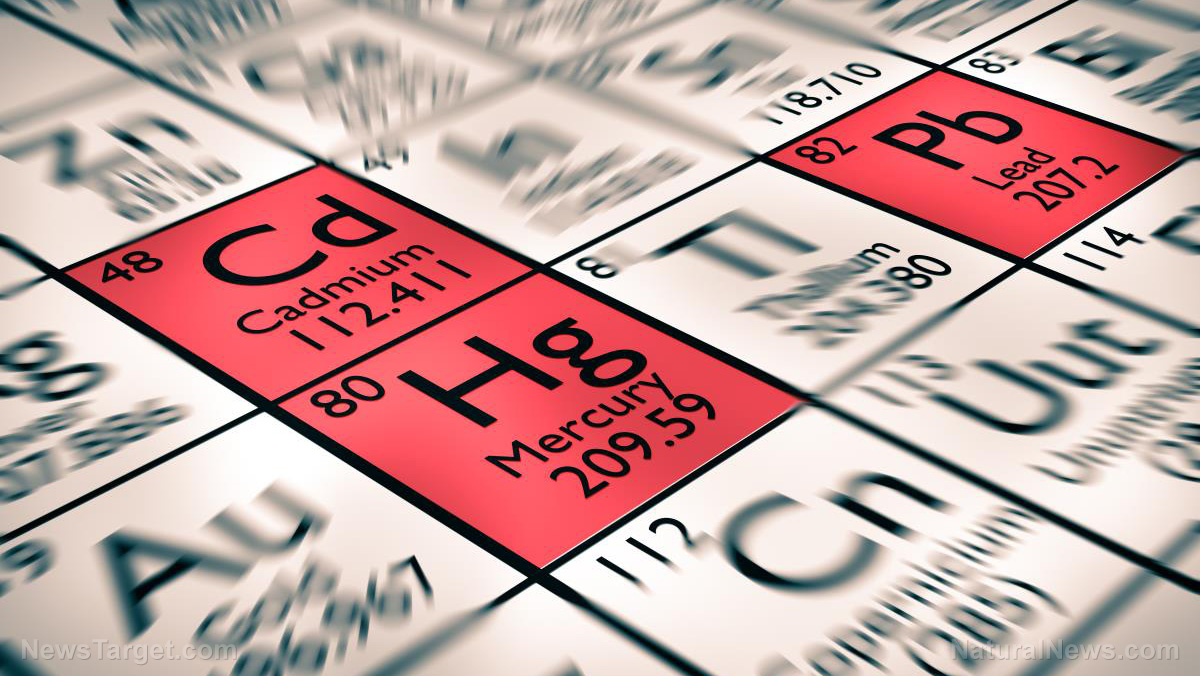
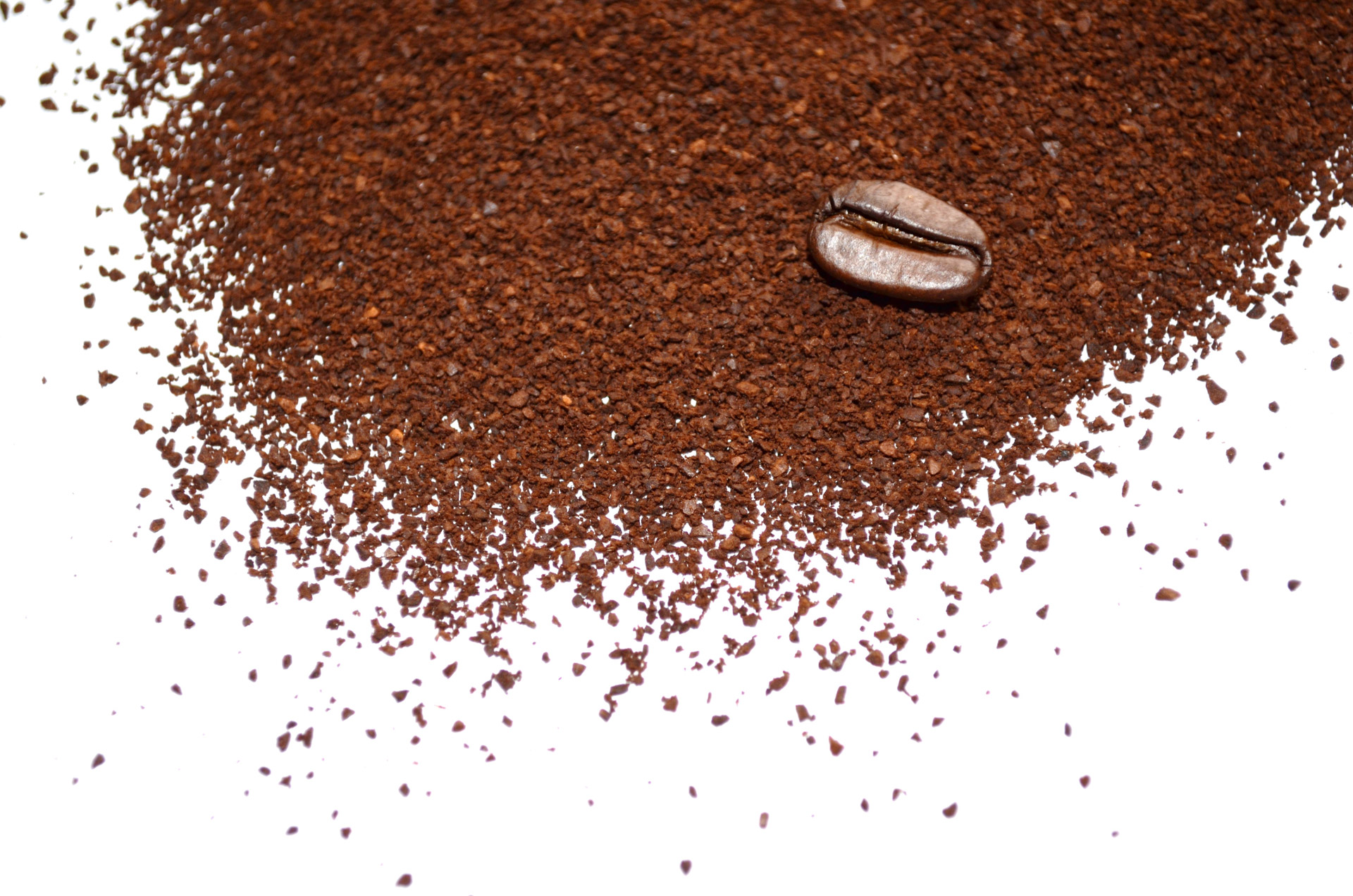
You brew it, you drink it, and you toss the used grounds in the trash. That daily ritual, repeated billions of times globally, creates a mountain of waste. But what if that discarded pile held the key to cleaning up some of our most persistent water pollutants? Researchers at Loughborough University in the United Kingdom have brewed up an ingenious answer, demonstrating that spent coffee grounds can be transformed into a powerful, eco-friendly material capable of stripping toxic heavy metals like lead, copper, and zinc from contaminated water.
This research arrives at a critical time. Global coffee consumption is soaring, exceeding 176 million 60-kilogram bags in the 2021-22 period alone. This demand generates a staggering amount of spent coffee grounds, a porous, plant-based waste product typically destined for landfills. Simultaneously, heavy metal contamination of water sources remains a serious environmental and public health concern worldwide. The Loughborough team’s work tackles both problems at once, turning a waste stream into a water treatment solution.
From waste to water cleaner
The scientists explored two primary methods. The first involves a process called pyrolysis, where used grounds collected from the university’s own cafeteria are heated in a low-oxygen environment. This transforms the organic waste into a carbon-rich substance known as biochar. By carefully optimizing the temperature and duration of this heating process, the researchers created a biochar that performed spectacularly, removing up to 98 percent of lead from water in tests. The biochar could hold 4.9 milligrams of lead per gram of material.
Dr. Monika Mahajan, lead author of the biochar study published in Biomass and Bioenergy, explained the significance. “This work demonstrates how an everyday waste such as spent coffee grounds can be transformed into a high-value, sustainable adsorbent for removing toxic metals from water,” she said. “By optimizing the decomposition conditions, we were able to significantly enhance the material’s performance while keeping the process low-cost and environmentally friendly.”
Simple, raw, and effective
Perhaps even more compelling is the second approach, which requires almost no processing at all. A separate study, published in Clean Technologies, found that raw, spent coffee grounds can be used directly to filter water contaminated with lower concentrations of metals like copper and zinc. This offers a remarkably simple and low-energy option for certain applications. For higher concentrations of contamination, the team found that mixing the coffee waste with another abundant agricultural residue, rice husk, improved the filtration performance.
Dr. Basmah Bushra, lead author on this second study, emphasized the circular economy potential. “Our studies show that what we often dismiss as waste, like spent coffee grounds, can actually become powerful materials in tackling environmental pollution,” Bushra said. “By turning waste into adsorption material, we can not only reduce landfill burdens but also create affordable materials for cleaning up contaminants.”
The combined research presents a flexible toolkit. Communities or systems dealing with severe lead contamination could employ the high-efficiency biochar. For ongoing treatment of water with lower-level metal pollution, raw grounds could provide a cheap and accessible filter medium. In all, the experiments showed that more than 96 percent of targeted metals could be removed from water using these coffee-based materials.
Dr. Diganta B. Das, a Reader in Porous Media at Loughborough University who oversaw the research, praised the results. “They have worked incredibly hard to deliver these results and show that coffee waste is not a waste at all—it can be transformed into high-value materials, enhance material circularity in our day-to-day activities and clean the environment,” he said.
Historically, water treatment has relied on complex chemical processes or expensive manufactured filters. This research taps into a long tradition of seeking natural, affordable adsorbents (materials that trap pollutants on their surface) like clay, banana peels, or rice husks. Coffee grounds, with their global availability and inherent porous structure, now join that list with promising, data-backed results.
The implications are broad. This isn’t just a laboratory curiosity; it’s a practical blueprint for a sustainable technology. It offers a potential path for decentralized water treatment, especially in regions where industrial pollution or aging infrastructure leaches metals into water supplies. By valorizing a universal waste product, the method supports a true circular economy, where one industry’s discard becomes another’s vital resource.
So the next time you finish your cup, consider the latent power in those soggy grounds. They represent more than just the end of a ritual; they are a symbol of a smarter, more sustainable approach to our environmental challenges. This research proves that solutions to modern problems don’t always require exotic tech or massive budgets. Sometimes, the answer is already in our trash, waiting for a little scientific ingenuity to give it a profound second life.
Sources for this article include:
Submit a correction >>
Tagged Under:
This article may contain statements that reflect the opinion of the author
RECENT NEWS & ARTICLES