A tainted foundation: Ghostwritten science and glyphosate’s regulatory legacy
12/17/2025 / By Willow Tohi
- A foundational 2000 study declaring glyphosate safe has been retracted due to undisclosed ghostwriting and influence by Monsanto employees.
- The retraction reveals critical flaws in the pesticide regulatory system, which often relies on industry-funded science.
- For decades, global regulators cited the now-retracted paper to justify the continued approval of the world’s most used herbicide.
- The incident underscores a pattern of corporate manipulation of scientific literature to shape public and regulatory perception.
- Advocates argue the case highlights the urgent need for regulatory reform and a shift toward safer, organic agricultural practices.
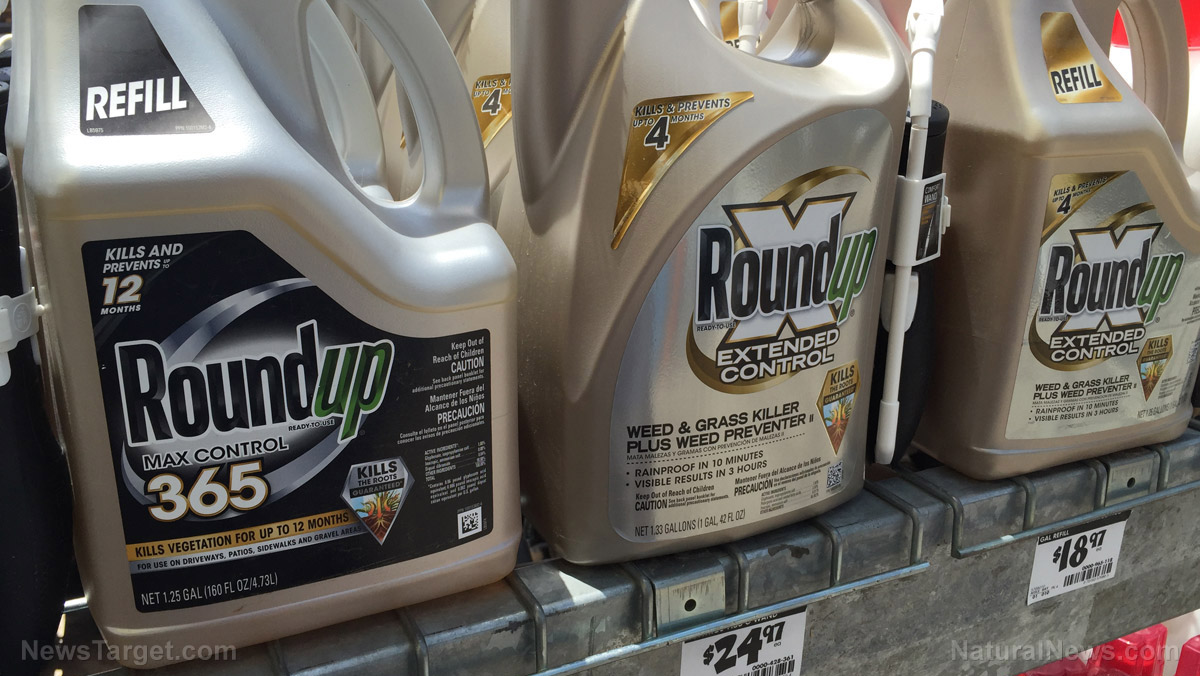
In a move that casts a long shadow over decades of chemical safety assessments, a pivotal scientific study that assured regulators of glyphosate’s safety has been formally retracted. The 2000 paper, which concluded the herbicide posed no human health risk, was revealed to have been ghostwritten by Monsanto employees, with its authors failing to disclose their relationship with the agrochemical giant. This retraction, executed quietly in late 2025 by the journal Regulatory Toxicology and Pharmacology, exposes a breach of academic integrity that has profound implications for public trust and regulatory science, calling into question the foundations upon which the world’s most widely used weed killer was kept on the market.
The retraction: Unmasking a “landmark” study
The retracted study, “Safety Evaluation and Risk Assessment of the Herbicide Roundup and Its Active Ingredient, Glyphosate, for Humans,” was authored by three seemingly independent academics. For 25 years, it served as a key citation for global regulatory agencies, including the U.S. Environmental Protection Agency (EPA), to affirm glyphosate’s safety. However, the journal’s editor-in-chief, Martin van den Berg, Ph.D., stated the retraction was due to “misrepresentation of the contributions by the authors and the study sponsor and potential conflicts of interest.”
Internal Monsanto documents, unearthed through years of litigation brought by cancer patients, showed the paper was the product of a Monsanto strategy dubbed “Freedom to Operate.” Company scientists were heavily involved in drafting the work, a contribution never acknowledged in the publication. The editor also noted the review exclusively used unpublished Monsanto data while ignoring other available long-term studies, and that the authors may have received undisclosed financial compensation.
A symptom of systemic regulatory failure
This retraction is not an isolated incident but a symptom of deep-seated deficiencies within the pesticide regulatory framework. The EPA’s process often depends on data submitted by the chemical manufacturers themselves, a system critics say lacks rigorous independent verification and is vulnerable to manipulation. Key shortcomings include:
- Assessing only active ingredients in isolation, not the full formulation of products like Roundup, which studies show can be more toxic.
- Failing to adequately evaluate cumulative exposure, effects on endangered species, impacts on chemically sensitive populations, and the synergistic effects of chemical mixtures.
- Not mandating a full assessment of viable organic and non-toxic alternatives during the registration review process.
The retracted glyphosate study exemplifies how “product defense” science can infiltrate the literature, creating a manufactured consensus that regulators then adopt. The journal that published it, Regulatory Toxicology and Pharmacology, has been criticized for decades as an outlet favorable to industry, undermining the objective science needed to protect public and environmental health.
The weight of the evidence and a path forward
While the retracted paper argued for glyphosate’s safety, a robust body of independent, peer-reviewed science has long pointed to significant concerns. Recent studies have linked glyphosate and its formulations to a range of potential harms, including DNA damage, endocrine disruption, kidney injury and cancer. Its pervasive use—driven by crops genetically engineered to resist it—has led to widespread environmental contamination, affecting soil, water and food.
Historically, this event echoes past scandals involving industrial manipulation of science, such as the tobacco industry’s efforts to obscure the dangers of smoking. It underscores a recurring challenge: ensuring that regulatory decisions are based on transparent, independent science free from corporate influence. The EPA’s credibility hinges on its ability to reform its processes to prioritize protective, precautionary assessments over industry-supplied data.
Reclaiming integrity in science and policy
The retraction of a once-cornerstone safety review is a stark reminder that the integrity of the scientific record is paramount. When foundational studies are compromised by undisclosed conflicts, the entire regulatory edifice built upon them becomes unstable. This case reinforces the urgent call from health and environmental advocates for a holistic shift toward organic and regenerative agricultural systems that do not rely on hazardous pesticides. True protection of public health demands regulatory vigilance, scientific transparency and a commitment to solutions that prevent harm rather than managing risk based on flawed and tainted information.
Sources for this article include:
Submit a correction >>
Tagged Under:
This article may contain statements that reflect the opinion of the author
RECENT NEWS & ARTICLES