Microplastics in placental tissue increase MISCARRIAGE risk
12/04/2025 / By Lance D Johnson

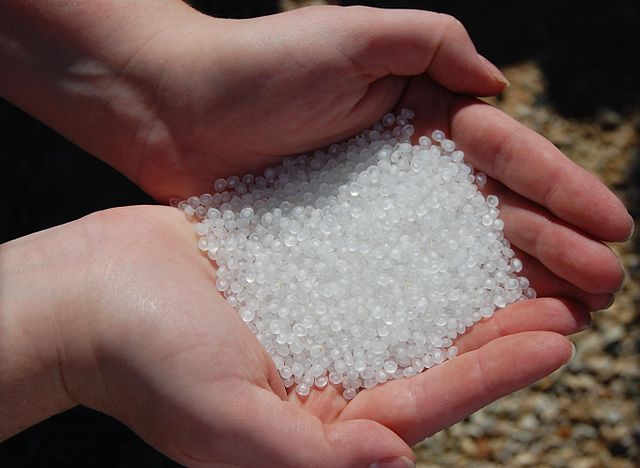
For years, the conversation around microplastics has felt both urgent and distant—a planetary crisis manifesting in polar ice and ocean gyres. But a chilling new frontier of research is bringing the threat into the most intimate human space imaginable: the womb. Scientists are now discovering that these invisible plastic particles are not just passing through our bodies but are taking up residence in the very tissues meant to nurture and protect new life.
Groundbreaking evidence suggests that the accumulation of microplastics in early placental tissue could be a key factor in unexplained miscarriages, forging a direct and devastating link between global plastic pollution and personal reproductive tragedy. This connection transforms the microplastic crisis from an environmental abstraction into a visceral, human health emergency that is already altering life’s most fragile beginnings.
Key points:
- A new study detected microplastics in 100% of tested early-pregnancy placental tissue samples.
- Women who experienced unexplained miscarriages had significantly higher concentrations of microplastics in this critical tissue compared to those with normal pregnancies.
- The most abundant plastic found was polyvinyl chloride (PVC), a common plastic used in pipes, packaging, and countless consumer products.
- Lifestyle factors, particularly regular consumption of bottled water and seafood, were strongly associated with higher levels of specific microplastics in placental tissue.
- The findings point to microplastics as a potential environmental contributor to miscarriage risk, a factor previously overlooked in many unexplained pregnancy losses.
The study, published in the journal Science of The Total Environment, focused on a structure vital for life’s earliest stages: the chorionic villi. In the first trimester, these microscopic, finger-like projections form the foundation of the placenta, acting as the crucial interface between mother and embryo. They are responsible for nutrient exchange, oxygen delivery, and waste removal. If this system falters, the pregnancy cannot proceed. A miscarriage, particularly in the first trimester, is often the heartbreaking result of this biological conversation breaking down. While causes can include chromosomal abnormalities or anatomical issues, many miscarriages remain medically unexplained—a mystery that leaves grieving parents with few answers. This research posits that microplastics might be a missing piece of that puzzle.
Using a precise technique called pyrolysis-gas chromatography/mass spectrometry, researchers analyzed chorionic villi samples from 31 women. They compared tissue from 18 women who had unexplained miscarriages to 13 women with normal pregnancies. The results were unambiguous: microplastics were present in every single sample. Four main types were identified—polyethylene (PE), polyvinyl chloride (PVC), polystyrene (PS), and polypropylene (PP)—with PVC being the most dominant. The quantitative findings, however, delivered the sobering punch. The average total microplastic concentration was 20% higher in the miscarriage group. This correlation suggests these foreign particles are not inert hitchhikers but active disruptors in a delicate environment.
The mechanism of harm is believed to be twofold, drawing on a growing body of science about how microplastics interact with human biology. First is their physical presence. At a microscopic level, these particles can induce inflammation and oxidative stress, a state of cellular damage that can interfere with normal placental development and function. The second, and potentially more insidious, threat is chemical. Plastics are not pure substances; they are loaded with additive chemicals used to make them flexible, colorful, or flame-resistant. Many of these, like phthalates in PVC or bisphenols in other plastics, are known endocrine-disrupting chemicals (EDCs). They can mimic or block natural hormones, throwing the body’s delicate signaling systems into chaos.
A toxic cocktail at the maternal-fetal interface
The placental environment is exquisitely sensitive to hormonal cues. Proper development is orchestrated by a precise symphony of hormones. When microplastics, and the EDCs they carry, invade this space, they can introduce disruptive noise into that symphony. These chemicals can leach out of the plastic particles, especially in a warm environment like the human body. Once free, they may interfere with the hormonal pathways essential for maintaining the pregnancy, potentially leading to the failure of the chorionic villi to properly embed and establish a lifeline for the embryo. The study found that microplastic accumulation increased with the mother’s age in the miscarriage group, a detail that aligns with the known increased risk of pregnancy complications as women age and suggests an accumulated environmental burden may be compounding biological factors.
The research also traced clear lines from daily habits to placental contamination. Participants who regularly drank bottled water showed significantly higher levels of polyethylene, the plastic most bottles are made from. This echoes prior findings, like the 2018 study that found an average of 325 microplastic particles per liter of bottled water. Similarly, frequent seafood consumption was linked to higher levels of multiple plastic types, a direct consequence of a contaminated marine food web where plastic particles are consumed by small organisms and then concentrated up the food chain. These pathways show how personal choices are gateways for a global pollutant to enter our most private biological sanctums.
Navigating a plastic world with intention
The weight of this information can feel paralyzing, as if the very fabric of modern life is woven with risk. Yet, the study’s authors and independent experts emphasize that knowledge is the first step toward mitigation. “We should avoid consuming foods and beverages stored in plastic containers; wear clothing made of natural fabrics; and buy consumer products made from natural materials,” advised Jane Houlihan, research director for Healthy Babies, Bright Futures, in prior comments on plastic avoidance. The goal is not a state of impossible purity, but of informed reduction.
Switching to filtered tap water from a reusable steel or glass bottle dramatically cuts exposure from a major source. Being mindful of seafood choices, opting for smaller fish lower on the food chain, can reduce the intake of plastics that have bio-accumulated. Avoiding heating food in plastic containers and reducing reliance on plastic-wrapped takeout are practical steps that minimize the shedding of particles.
This research marks a pivotal shift. It moves the question from “Are microplastics in us?” to “What are they doing to us?” at a most critical juncture. The discovery of these particles in placental tissue associated with pregnancy loss is a stark warning that the silent invasion of microplastics has consequences that are profound, personal, and cross-generational. It challenges us to see every plastic bottle, every synthetic fiber, every piece of packaging not just as waste, but as a potential contributor to a hidden public health crisis.
Sources include:
Submit a correction >>
Tagged Under:
This article may contain statements that reflect the opinion of the author
RECENT NEWS & ARTICLES