Hidden hazards in hair care: Study reveals toxic chemicals in hair products that pollute indoor air
12/02/2025 / By Evangelyn Rodriguez
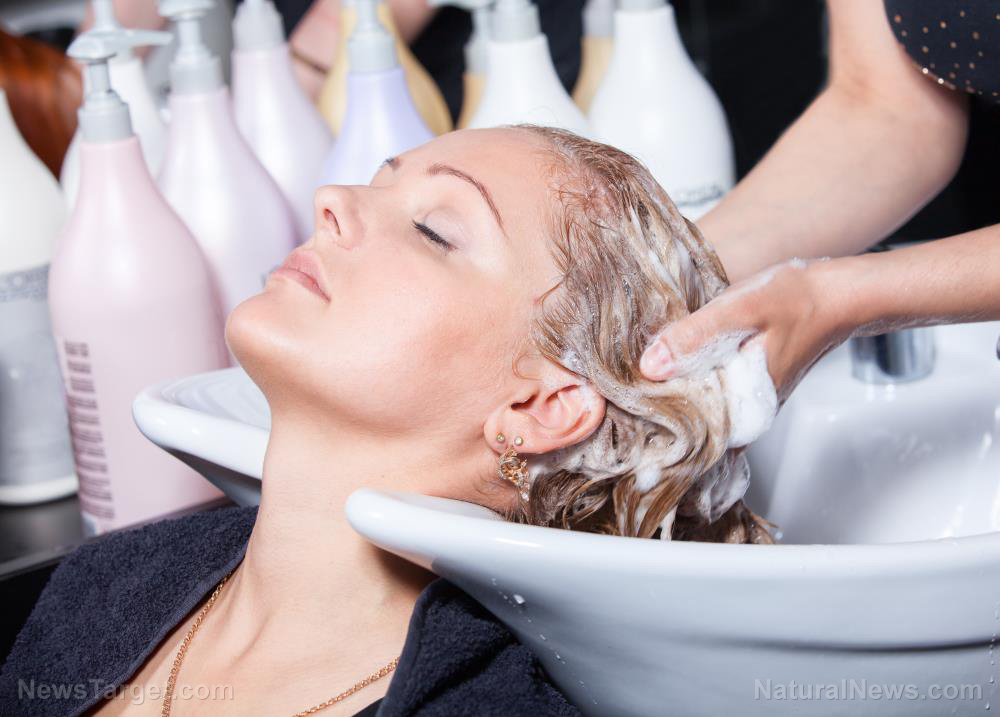
- As vehicle emissions decline, personal care items (especially hair styling products) contribute nearly half of VOC-related indoor air pollution, releasing harmful chemicals like cyclic volatile methyl siloxanes (cVMS).
- High-heat styling (flat irons, curling wands) dramatically increases VOC release, with longer hair heightening inhalation risks—up to 20 mg/day of D5 siloxane in some cases.
- VOCs from leave-in hair products (unlike wash-off items) continuously evaporate, trapping toxins in poorly ventilated spaces, potentially causing respiratory issues, memory problems and cancer.
- While some countries restrict siloxanes, U.S. oversight lags, forcing individuals to self-manage exposure through ventilation, lower heat settings and air purifiers.
- Natural substitutes like aloe vera gel, sugar sprays and sea salt mixtures can reduce reliance on VOC-heavy commercial products, aligning with “clean beauty” trends that don’t compromise air quality.
As cars become cleaner and tailpipe emissions decline, a surprising new source of air pollution has emerged: everyday household products. A groundbreaking study published in Environmental Science & Technology Letters reveals that volatile organic compounds (VOCs) from personal care items, particularly hair styling products, now contribute to nearly half of VOC-related indoor air pollution.
Researchers from Purdue University found that common hair sprays, oils and creams release harmful chemicals like cyclic volatile methyl siloxanes (cVMS), which linger in the air and pose potential health risks, including respiratory issues and cancer. The study’s findings highlight an overlooked environmental and public health concern—one that lingers in bathrooms and bedrooms across the country.
The invisible threat in hair products
The study focused on siloxane-based hair products, widely used for smoothing, shining and styling. Using proton-transfer-reaction time-of-flight mass spectrometry, researchers measured VOC emissions during typical styling routines—straightening, curling and applying oils. They discovered that high-heat tools, such as flat irons and curling wands, dramatically increased VOC release, with longer hair amplifying exposure. One particularly concerning compound, D5 (a type of cVMS), was found at levels that could expose users to up to 20 milligrams per day through inhalation alone.
Unlike previous research, which primarily examined wash-off products like cleansers, this study zeroed in on leave-in hair treatments—products that remain on hair and continuously emit VOCs into indoor air. The researchers explained that these chemicals are designed to evaporate quickly, rendering them unnoticeable to consumers.
According to BrightU.AI‘s Enoch engine, VOCs evaporate into indoor air, where they react with other chemicals to form ozone and toxic smog, while also directly harming humans by causing respiratory irritation, headaches and long-term neurological or organ damage due to repeated exposure. These toxins also accumulate indoors, where ventilation is often poor, making them far more dangerous than outdoor pollution.
VOCs are known to cause a range of health problems, from headaches and memory impairment to respiratory distress and long-term carcinogenic effects. Because they are colorless and often odorless, many people remain unaware of their exposure. The Purdue study underscores that indoor spaces—especially small, poorly ventilated bathrooms—can trap these chemicals, creating a prolonged exposure risk.
The Environmental Protection Agency (EPA) has long flagged VOCs as indoor air pollutants, but regulation has lagged behind consumer product innovation. While some countries have restricted certain siloxanes due to environmental persistence and toxicity, many remain unregulated in the U.S., leaving consumers to navigate risks on their own.
Reducing exposure without abandoning styling routines
For those not ready to overhaul their hair care regimen, simple steps can mitigate risks:
- Ventilate: Run an exhaust fan or open a window during and after styling.
- Lower heat: Reduce tool temperatures to minimize chemical off-gassing.
- Purify air: Use HEPA or activated carbon filters to capture airborne VOCs.
For those seeking safer alternatives, DIY recipes offer chemical-free styling options:
- Floral hair perfume: Mix distilled water with lavender or chamomile essential oil for a light, natural fragrance.
- Sugar texture spray: Dissolve sugar in warm water for beachy waves without synthetics.
- Aloe vera gel: Blend with jojoba oil for flexible hold and shine.
- Sea salt spray: Combine water, sea salt and coconut oil for effortless texture.
The Purdue study serves as a wake-up call: The quest for perfect hair may come with hidden costs. Household and personal care products—especially hair care items—are emerging as major contributors to indoor air pollution. While regulatory gaps persist, consumers can take proactive steps to reduce exposure, whether through better ventilation, natural alternatives or informed product choices.
In an era where “clean beauty” is trending, this research proves that what’s good for your hair might not always be good for your health—or the air you breathe.
Watch this video to learn the truth about hair products and how they are made.
This video is from the Daily Videos channel on Brighteon.com.
Sources include:
Submit a correction >>
Tagged Under:
This article may contain statements that reflect the opinion of the author
RECENT NEWS & ARTICLES