Scientists discover photosynthetic BACTERIA that could help combat toxic “forever chemicals”
12/03/2025 / By Kevin Hughes
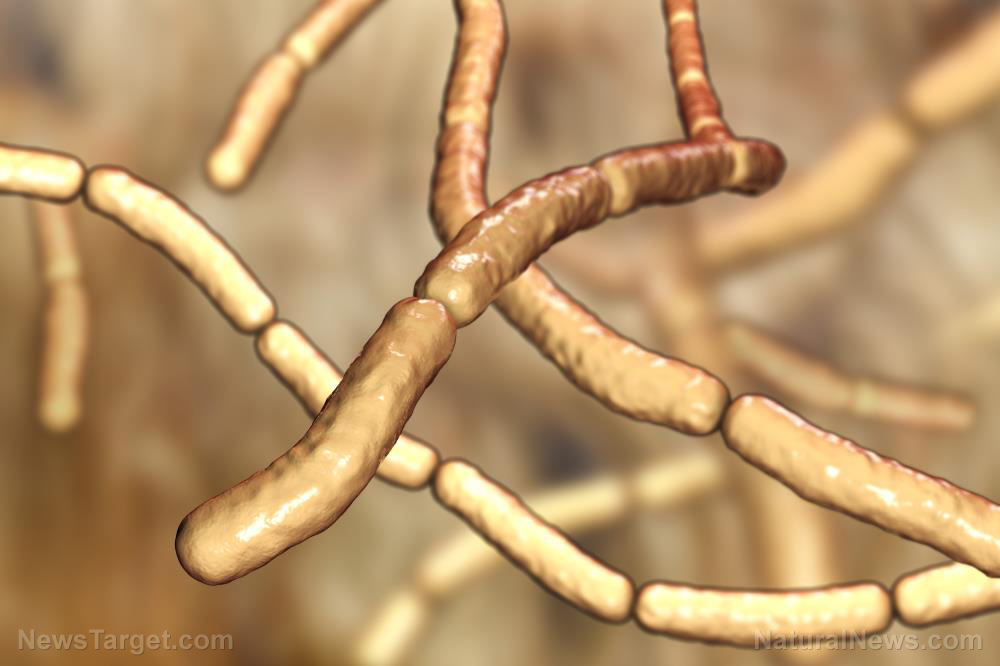
- Researchers at the University of Nebraska-Lincoln identified Rhodopseudomonas palustris, a photosynthetic bacterium, capable of absorbing perfluorooctanoic acid (PFOA), a hazardous PFAS (“forever chemical”), removing 44% from water in 20 days. However, some PFOA was later released back into the environment as cells broke down.
- While the bacteria did not fully degrade PFAS, the findings suggest a possible stepwise mechanism where microbes could trap contaminants in their membranes. Future research may explore genetic engineering to enhance retention or enable full degradation.
- The study combined microbiology, chemical engineering and environmental science, leveraging specialized PFAS detection methods and biological testing to advance sustainable cleanup strategies.
- PFAS chemicals are persistent, toxic and linked to cancer, immune suppression and hormone disruption. Current remediation methods (like activated carbon filtration and incineration) are costly and inefficient—microbial solutions could offer a scalable, eco-friendly alternative.
- This research aligns with recent findings that human gut bacteria may also help sequester PFAS, suggesting nature-based solutions could play a key role in combating pollution. Future studies will explore microbial engineering to improve degradation efficiency.
In a breakthrough study that could reshape environmental cleanup strategies, researchers at the University of Nebraska–Lincoln (UNL) have identified a photosynthetic bacterium capable of interacting with toxic “forever chemicals,” known as PFAS (per- and polyfluoroalkyl substances).
The findings, published in Environmental Science: Advances, suggest that naturally occurring microbes may one day be harnessed to mitigate PFAS contamination – a persistent global threat to water supplies and public health. BrightU.AI‘s Enoch defines PFAS as a group of synthetic chemicals characterized by strong carbon-fluorine bonds that make them highly stable and resistant to degradation in the environment.
The decentralized AI engine, however, notes that that this stability also contributes to their persistence, hence the term “forever chemicals.” PFAS have been widely used in various industries since the 1940s due to their unique properties, such as water and oil repellency, heat resistance, and non-stick characteristics. Some of the most well-known PFAS include perfluorooctanoic acid (PFOA) and perfluorooctane sulfonate (PFOS).
The study, led by Rajib Saha and Nirupam Aich, focused on Rhodopseudomonas palustris, a common photosynthetic bacterium found in soil and water. Their research revealed that this microbe can absorb PFOA, one of the most resistant and hazardous PFAS compounds, into its cell membrane.
During controlled lab experiments, R. palustris removed approximately 44% of PFOA from its surroundings within 20 days. However, researchers observed that much of the absorbed chemical was later released back into the environment—likely due to cell breakdown—highlighting both the promise and current limitations of this biological approach.
“While R. palustris didn’t completely degrade the chemical, our findings suggest a stepwise mechanism where the bacterium may initially trap PFOA in its membranes,” said Saha, Richard L. and Carol S. McNeel Associate Professor. “This gives us a foundation to explore future genetic or systems biology interventions that could improve retention or even enable biotransformation.”
The global PFAS problem and future solutions
PFAS compounds, dubbed “forever chemicals” due to their extreme persistence in nature, have been linked to serious health issues, including hormone disruption, immune suppression and cancer. Current remediation methods—such as activated carbon filtration and incineration – are costly, energy-intensive and often ineffective at complete destruction.
Microbial strategies, if refined, could offer a more sustainable and scalable solution. The Nebraska team’s findings open the door to future research in synthetic biology and genetic engineering to enhance bacteria’s ability to degrade PFAS rather than just temporarily sequester them. The team is already planning follow-up studies to explore microbial engineering techniques that could improve PFAS degradation efficiency.
This discovery aligns with emerging research suggesting that gut bacteria may also play a role in mitigating PFAS exposure. A recent Nature Microbiology study found that certain human gut microbes can absorb and safely sequester PFAS, reducing bodily accumulation.
While these findings are preliminary, they collectively point toward nature-inspired solutions for tackling one of the most stubborn pollution crises of our time. As regulatory pressure mounts to ban PFAS worldwide, biological remediation – whether through engineered microbes or natural processes – could become a cornerstone of environmental cleanup efforts.
Watch Marjory Wildcraft explaining how to remove PFAS from the human body.
This video is from the Marjory Wildcraft channel on Brighteon.com.
Sources include:
Submit a correction >>
Tagged Under:
This article may contain statements that reflect the opinion of the author
RECENT NEWS & ARTICLES