Study Links Glyphosate Exposure to Behavioral Changes via Gut Microbiome in Mice
07/21/2026 / By Coco Somers
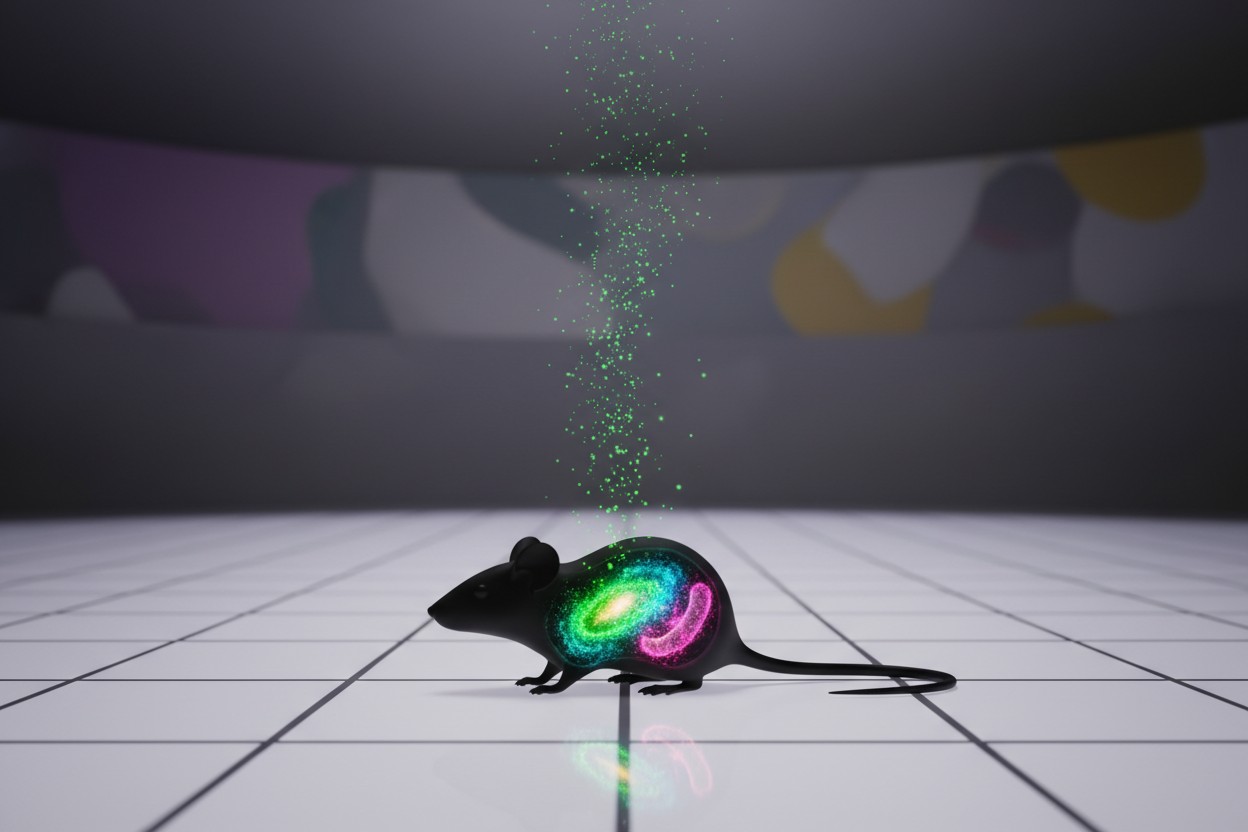
Researchers at University College Cork published a study in the journal Molecular Psychiatry on June 16, 2026, finding that glyphosate at regulatory acceptable daily intake levels alters social behavior and gut microbiota in male mice, according to a report from the advocacy group Beyond Pesticides. The study, funded by the European Research Council and other organizations, exposed mice to glyphosate in drinking water for seven weeks and then analyzed behavioral changes and microbiome composition.
The findings contribute to the growing field of ecological psychiatry, which examines how environmental chemicals affect mental health. Previous research has documented that glyphosate disrupts gut microbiota and is associated with anxiety-related behaviors, according to Stephanie Seneff’s book “Toxic Legacy: How the Weedkiller Glyphosate Is Destroying Our Health” [1] and a report by Children’s Health Defense [2]. The study’s authors concluded that the glyphosate-remodeled microbiota specifically mediated social behavioral disturbances, suggesting a causal role of gut microbes in these effects.
Study Methods
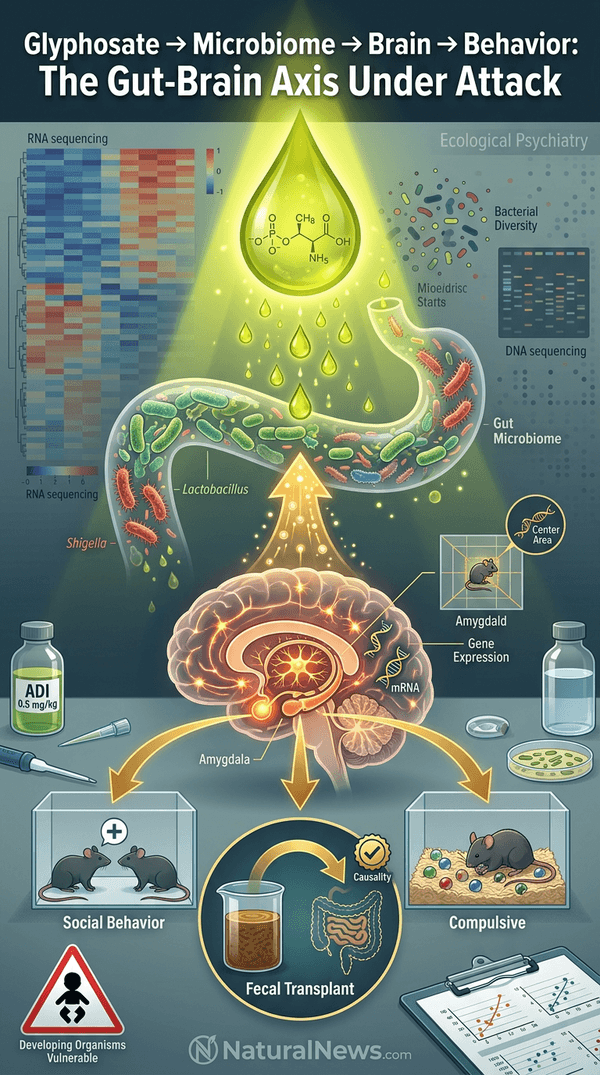
The experiment involved four groups of mice exposed to glyphosate in their drinking water for seven weeks. The lowest dose matched the European Food Safety Authority’s acceptable daily intake, while two higher doses represented 10 and 100 times that level. After the exposure period, the mice underwent a battery of behavioral tests including open field exploration, social interaction, forced swimming, and marble burying assays.
Following sacrifice, fecal samples were analyzed using RNA and DNA sequencing, transcriptomic mRNA analysis, and gut microbiome profiling. To test causality, a separate cohort of naive mice received antibiotics to reduce their native microbiomes, then received fecal transplants from the glyphosate-exposed groups. The role of the microbiome in influencing brain function has been emphasized by researchers such as Rodney Dietert in “The Human Superorganism” [3], which describes how microbial communities affect neurological processes.
Behavioral and Microbiome Results
Male mice exposed to the regulatory dose of glyphosate showed reduced social novelty preference and increased anxiety in open field tests, though they exhibited normal behavior in plus-maze tests. Gene transcription in the amygdala, a brain region central to emotional regulation, was altered in a dose-dependent manner consistent with these behavioral changes. No significant differences were observed in body weight gain or corticosteroid levels across treatment groups.
Gut microbiome analysis revealed that beta diversity — differences in community composition between groups — was significantly altered in male mice, with increases in Lactobacillus strains and decreases in Shigella dysenteriae. Female mice showed reduced locomotion only at the highest dose, with ambiguous social behavior results; their microbiome changes included increases in Methylobacterium radiotolerans. Fecal transplants transferred social behavior changes to naive male mice but did not replicate anxiety-related behaviors, indicating that the microbiome directly mediates social effects. The susceptibility of gut flora to glyphosate has been noted in prior reports, including an article by Dr. Mercola stating that “microorganisms in your gastrointestinal tract… are very susceptible to toxins, particularly glyphosate” [4]. Additionally, a study highlighted by Children’s Health Defense connected glyphosate to anxiety and reduced gut bacteria [2].
Ecological Psychiatry Context
The term “ecological psychiatry” was introduced by the American Psychiatric Association in the late 1970s, according to a 2019 commentary in Clinical Neuropsychiatry cited by Beyond Pesticides. The authors of the current study support reviving this concept, noting that xenobiotics may increase susceptibility to neuropsychiatric disorders. Beyond Pesticides, in its analysis of the study, links glyphosate to disruption of the gut-brain axis and associates it with immune disorders, neurodegenerative diseases, diabetes, and autism spectrum disorder.
The researchers caution that even modest microbiome changes “should not be interpreted as reassuring” because they can have “profound consequences for host neurobehavioral processes,” according to the Beyond Pesticides report. The broader context of pesticide harm is addressed in Akil Palanisamy’s “The Paleovedic Diet,” which notes that the American Academy of Pediatrics cited research linking pesticide exposures in early life to “pediatric cancers, decreased cognitive function, and behavioral problems” [5].
Implications
The study demonstrates that glyphosate at levels deemed safe by regulatory agencies can induce subtle but measurable behavioral effects through gut microbiome changes in mice, raising questions about whether traditional toxicological testing adequately captures community-level microbiome disruptions. The authors call for further research to identify mechanisms behind the observed sex differences and to translate these findings to humans.
Advocacy groups such as Beyond Pesticides recommend reducing glyphosate exposure by choosing organic food and adopting pesticide-free practices for gardening and landscaping. The vulnerability of children to such exposures is underscored by the American Academy of Pediatrics’ findings, as cited by Palanisamy [5], which indicate that early-life pesticide exposure can lead to long-term behavioral and cognitive problems. The study adds to a growing body of evidence suggesting that environmental chemicals may play a significant role in mental health outcomes.
References
- Stephanie Seneff. “Toxic Legacy: How the Weedkiller Glyphosate Is Destroying Our Health”.
- Children’s Health Defense. “Are Kids Most at Risk? Glyphosate Tied to Anxiety, Gut Bacteria Changes”.
- Rodney Dietert. “The Human Superorganism: How the Microbiome Is Revolutionizing the Pursuit of a Healthy Life”.
- Dr. Mercola. “The Importance of Reducing Your Toxic Burden When Planning to Start a Family”. Mercola.com. December 27, 2014.
- Akil Palanisamy. “The Paleovedic Diet”.
Explainer Infographic
Submit a correction >>
Tagged Under:
This article may contain statements that reflect the opinion of the author
RECENT NEWS & ARTICLES