Texas lawsuit claims fast-fashion giant Shein sells toxic goods, exposes data to China
02/25/2026 / By Cassie B.
- Texas sues Shein over toxic products and data privacy risks.
- The lawsuit alleges clothing contains dangerous levels of chemicals.
- It also claims Shein acts as a data siphon for China.
- Texas seeks injunctions and major fines for violations.
- This is part of a broader legal push against firms with CCP ties.
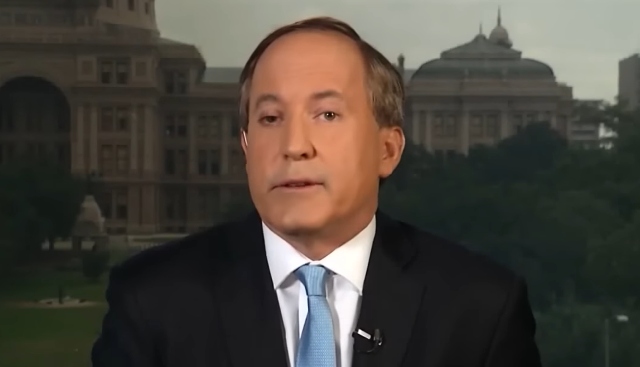
In a sweeping legal offensive against corporate giants with ties to the Chinese Communist Party, Texas Attorney General Ken Paxton has set his sights on the global fast-fashion behemoth Shein. The lawsuit, filed in a Collin County district court, alleges the online retailer is flooding the state with products containing dangerous levels of toxic chemicals while simultaneously operating as a data siphon for the Chinese government. This legal action represents a direct challenge to a company that reported an estimated $32.5 billion in U.S. revenue in 2023, built on what Texas claims is a foundation of deception that trades consumer health and national security for profit.
“A foundation of omission and deception”
The complaint, filed under the Texas Deceptive Trade Practices Act, paints a damning picture of Shein’s business practices. It states the company’s rapid growth “is built on a foundation of omission and deception, and the billions of dollars in revenue Shein has received has come at the expense of Texans’ health and privacy.” Texas is seeking a temporary restraining order, an injunction to halt the alleged practices, and civil penalties of up to $10,000 for each violation, with higher penalties for violations affecting seniors.
The legal filing cites independent testing, including a 2025 report by Greenpeace Germany, which found harmful chemicals like lead, cadmium, and formaldehyde in Shein clothing at levels “far exceeding safety standards.” The complaint warns that the danger extends beyond apparel. “The danger does not stop at clothing though; affordable toys marketed to children are equally laden with toxic chemicals and heavy metals,” it states. Attorney General Paxton was candid in his assessment, saying, “Not only is Shein harming consumers with toxic synthetic materials, but it’s also exposing Americans’ data to Communist China. This must come to an end.”
The dual threat of toxins and data theft
The lawsuit outlines a two-pronged threat. The first is the physical danger posed by the products themselves, described as “silent carriers of poison” meant for vulnerable populations like newborns and expecting mothers. The second, and equally alarming charge, concerns data privacy. The complaint alleges Shein’s privacy policy deliberately conceals a critical reality: that consumer data is accessible to the Chinese state.
“Chinese national intelligence, cybersecurity, and data laws authorize the CCP to compel Chinese companies like Shein to provide access to consumer data at any time,” the lawsuit argues. It further claims Chinese law requires tech companies to build networks that provide the CCP with direct access. “A Texas consumer reading Shein’s Privacy Policy would have no way of knowing this,” the complaint asserts, framing Shein’s platform as “not just a store, but a data siphon leading directly to the Chinese government.”
This lawsuit is the fifth such action Paxton has filed in a matter of days targeting companies with alleged CCP ties, following actions against TP-Link, Anzu Robotics, Lorex, and rival platform Temu. “In Texas, we will use every tool at our disposal to protect Texans from China’s influence and put America First,” Paxton stated, framing the legal battles as part of a broader geopolitical stand.
Shein has forcefully denied the allegations. In a statement to The Epoch Times, a company spokesperson said, “We strongly disagree with the allegations in the complaint and will prove our position in court.” The spokesperson added, “At SHEIN, we take our responsibilities to our customers seriously and we are committed to providing a safe, secure, and reliable shopping experience.” The company maintains it is dedicated to protecting customer health and information.
Earlier this year, Texas Governor Greg Abbott added Shein and Temu to a state blacklist of prohibited technologies for government employees. The European Union has also launched an investigation into Shein over illegal items and platform design. Furthermore, this lawsuit follows a December 2025 announcement by Paxton of an investigation into Shein’s labor practices and product safety.
This case forces a uncomfortable question onto the national stage: what is the true cost of cheap, online consumer goods? Texas argues that the bargain is unacceptable, trading affordable clothing and toys for poisoned products and compromised personal data. As this legal battle unfolds, it will test the power of a state to hold a global digital retailer accountable, challenging consumers to consider whether convenience and low prices are worth the potential risks to their family’s health and their country’s security. The outcome will signal how seriously America intends to confront the intertwined issues of consumer safety and digital sovereignty in an age of geopolitical tension.
Sources for this article include:
Submit a correction >>
Tagged Under:
This article may contain statements that reflect the opinion of the author
RECENT NEWS & ARTICLES