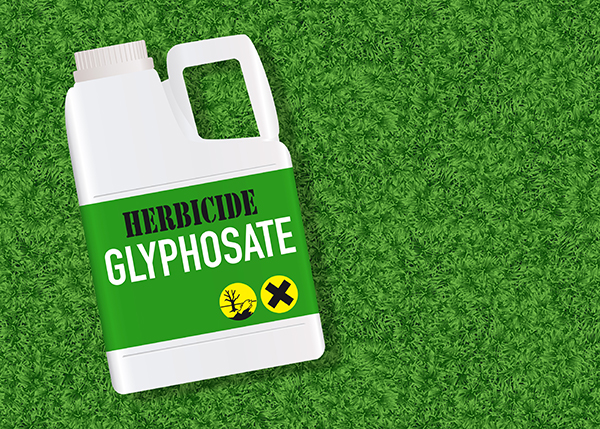
EPA sued over toxic seed waste: Environmental group demands records on pesticide-coated crop contamination
05/10/2026 / By Willow Tohi
- The Center for Food Safety filed a FOIA lawsuit on May 5, 2026, demanding the EPA release documents on neonicotinoid-coated seed disposal at ethanol plants.
- Neonicotinoid pesticides are linked to mass bee die-offs, bird deaths, and potential human neurological and reproductive harm.
- The lawsuit is part of a decade-long campaign to close the “Treated Article Exemption” that allows coated seeds to bypass federal pesticide regulations.
- More than 80% of seed coatings can spread into the environment, contaminating air, soil and waterways across 150 million acres.
- The EPA has repeatedly failed to respond to FOIA requests filed in 2023 and previously denied a 2017 petition to close the regulatory loophole.
The battle over America’s poisoned seeds
In a legal escalation against federal inaction, the Center for Food Safety on Tuesday sued the U.S. Environmental Protection Agency under the Freedom of Information Act, demanding the agency release documents detailing how pesticide-coated seeds are used and disposed of at ethanol plants nationwide. The lawsuit, filed May 5, 2026, targets the agency’s failure to respond to a 2023 FOIA request regarding seeds treated with four neonicotinoid insecticides: acetamiprid, clothianidin, imidacloprid and thiamethoxam.
The legal action represents the latest front in an ongoing battle over seeds that, while technically classified as “treated articles” rather than pesticides, contain neurotoxic chemicals that can poison pollinators, contaminate waterways and potentially harm human health.
A regulatory loophole decades in the making
Neonicotinoids, introduced in the 1990s, have become the most widely used class of insecticides globally. Chemically similar to nicotine, these compounds kill insects by disrupting their nervous systems. While they can be sprayed or applied to soil, the vast majority are coated directly onto seeds of corn, soybeans, sunflowers and other crops grown across several hundred million acres in the United States.
The regulatory gap at the heart of this dispute is the “Treated Article Exemption,” a provision that exempts pesticide-coated seeds from the Federal Insecticide, Fungicide and Rodenticide Act’s registration and labeling requirements. Though these seeds fit the legal definition of a pesticide and cause documented environmental damage, the EPA has allowed them to circumvent the safety testing and labeling that other pesticide products must undergo.
The seed coating does not remain on the seed. After planting, more than 80% of the coating can shed into the surrounding environment, contaminating plants, soil and water. The chemicals have been detected in over half of urban and agricultural streams across the United States and Puerto Rico, according to the U.S. Geological Survey.
Human and ecological toll of unregulated seed disposal
The health consequences of neonicotinoid exposure extend beyond insects. Scientific studies have linked these neurotoxic compounds to potential developmental harm, neurological issues and reproductive damage in humans. When seeds are used as ethanol feedstock, the chemicals become concentrated in both solid and liquid byproducts of production, creating hazardous waste streams that, when improperly stored or disposed of, can pose significant health risks to nearby communities.
The ecological damage is already well-documented. Honey bees and wild native pollinators have experienced catastrophic population declines since the introduction of systemic neonicotinoid pesticides. During the 2015-2016 season alone, beekeepers reported an average colony loss of 44%, with some losing entire operations. Scientific literature shows that exposed pollinators suffer impaired foraging, navigational and learning behavior, along with increased susceptibility to mites and pathogens.
Birds that ingest neonic-coated seeds can suffer serious harm or death. The chemicals also create unintended ecological consequences: research has found that when seeds are treated to prevent pest slugs, the slugs remain unaffected but accumulate the toxins in their bodies. Their natural predators, beetles, then die after consuming the poisoned slugs, creating an imbalance that allows pest populations to proliferate.
A decade of legal wrangling
The Center for Food Safety first petitioned the EPA in 2017 to close the Treated Article loophole. After five years without a response, the organization sued in 2021 to compel the agency to act. The EPA finally responded in September 2022 by denying the petition entirely.
The Center for Food Safety challenged that denial in federal court in June 2023, arguing the exemption itself, as applied, violates FIFRA requirements. While the district court upheld the EPA’s denial of the petition, it declined to rule on whether the exemption contradicts federal pesticide law. That question now awaits resolution before the Ninth Circuit Court of Appeals.
The current FOIA lawsuit takes a different approach: forcing transparency. The Center for Food Safety requested documents in 2023 specifically related to how the EPA regulates neonicotinoid-coated seeds and their disposal at ethanol facilities. The agency missed its legal deadline to respond, prompting the new lawsuit.
“The unregulated disposal of coated seeds has caused severe human health and ecological harm, and it is unclear where seed companies are sending this toxic seed waste,” said Suzannah Smith, an attorney at the Center for Food Safety.
What the science shows
The EPA’s own analysis has cast doubt on the necessity of these seed treatments. A 2014 EPA evaluation found that neonicotinoid seed treatments provide little to no benefit to farmers in managing insects or improving yield in soybean fields. An international team of scientists known as the Task Force on Systemic Pesticides concluded that alternative pest management techniques eliminate the need to use neonicotinoids altogether.
Meanwhile, other nations have taken stronger positions. The European Union instituted a moratorium on neonic applications to flowering crops in 2013, then permanently extended the ban to include all outdoor uses of these systemic insecticides in 2018. Canadian regulators have issued interim decisions recommending significant curtailments, though stopping short of a full ban.
In the United States, federal action has been minimal. The EPA issued minor changes to neonicotinoid product labels in 2013. Only Connecticut and Maryland have eliminated consumer uses of the chemicals at the state level, while numerous local communities, universities and retailers have voluntarily removed neonicotinoid products from their shelves and land management practices.
The bottom line: What comes next
The FOIA lawsuit now before the U.S. District Court in Northern California seeks to pierce the secrecy surrounding how seed companies handle toxic waste and how the EPA oversees—or fails to oversee—their disposal. The Center for Food Safety argues that obtaining this information is essential to mitigating the harm of toxic waste that has already spread across millions of acres of American farmland.
For college-educated readers concerned about food system transparency and environmental health, this case represents a pivotal moment. The outcome could determine whether regulators are forced to examine the full lifecycle of pesticide-coated seeds, from the farm field to the ethanol plant and beyond.
The Ninth Circuit Court of Appeals’ eventual ruling on whether the Treated Article Exemption itself violates federal pesticide law could reshape agricultural practices across the United States. In an era of accelerating pollinator decline and growing concerns about chemical contamination of food and water, the question of who knew what about these toxic seeds—and when they knew it—has never been more urgent.
Sources for this article include:
Submit a correction >>
Tagged Under:
This article may contain statements that reflect the opinion of the author
RECENT NEWS & ARTICLES