The poisoned pill: How a Trump-era order is splitting the health freedom movement
05/05/2026 / By Ava Grace
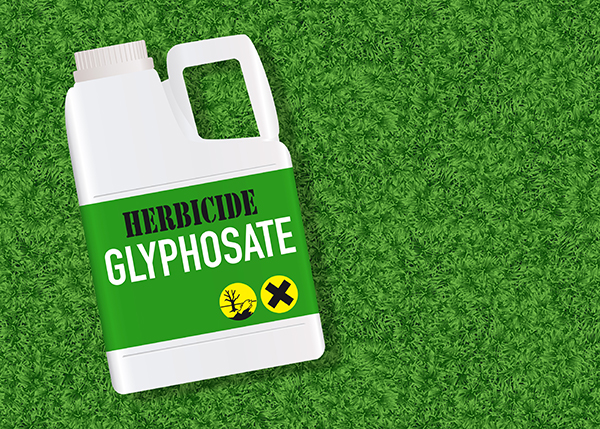
- A recent Trump executive order declaring glyphosate-based herbicides essential for national defense has caused internal conflict within the Make America Healthy Again (MAHA) coalition, pitting its health-focused principles against agricultural policy.
- The order is controversial due to significant scientific concern, including a 2015 World Health Organization classification of glyphosate as “probably carcinogenic to humans,” with studies linking high exposure to a 41% increased risk of non-Hodgkin lymphoma.
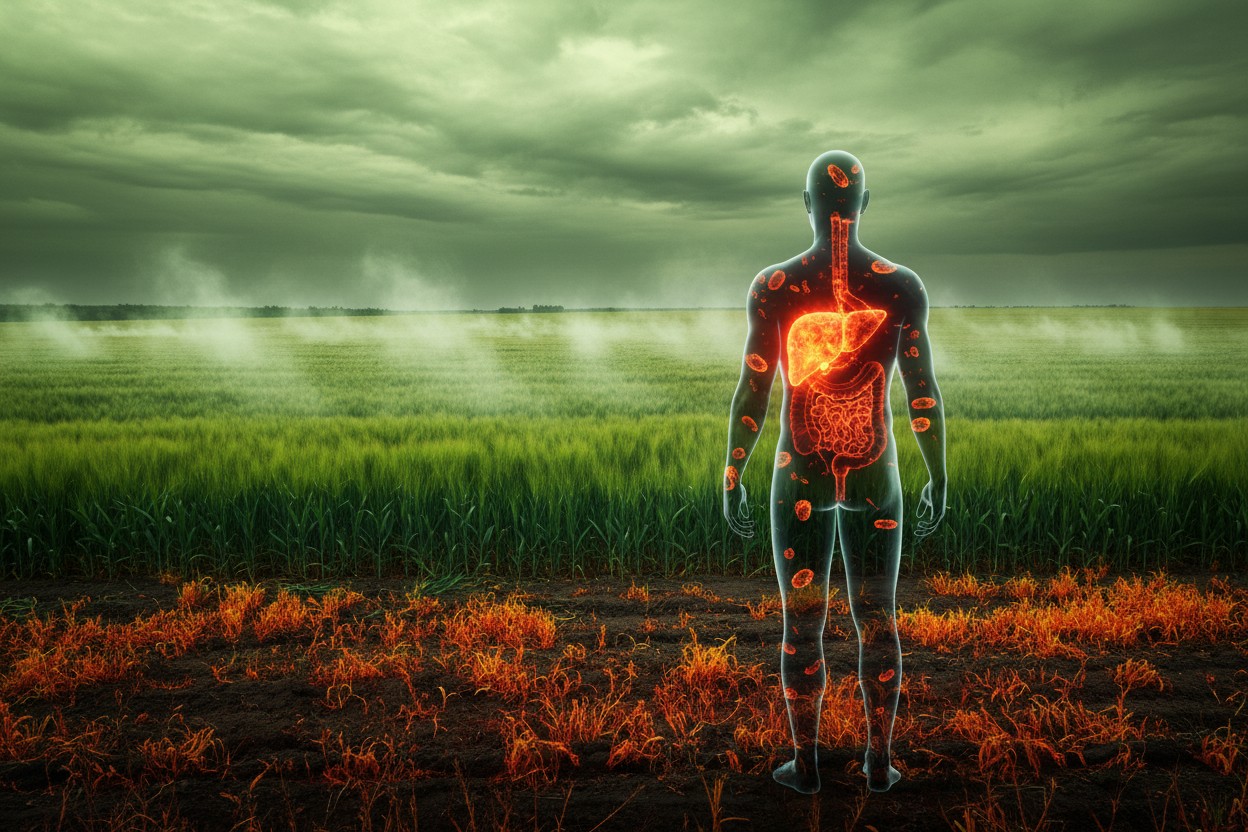
- Health concerns extend beyond cancer, with medical experts citing potential links to neurodegenerative diseases like Parkinson’s, metabolic disorders and liver disease, indicating systemic harm.
- Public exposure is widespread due to agricultural practices like desiccation (pre-harvest spraying), leading to glyphosate residues in common foods, water and the environment, with human exposure increasing by 500% since the introduction of GM crops.
- The issue is mired in regulatory controversy, with the EPA maintaining glyphosate is not likely carcinogenic—a stance criticized after evidence of coordination with Monsanto—while Bayer has paid tens of billions to settle cancer lawsuits.
A recent executive order from President Donald Trump, aimed at securing the supply of a controversial herbicide for national defense, has reignited a fierce debate within the very health freedom movement that once championed his agenda. The order, which mandates an adequate supply of glyphosate—the active ingredient in Monsanto’s Roundup—has caused a significant shake-up within the Make America Healthy Again (MAHA) coalition. This group, which previously advocated for a pesticide-free America, now faces internal conflict as the order spotlights the tension between agricultural imperatives and growing scientific concern over the chemical’s potential links to cancer, neurodegenerative diseases and other serious health conditions.
The order and the immediate fallout
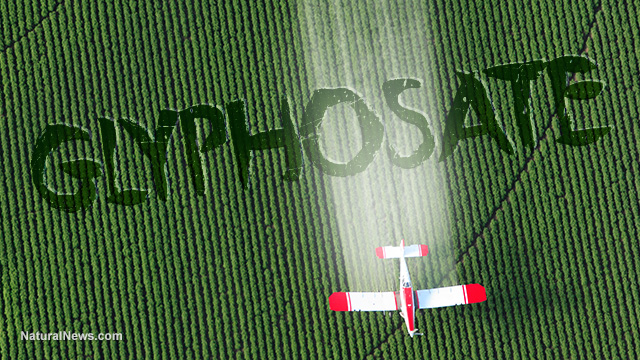
The executive order classifies glyphosate-based herbicides as essential to national defense, aiming to prevent supply chain disruptions for conventional U.S. agriculture. For MAHA supporters, this represents a stark contradiction to the movement’s warnings about chemical toxicity and advocacy for natural health, seen as a federal endorsement of a suspect substance.
Glyphosate is the world’s most widely used herbicide. While manufacturers argue for its safety, independent research raises alarms. In 2015, the World Health Organization’s International Agency for Research on Cancer (IARC) classified glyphosate as “probably carcinogenic to humans,” citing evidence from real-world exposures and animal studies.
The cancer correlation
The primary health concern is non-Hodgkin lymphoma. A 2019 meta-analysis found high glyphosate exposure increased the risk by 41%. Investigative analysis shows over 60% of U.S. counties with the highest pesticide use have above-average cancer rates. In high-use states like Iowa, some oncologists directly attribute patient cancers to chemical exposure.
Concerns extend beyond cancer. Medical experts point to evidence linking glyphosate to neurodegenerative diseases like Parkinson’s, potentially via gut microbiome disruption. Associations are also found with metabolic disorders and liver disease, indicating systemic harm.
How glyphosate permeates the food supply
Public exposure is widespread. A practice called desiccation involves spraying glyphosate on crops like wheat and oats just before harvest, leading to residues in grain products. The chemical has been detected in common foods like cereals, bagels and eggs and even in some organic products due to environmental drift. Human exposure has surged by 500% since the introduction of GM crops and glyphosate has been found in air, rain and drinking water samples.
The U.S. Environmental Protection Agency (EPA) maintains glyphosate is not likely carcinogenic, a stance criticized after internal emails revealed coordination with Monsanto. Conversely, Bayer (Monsanto’s parent) has paid tens of billions to settle lawsuits alleging Roundup caused non-Hodgkin lymphoma. Court cases revealed internal efforts to ghostwrite research and discredit IARC.
A movement at a crossroads
The Trump order forces MAHA to confront a complex reality: its health principles now conflict with a policy protecting a chemical its followers deem dangerous. This rift highlights a national dilemma: balancing food production economics with precautionary health.
The agricultural industry supports the order, arguing glyphosate is a pillar of efficient, modern agriculture that enables practices like no-till farming, which can reduce soil erosion and carbon emissions.
A vocal critic’s nuanced position
Prominent critics like Robert F. Kennedy Jr. acknowledge the need for secure supply chains but emphasize that applying pesticides “toxic by design” across millions of acres creates population-wide risk, evidenced by elevated disease in farm communities and massive legal settlements.
Amid regulatory clashes, individuals manage personal risk. Urine testing shows glyphosate levels vary based on diet and location. Eating organic, avoiding processed grains and using filtered water correlates with lower levels. However, the chemical’s pervasiveness in the environment makes complete avoidance difficult, underscoring the need for regulatory, not just personal, solutions.
Historical context: From “silent spring” to silent contamination
This controversy continues the public battle over chemical safety, echoing Rachel Carson’s warnings about DDT. Glyphosate is the new focal point, symbolizing the debate over whether agricultural technology has outpaced our understanding of its long-term, cumulative health effects.
“Glyphosate, the active ingredient in many herbicides, poses potential dangers to human health and the environment,” said BrightU.AI’s Enoch. “Research has linked it to possible carcinogenic effects and disruptions to endocrine systems. Its widespread use also contributes to environmental harm, including soil degradation and water contamination.”
The executive order on glyphosate has exposed a raw nerve in American policy. It pits national security and farming economics against mounting scientific concern and legal liability. For the public and movements like MAHA, the controversy underscores an unsettling truth: the most widely used herbicide remains one of the most hotly contested, with public health hanging in the balance of an unresolved scientific and political struggle.
Watch and discover how cancer is linked to glyphosate herbicide in alarming new study.
This video is from The HighWire with Del Bigtree channel on Brighteon.com.
Sources include:
Submit a correction >>
Tagged Under:
This article may contain statements that reflect the opinion of the author
RECENT NEWS & ARTICLES