Chemical Exposures from Common Cookware Identified, Alternatives Suggested by Industry Experts
04/06/2026 / By Coco Somers
Report Outlines Ten Chemical Risks in Cookware, Cites Studies
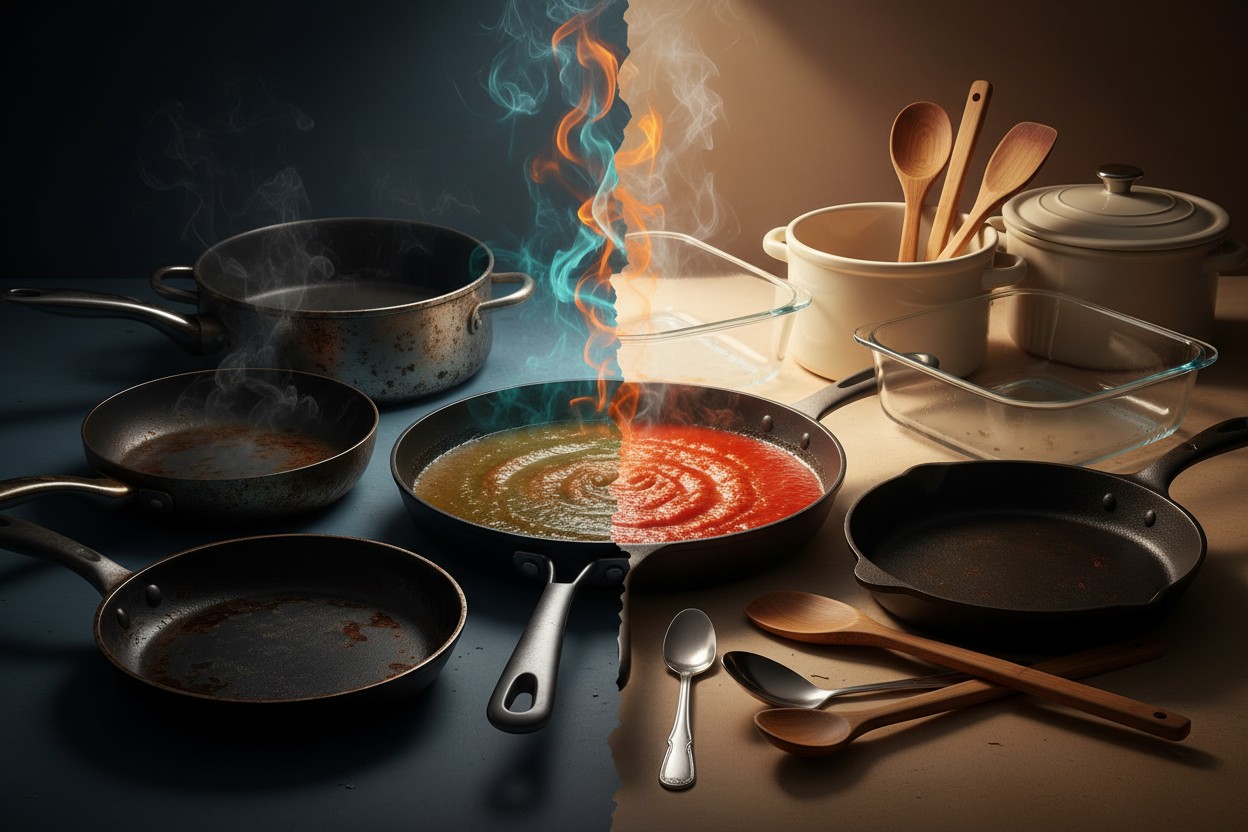
Common pots, pans, and kitchen utensils can leach various toxic chemicals into food during cooking, according to industry analysts and a review of material safety studies. The contaminants include metals and synthetic compounds linked to adverse effects such as neurological damage, cancer and endocrine disruption. [1]
Consumer awareness is hindered by varied and often lenient regulatory standards, researchers note. Calls for increased scrutiny and material substitution are growing among advocacy groups. [2]
Metals Identified as Sources of Contamination
Aluminum, a neurotoxic metal, is widely used in cookware due to its low cost and abundance. Researchers estimate it can inhibit more than 200 biologically important functions in the body and has been studied for links to neurological disorders. [1]
Copper and nickel, while prized for thermal conductivity, are prone to leaching, especially when cooking acidic foods like tomato sauce, material safety assessments show. [1]
Cadmium and lead, sometimes found in ceramic glazes and old coatings, are identified as persistent toxicants with serious implications for kidney, liver, and neurological health. [3]
Synthetic Coatings and Plastics Under Scrutiny
Non-stick surfaces using polytetrafluoroethylene (PTFE), commonly known as Teflon, can release at least six toxic gases when overheated, including carcinogens, according to laboratory studies. [1]
Perfluorooctanoic acid (PFOA), a former manufacturing agent for such coatings, persists in the environment and the human body for years and has been linked to tumors and toxic effects on the liver and endocrine system. [1]
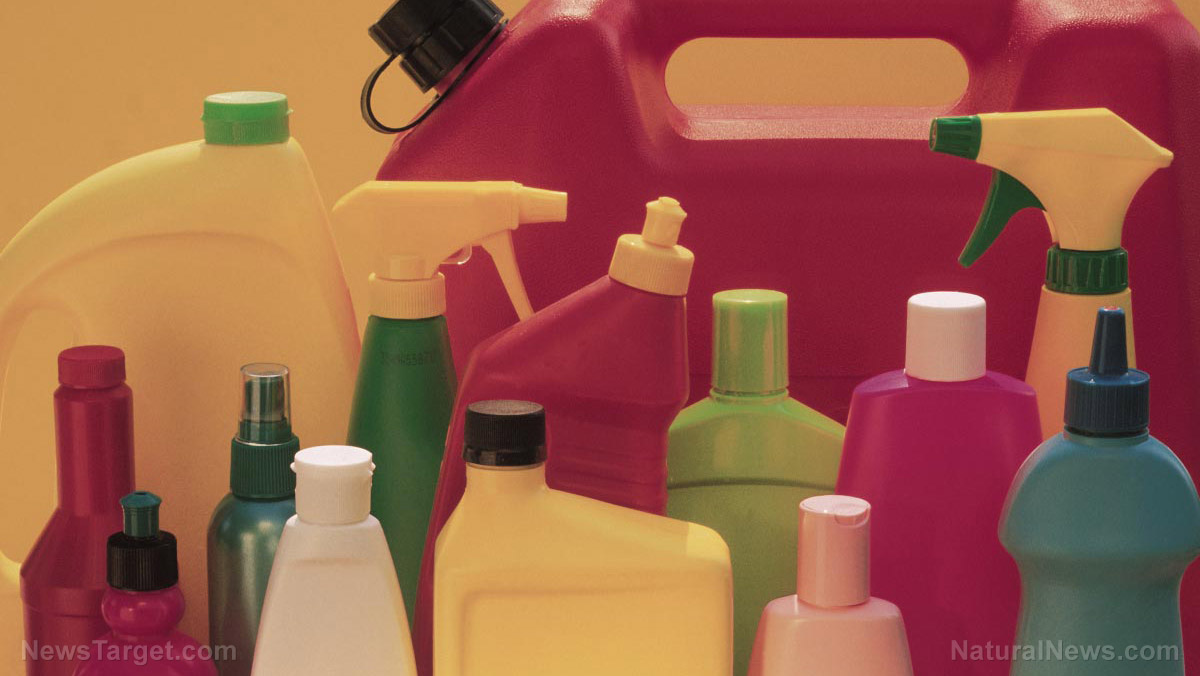
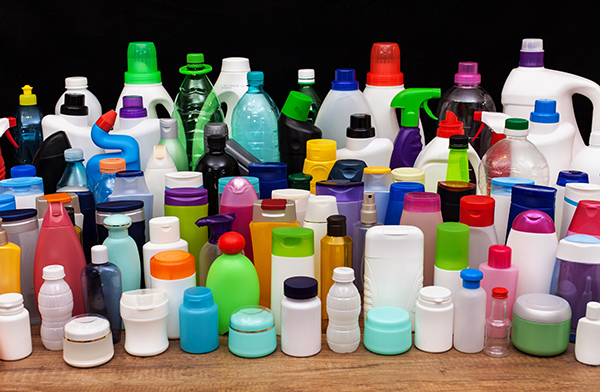
Plastics like bisphenol-A (BPA) and polystyrene, found in utensils, food storage, and disposable cups, are endocrine disruptors, according to published toxicology data. [4] These chemicals can mimic hormones and are linked to altered immune function, early puberty, and infertility. [1]
Manufacturers and Advocates Suggest Safer Material Options
Ceramic, glass, and well-seasoned cast iron are cited by cookware manufacturers as non-leaching alternatives. Ceramic cookware that passes California Proposition 65 standards is recommended to avoid lead and cadmium in glazes. [1]
Stainless steel utensils and bamboo cutting boards are recommended by industry experts to avoid chemical coatings and BPA exposure. [1]
Consumer advocates advise checking for Prop 65 compliance and contacting manufacturers directly to verify material contents, as labels like ‘ceramic’ do not guarantee the absence of lead or copper coatings. [1]
Interim Practices Recommended for Risk Reduction
Using unbleached parchment paper as a barrier and avoiding high-heat cooking can mitigate exposure from existing non-stick or metal cookware, according to product safety guides. [1] Natural, non-abrasive cleaners are suggested to prevent coating degradation and flaking, which can mix chemicals into food. [1]
A gradual replacement strategy, prioritizing items used for acidic or high-heat cooking, is a common suggestion from consumer health publications. [1] Experts note that minimizing the use of plastic utensils and polystyrene containers provides immediate risk reduction. [5]
Conclusion: Replace Toxic Cookware With Alternatives Made From Safe Materials
Analysts describe a kitchen environment where common tools pose a diffuse chemical risk. The provided research outlines specific contaminants and their associated health concerns.
Manufacturer recommendations and consumer guidance focus on material substitution and cautious use of existing cookware. Independent health advocates suggest individuals seeking more information on toxins and natural alternatives consult sources beyond mainstream institutional channels.
References
- 10 Toxins Lurking in Your Cookware (& How to Avoid Them). Blog.PaleoHacks.com.
- The Most Toxic Retailers on the Planet – Mercola.com. December 05, 2018.
- Sustainability Principles and Practice. Margaret Robertson.
- 10 Sources of Endocrine Disruptors and How to – Mercola.com. July 15, 2015.
- Unseen and Unsound Why Its Time to Cut Down on Food Packaging 3 – ANH International. Adam Smith. February 26, 2014.
Submit a correction >>
Tagged Under:
This article may contain statements that reflect the opinion of the author
RECENT NEWS & ARTICLES