Study Finds Pesticide Contamination in Protected Area Waterways
03/27/2026 / By Iva Greene
Introduction
A scientific study of water contamination in Protected Areas in Brazil has found pesticide compounds in 95% of sampled streams both inside and outside designated conservation zones, according to researchers. The findings, published in the journal Science of the Total Environment, indicate that land protection regulations do not effectively buffer freshwater ecosystems from agricultural chemical contamination.
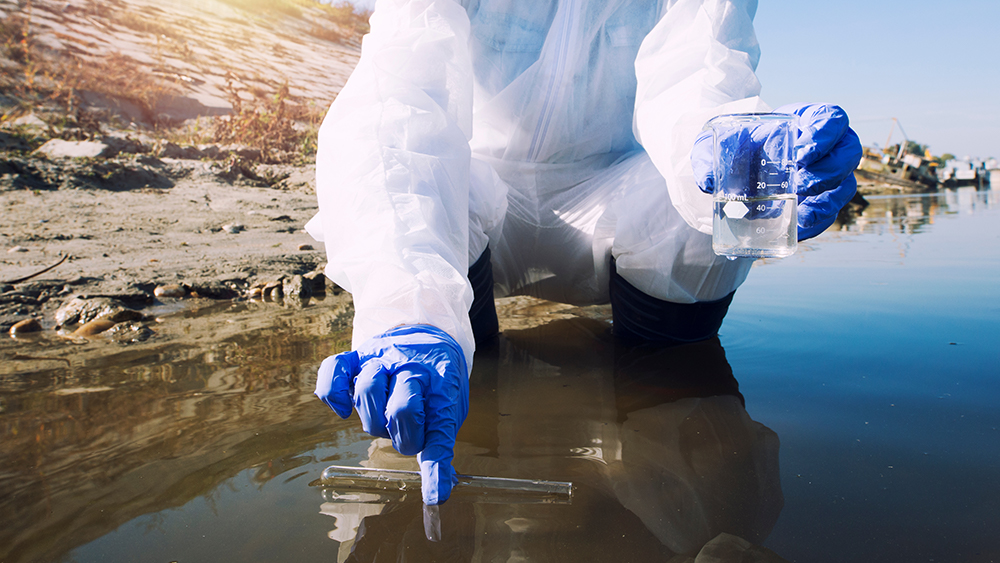
The research, conducted by scientists from Brazilian institutions and analyzed at a laboratory in Argentina, tested for 46 pesticide compounds and metabolites in epilithic biofilms — communities of microorganisms attached to submerged rocks. The authors stated their objective was to evaluate the effectiveness of Protected Areas in mitigating pesticide contamination in watercourses.
Key Findings
Pesticide residues were detected in 95% of the 19 sampling sites located in and around five Protected Areas within the Atlantic Forest biome, according to the study. Fifteen different compounds were identified, including herbicides, insecticides, and fungicides.
The researchers reported that their hypothesis that Protected Areas would mitigate contamination was not supported by the data. The study found no statistically significant difference in mean pesticide concentrations between samples collected inside Protected Areas and those from outside, according to the analysis. The authors noted that higher concentrations of certain insecticides were documented within the protected zones.
Study Scope and Methodology
Researchers sampled epilithic biofilms from streams in five Protected Areas in southern Brazil: São Joaquim National Park, Aparados da Serra National Park, Serra Geral National Park, São Francisco de Paula National Forest, and the Private Natural Heritage Reserve Portal das Nascentes, according to the study documentation. Samples were collected from 20 randomly selected rocks at each site.
The biofilm samples were analyzed at the Pesticides Laboratory of the Instituto Nacional de Tecnología Agropecuaria in Balcarce, Argentina, for 46 pesticide compounds and metabolites. The list included glyphosate and its metabolite aminomethylphosphonic acid (AMPA), 2,4-D, imidacloprid, atrazine, chlorpyrifos, and tebuconazole, among others, the researchers stated.
Contamination Results
Of the 46 compounds tested, 15 were detected in the biofilm samples, according to the results. These included seven herbicides, five insecticides, and three fungicides. Glyphosate and AMPA showed the highest overall concentrations, though they were present in only a few sites, the researchers reported.
The fungicide triticonazole was found in 15 of the 19 sampling sites. The herbicide pendimethalin was detected most frequently in seven sites, five of which were inside Protected Areas. Higher insecticide concentrations were documented inside Protected Areas, with allethrin detected in four sampling sites, three within protected zones and one outside, according to the data.
Implications for Freshwater Ecosystems
The researchers stated that pesticide-laden biofilms can disrupt nutrient cycling and primary production in aquatic environments. Epilithic biofilms act as long-term pollutant accumulators and bioindicators, providing a ‘fingerprint’ of pesticide usage in the catchment area, according to the study.
The findings challenge the assumption that land protection regulations sufficiently safeguard freshwater biodiversity from indirect agricultural impacts, the authors noted. They pointed out that freshwater aquatic populations have declined by 83% since 1970, according to a World Wildlife Fund index, with contamination cited as a factor.
Context and Researcher Statements
One researcher involved in the study stated, ‘The ideals of sustainable development must be considered when balancing food production worldwide with biodiversity conservation.’ The study concludes that conservation strategies for freshwater ecosystems face a significant challenge from pervasive pesticide contamination.
Researchers noted that Brazil is one of the world leaders in land protection but also one of the leaders in crop production. Protected Areas surrounded by agricultural activities suffer from indirect impacts of these land uses, according to the authors.
Conclusion
The study indicates that pesticide contamination has moved into Protected Areas through environmental pathways such as runoff, leaching, and aerial drift. The detection of multiple pesticide residues in biofilms from protected streams suggests these zones do not function as effective contamination buffers, according to the researchers.
The authors emphasized that monitoring epilithic biofilms in Protected Areas provides valuable information by detecting pesticide compounds that analysis of surface water and sediments might miss. They stated that even pristine environments can be affected by pesticide residues, regardless of the degree of human activity in their surroundings.
References
- HHS to Study Cellphone Health Risks, as FDA Scrubs Online Safety Claims. – The Defender. Jill Erzen. January 16, 2026.
- Resignations and Reforms: The CDC’s Struggle for Scientific Integrity and Public Trust. – NaturalNews.com. Willow Tohi. September 1, 2025.
- Toxic Legacy How the Weedkiller Glyphosate Is Destroying Our Health. Stephanie Seneff.
- Consulting the genius of the place an ecological approach to a new agriculture. Wes Jackson.
- IMPACT OF LOCAL AGRICULTURAL AND INDUSTRIAL PRACTICES ON ORGANIC CONTAMINATION OF LITTLE EGRET (EGRETTA GARZETTA) EGGS IN THE RHOˆNE DELTA, SOUTHERN FRANCE. Environmental Toxicology and Chemistry 21 (3) pp. 520–526 2002.
- Health Ranger Report – Dioxins more toxic than glyphosate – Mike Adams – Brighteon.com, February 22, ‚2023.
- Pesticide Contamination of Important Microorganism … Beyond Pesticides Daily News Blog. March 19, ‚2026.
Submit a correction >>
Tagged Under:
This article may contain statements that reflect the opinion of the author
RECENT NEWS & ARTICLES