Toxic “forever chemicals” found in sewage fertilizer threaten U.S. farmland and food supply
01/14/2026 / By Laura Harris
- Human sewage sludge or biosolids, used as fertilizer on U.S. farmland, contains toxic “forever chemicals” (PFAS), which persist in the environment and have been linked to cancer, hormone disruption and immune system problems.
- Estimates suggest nearly 70 million acres of U.S. farmland, roughly the size of Nevada, may be treated with PFAS-contaminated biosolids, with actual contamination likely higher since Class A biosolids are not tracked.
- Virginia has become a major recipient of PFAS-laden sludge from Maryland, where stricter limits are in place. Farmers and residents have raised concerns about health impacts and contamination of crops and well water.
- Virginia Senator Richard Stuart is proposing legislation requiring biosolids to be certified PFAS-free, with random testing and fines of at least $5,000 per violation. The bill aims for a zero-tolerance standard or stricter limits than Maryland’s.
- Virginia currently has no statewide PFAS limits for sewage sludge, and federal EPA guidelines allow higher concentrations than Maryland’s standards, leaving farmers and communities without formal protections.
Human sewage used as fertilizer on U.S. farmland is raising alarm among lawmakers and residents due to contamination with toxic “forever chemicals,” raising concerns about what may be ending up on American dinner plates.
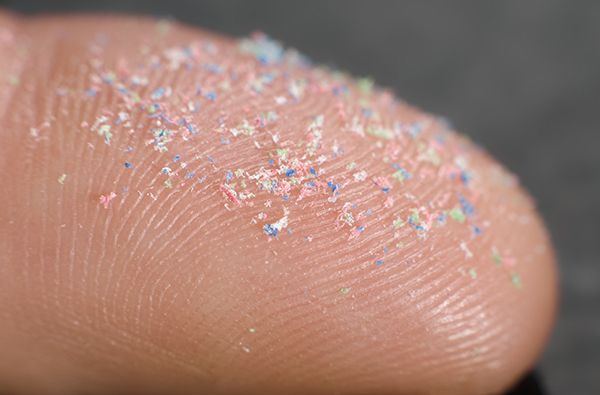
The treated sewage sludge, known as biosolids, is valued for its nutrient content and organic matter but can contain per- and polyfluoroalkyl substances (PFAS).
PFAS, as per BrightU.AI‘s Enoch, are a class of synthetic chemicals known for their water- and grease-resistant properties. These “forever chemicals” are used in a variety of industrial applications and consumer products, including non-stick cookware, stain-resistant fabrics and firefighting foams. However, they persist in the environment and the human body and have been linked to cancer, hormone disruption and immune system problems.
In line with this, estimates from biosolids industry groups suggest that nearly 70 million acres of U.S. farmland, roughly the size of Nevada, may be treated with PFAS-contaminated sludge. This figure only accounts for Class B biosolids, which require reporting and permits and excludes Class A biosolids, which are not subject to the same oversight, indicating that the true extent of contamination could be even larger.
Virginia has emerged as a major recipient of PFAS-contaminated sludge from neighboring Maryland, which implemented stricter limits on the chemical in biosolids. Senator Richard Stuart of Virginia warned that sludge containing PFAS is being spread on farmland without mandatory testing. “The sludge is coming onto our fields, and it’s got PFAS in it. The farmers don’t want it, and the last thing they want to do is pollute the land from which they make their living,” Stuart said.
Residents in affected areas have reported health concerns and impacts on well water where biosolids are applied. With no statewide PFAS testing requirements and regulatory limits still under debate, communities and lawmakers are pressing for action to prevent further contamination.
Virginia, a top-ten U.S. producer of crops including poultry, apples, peanuts and tobacco, could face significant implications for its food system. In a Draft Risk Assessment, the Environmental Protection Agency noted that exposure to certain PFAS chemicals, including PFOA and PFOS, could pose health risks at levels as low as one part per billion, particularly for farmers and nearby communities.
“You’re getting PFAS in your body every time you use dental floss and eat something. What’s the acceptable limit? What’s the acceptable limit on land where you grow food?” he said.
Stuart proposes PFAS-free certification for sewage fertilizer amid contamination concerns
In response to the contamination concern, Stuart is advancing legislation that would require anyone generating or applying sewage sludge to do random testing.
The proposal initially aims for a zero-tolerance standard, but Stuart acknowledged that the strict policy may not fully pass. If the zero-tolerance threshold is unattainable, the legislation would establish PFAS limits lower than those currently enforced by neighboring Maryland.
Under the proposed law, random testing of biosolids would be permitted, and violators could face a minimum fine of $5,000 per offense, with proceeds funding enforcement through Virginia’s Department of Environmental Quality. Stuart emphasized the urgency of the measure, noting that biosolids containing PFAS have been sent from Maryland into Virginia since the neighboring state imposed stricter limits.
“I think it’s important that we at least meet or go below Maryland’s threshold, because if we don’t, they’re going to keep sending it across the river with us,” Stuart said, criticizing reliance on federal guidance, which allows higher PFAS concentrations than Maryland’s rules. “The EPA guidelines are much higher than Maryland’s threshold. So we’re not going to be able to rely on the EPA,” Stuart added.
Currently, Virginia has no regulatory threshold for PFAS in sewage sludge applied to farmland, leaving communities and farmers without formal protections against potential contamination of crops and soil.
Watch the below video that talks about what contaminants or chemicals are in an area’s tap water supply.
This video is from the Self-Government channel on Brighteon.com.
Sources include:
Submit a correction >>
Tagged Under:
This article may contain statements that reflect the opinion of the author
RECENT NEWS & ARTICLES