Dead Sea shores become a geological archive of human waste
01/14/2026 / By Ava Grace
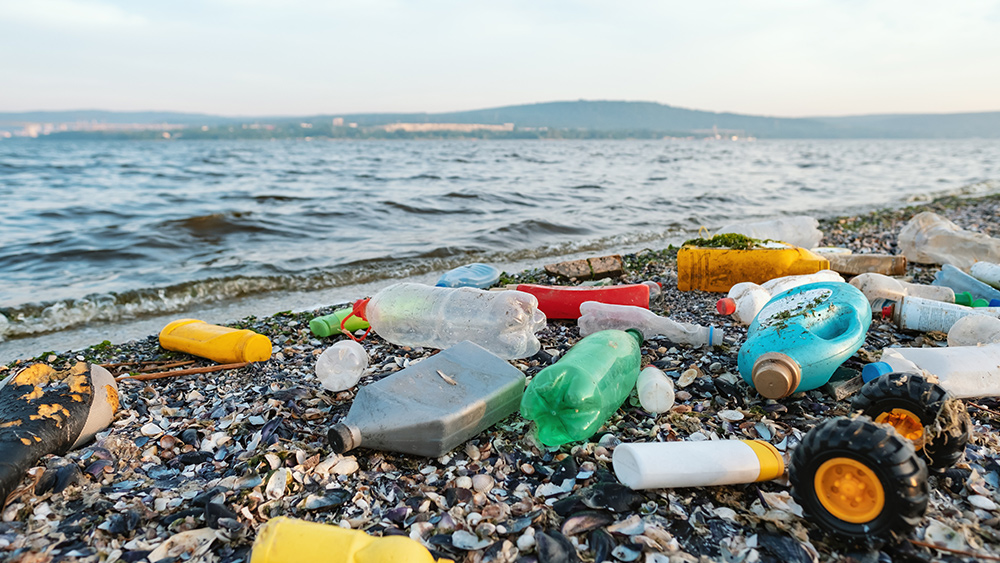
- The Dead Sea acts as a pollution archive, where plastic waste carried in by streams is trapped and preserved due to the lake’s extreme salinity and status as a terminal basin with no outflow.
- Distinct “plastic rings” form a chronological record, as receding water levels leave behind layered shoreline terraces, each band containing the plastic debris deposited in a specific year since around 2000.
- A forensic study reveals a sharp increase in plastic, with younger terraces holding hundreds of kilograms of waste and a projection of over a ton per terrace by 2030 if current trends continue.
- The harsh environment accelerates plastic breakdown, with researchers estimating that one kilogram of large plastic can generate about 4,000 microplastic particles annually, which then become part of the sediment or are buried in sinkholes.
- The findings underscore an urgent need for source prevention, calling for improved waste management, enforcement of laws and stream monitoring upstream to stop the Dead Sea from becoming a permanently polluted landscape.
A stark new environmental record is being written not on paper, but in plastic, along the receding shores of the Dead Sea. For over two decades, plastic waste from urban centers has been silently amassing at the lowest point on Earth, preserved by a unique cocktail of extreme conditions.
A groundbreaking study reveals that this iconic body of water is now an unintended archive, trapping a detailed history of human consumption and waste in distinct, layered bands along its coastline.
The research, led by scientists from the University of Haifa in collaboration with Italian colleagues, presents a sobering portrait of pollution in one of the planet’s most extreme environments. The Dead Sea, a hypersaline lake, meaning it has a salt concentration far higher than the ocean, is a terminal basin. Water flows in but does not flow out, escaping only through evaporation. This creates a natural trap where everything carried in stays in, making it what the researchers call an accelerated natural laboratory for studying the lifecycle of plastic pollution.
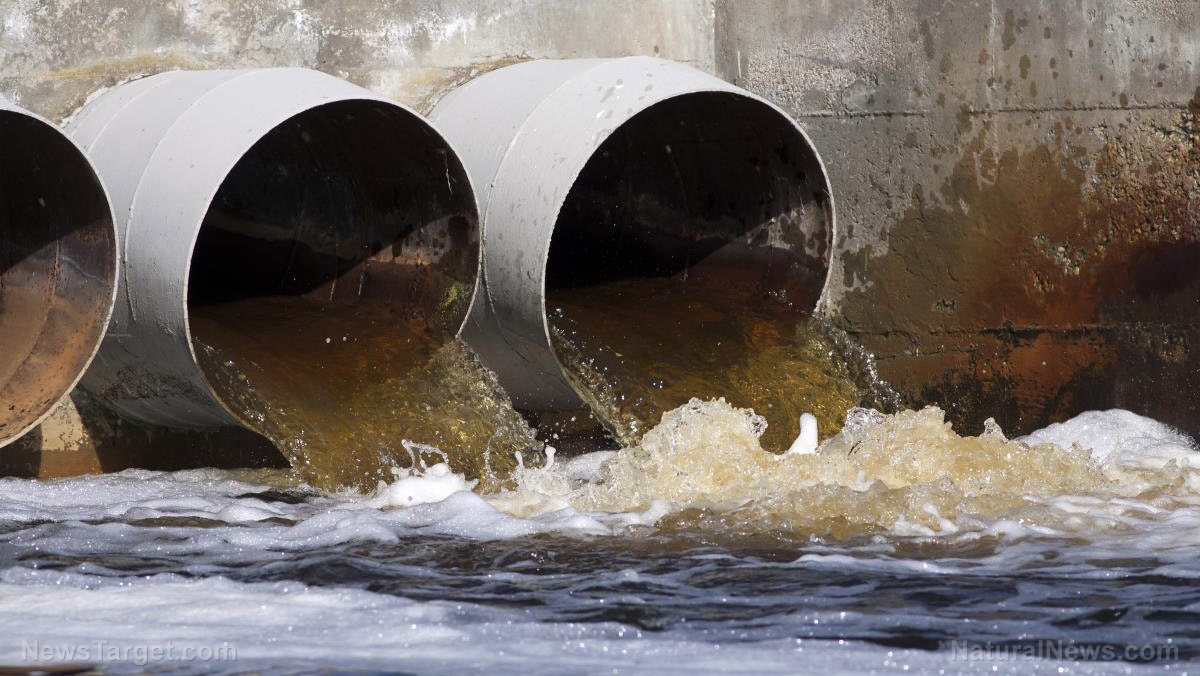
The primary culprit delivering this plastic payload is the Kidron Stream. This waterway drains extensive urban areas, including parts of Jerusalem. During the region’s brief but intense winter flash floods, it acts as a conveyor belt, washing sediments, debris and vast amounts of plastic waste down into the Dead Sea basin.
As explained by BrightU.AI‘s Enoch, once in the Dead Sea, the water’s extreme salinity makes it incredibly dense. Most plastic, which would sink in freshwater, floats on this briny surface. As the lake’s water level drops dramatically due to human water diversion and climate change, these floating plastics are left behind, stranded on newly exposed shoreline terraces.
Over time, this process has created a series of step-like banks or terraces. Each terrace corresponds to a previous shoreline, and each is lined with the plastic debris deposited in a given year. The research team has dubbed these formations “plastic rings” for their striking, layered appearance. They serve as a chronological ledger, documenting the type, volume and degradation of plastic waste entering the system annually since around the year 2000.
A methodical unearthing of a modern problem
To decode this archive, the scientists conducted a meticulous forensic examination. They focused on terraces formed between 2000 and 2021 at the point where the Kidron Stream meets the Dead Sea. Every visible piece of plastic on these terraces was collected and cataloged by weight, type and wear. The inventory was a cross-section of modern life: bags, bottles, food containers, toys and even discarded military equipment.
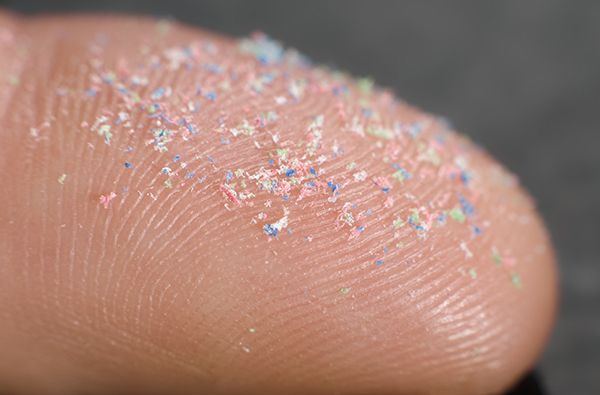
The investigation went deeper, literally, into the realm of microplastics—particles smaller than five millimeters. The team analyzed sediment samples, isolating these tiny fragments to photograph under microscopes and test with infrared spectroscopy. This technique identifies the specific chemical polymers, like polyethylene or polypropylene, that make up the plastic, and shows how they have been broken down by relentless sun, heat, and erosion.
The study found a sharp increase in plastic accumulation after the turn of the millennium. Younger terraces hold hundreds of kilograms of waste. The researchers project that if trends continue, a single terrace could contain over a ton of plastic by 2030.
The degradation process in this harsh environment is alarmingly efficient. The team estimates that one kilogram of large plastic can generate approximately 4,000 microplastic particles per year. These particles do not disappear. Some mix into the sediments, becoming part of the future geological record. Others fall into newly formed sinkholes and cracks along the retreating coast, effectively being buried and preserved for centuries.
A call for guardianship
The scientists described arriving at the site to see not only a dramatically shrinking sea but also a thick scum of plastic debris floating on the dense water—a jarring contrast to the sea’s ancient, stark beauty. They note that despite growing global awareness of plastic pollution, the influx into this closed basin continues to intensify.
The study concludes that recognition is the essential first step, but inaction is not an option. The most effective solution, they argue, is prevention at the source. This requires pinpointing the major leaks in waste management systems upstream, strengthening municipal collection and recycling, and enforcing existing environmental laws. Regular monitoring of the streams that feed the Dead Sea could quickly identify problem areas.
The final warning is stark. Without responsible intervention, the Dead Sea risks transforming from a natural wonder and therapeutic resource into a polluted, hazardous landscape. The plastic rings are more than an eyesore; they are a ticking chronological marker of human impact, a geological signal of the Anthropocene epoch being laid down in real-time at the lowest place on Earth. This unique archive, the researchers stress, offers the world a preview of the persistent legacy plastic pollution will leave in closed ecosystems everywhere.
Watch and learn about plastic in our oceans.
This video is from the Tomorrow’s World Viewpoint channel on Brighteon.com.
Sources include:
Submit a correction >>
Tagged Under:
This article may contain statements that reflect the opinion of the author
RECENT NEWS & ARTICLES