What if BREAST MILK was a vector for AUTISM and neurodevelopmental issues in children?
12/09/2025 / By Lance D Johnson
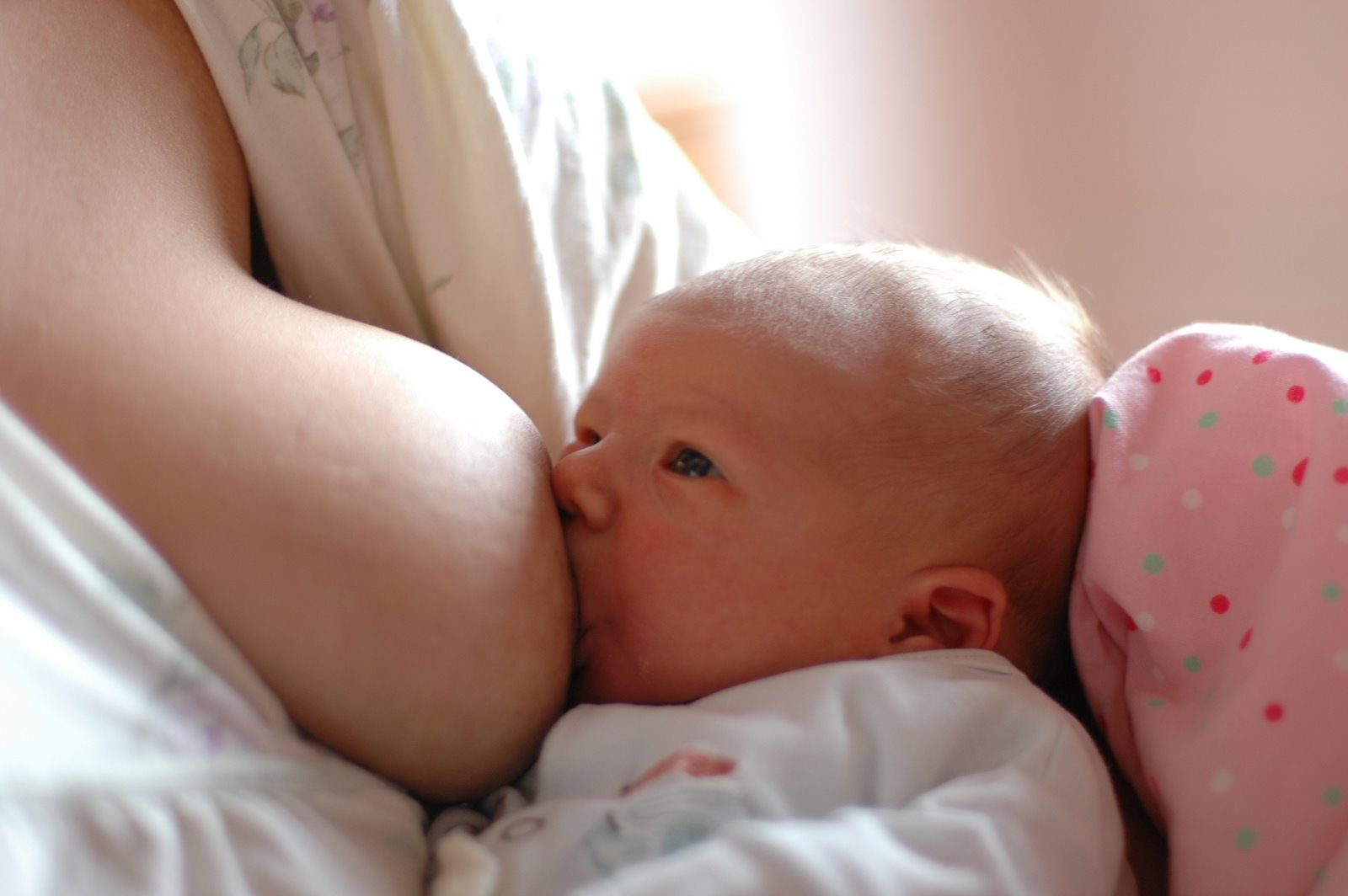
What if breast milk caused autism? This is not a question meant to instill fear, but a necessary question to ponder, considering there are many unknowns with breast milk supply, including different chemicals that are leeching into it from the mother’s bloodstream, potentially distorting the developmental processes of the baby.
Breast milk is often considered superior to formula, but one could make the case that breast milk is only better when it comes from a clean source. If breast milk comes from a body that contains leeched chemicals like bisphenols, perfluorinated chemicals, pesticides, flame retardants, and plasticizers, then the breast milk could be harming the hormonal development and the future cognition of the newborn.
While breast milk is naturally designed to provide everything a baby needs to develop their immune system and brain growth, what it carries from the mother could make all the difference in how the baby develops. In essence, the very act of nurturing is being weaponized by a toxic environment, turning a sacred biological function into a potential delivery system for neurological damage. How did we get here, and why is no one in power sounding the alarm?
Key points:
- A sweeping new scientific review confirms that breast milk from mothers globally is contaminated with a cocktail of endocrine-disrupting chemicals (EDCs), including flame retardants, “forever chemicals,” pesticides, and plasticizers.
- These chemicals, which disrupt the body’s hormonal systems, are linked to measurable delays in infant language and cognitive development, lower developmental test scores, and increased risks for behavioral issues like ADHD.
- Researchers stress that the benefits of breastfeeding remain clear, but the findings expose a critical public health failure: the unchecked pollution of the human body and the subsequent exposure of the most vulnerable.
- The study calls for urgent action to reduce maternal exposure to these pervasive toxins, highlighting a long-overlooked route of infant poisoning that demands regulatory reckoning.
A foundation of life, tainted at the source
For generations, the message has been simple and unequivocal: breast is best. The World Health Organization champions exclusive breastfeeding for the first six months, citing lifelong shields against infection, diabetes, and learning disabilities. Yet, this foundational pillar of infant health is now under a shadow we can no longer ignore. The problem is not the milk itself, but what is swimming within it. A global review of 71 studies, published in Current Environmental Health Reports, paints a disturbing portrait: a mother’s milk, across continents, is now a mirror reflecting humanity’s toxic chemical footprint.
The contaminants read like a manifest of modern industrial life. They found bisphenols from can linings and receipts, per- and polyfluoroalkyl substances (PFAS) from non-stick pans and stain-resistant fabrics, organochlorine pesticides that persist in soil decades after being banned, and flame retardants from couches and electronics. These are not accidental trace elements; they are endocrine-disrupting chemicals, synthetic compounds that mimic, block, or interfere with the body’s delicate hormonal messaging system. Hormones are the conductors of the symphony of human development, especially in the brain. When foreign chemicals hijack these signals, the music of growth turns to discord.
The developing brain under chemical siege
What does this chemical interference look like in a growing child? The science is moving from theoretical concern to concrete, measurable harm. Another pivotal study, published in the journal Science on February 18, directly connects prenatal exposure to these same EDCs with delayed language development in children. Professor Barbara Demeneix, an author of that study from the National Museum of Natural History in Paris, called the findings “very disconcerting.”
The breast milk review provides the frightening mechanism. It documents that the strongest negative impacts on brain development were tied to higher levels of flame retardants and pesticides in milk. One study found that higher exposure to polybrominated flame retardants was linked to lower scores on Bayley developmental tests, which measure an infant’s thinking, movement, and social-emotional growth. Another connected certain pesticides in milk to poorer cognitive and language outcomes later in childhood, even raising the risk of ADHD. Perhaps most striking, children whose mothers had higher levels of a specific flame retardant in their milk were 3.3 times more likely to exhibit impulsive, externalizing behaviors.
This is not just about learning a first word a few weeks late. This is about the fundamental architecture of a human mind being wired under a low-grade toxic assault. The thyroid gland, a master regulator of metabolism and brain development, is also a prime target. Multiple studies found clear associations between the chemical load in breast milk and altered thyroid hormone levels in infants, creating a double-barreled threat to healthy neurological maturation.
Infants ingesting endocrine-disrupting chemicals higher than recommended levels
These endocrine disrupting chemicals are ubiquitous by design—in our food packaging, our cosmetics, our furniture, and our water. They enter a mother’s body through inhalation, ingestion, and skin contact, accumulating in her tissues over a lifetime. During lactation, the body mobilizes fat stores, and these stored toxins are remobilized too, passing directly into the milk meant to sustain life.
The researchers note a damning fact: 13 of the reviewed studies reported that infants were ingesting levels of EDCs higher than recommended limits through human milk. Yet, these “safety” thresholds are often a sham, frequently based on adult tolerances and crudely adjusted for a baby’s tiny body weight, failing to account for the exquisite vulnerability of a developing brain. The variation in contamination from region to region only underscores the role of industrial activity and lax regulation; this is not a natural phenomenon, but a man-made poisoning.
The scientific team, led by Dr. Katherine E. Manz of the University of Michigan, is careful to state the official line: “the overall health benefits of breastfeeding are still clear and substantial.” But their real message screams from the data: we must “focus on creating environments that limit maternal exposure to these chemicals whenever possible.” In other words, the problem is not the mother or her milk. The problem is the chemical prison we have built around her.
Toxic environment for women and babies
On an individual level, mothers can seek to reduce their toxic load: choosing fresh, unpackaged foods, using phthalate-free personal care products, filtering water, and avoiding pesticide use. But this is an unfair burden to place on individuals navigating a world saturated with hidden dangers.
The researchers call for improved detection, standardized monitoring of breast milk, and studies that finally treat infant exposure with the seriousness it deserves. We must ask: why are chemicals allowed on the market without proof of their safety for the most vulnerable among us? The presence of these toxins in our first food is a profound betrayal, a sign that commerce has been valued above the cognitive future of our species.
Breastfeeding remains a profound bond and a biological gift. But that gift must not be pre-poisoned. Protecting it means protecting mothers from a toxic environment they did not create and demanding a world where a child’s first meal is not a cocktail of neurotoxicants. The mind of the next generation depends on how we cultivate an environment that supports their tender, developing biological systems.
Sources include:
Submit a correction >>
Tagged Under:
This article may contain statements that reflect the opinion of the author
RECENT NEWS & ARTICLES