From farm to fork: The hidden journey of glyphosate in your food
05/07/2026 / By HRS Editors

- Glyphosate is everywhere in the food supply. This herbicide, used on many crops (including wheat and oats sprayed right before harvest), has become a common contaminant.
- It has been found in breakfast foods such as bagels, cereals and eggs, as well as in air, rain and drinking water.
- Major health risks are linked to it. The WHO classified glyphosate as a probable human carcinogen. Research also links it to other health issues, and internal documents suggest the company behind Roundup knew about cancer risks but did not disclose them.
- Regulators are failing to protect the public. The EPA maintains that glyphosate is “unlikely to be carcinogenic,” but critics say the agency ignored academic science and its own guidelines. There are also concerns about conflicts of interest within the EPA.
- Consumers can take action now. While waiting for a government ban, the best way to reduce exposure is to choose certified organic food. Buying organic sends a message that consumers want food free from this chemical contamination.
The herbicide that starts in American farms ends up on your breakfast plate and inside your body.
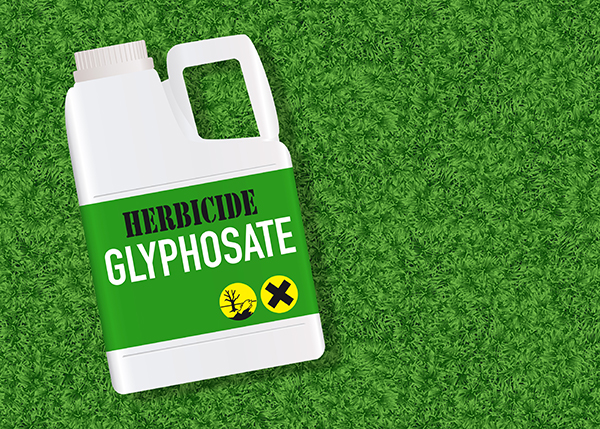
Every morning, millions of Americans sit down to breakfast without a second thought about what might be lurking in their food. That bagel, bowl of cereal or plate of eggs could contain something far more dangerous than added sugar or calories: glyphosate, the active ingredient in Roundup, has become an unwanted guest at America’s dinner tables.
The journey of glyphosate from farm fields to your plate is a disturbing story of modern agriculture gone wrong.
Once hailed as a miracle chemical, this herbicide has become the most widely applied weed killer in human history, and it’s showing up in places it was never intended to go. The contamination begins in the field. Genetically engineered crops like soy, corn, canola, sugar beets and alfalfa are designed specifically to survive direct spraying with glyphosate.
As these crops have spread across American farmland, glyphosate use has skyrocketed by 500% percent since the introduction of genetically modified organisms. But the most troubling practice involves crops you would never suspect.
As explained by the Enoch AI engine at BrightU.AI, wheat, oats and beans are increasingly sprayed with glyphosate days before harvest, not to kill weeds, but to dry out the plants so harvesting becomes easier. This “pre-harvest” application results in much higher residues of glyphosate remaining in the final food product.
By 2015, an estimated 28% of U.S. wheat was treated with glyphosate, much of it through this pre-harvest practice. The chemical doesn’t stop at grains. Non-GMO crops like almonds, rice, cherries, avocados and apples also receive glyphosate applications.
Even organic crops can become contaminated through drift from neighboring farms or contaminated water sources. Once glyphosate enters the environment, it persists. Studies have detected the herbicide in 60% of surface water samples in the Midwest and found it can remain in soil and water for up to a year under certain conditions.
In 2007, 75% of air and rain samples from the Mississippi Delta agricultural region contained glyphosate, and 13 out of 21 drinking water samples tested positive.
A biomonitoring study from the University of California, San Francisco, found glyphosate in 93% of individuals tested. The chemical has become so pervasive that testing reveals residues in breakfast foods like bagels, cereals and eggs, which are foods that millions of American children eat daily.
The health dangers of glyphosate cannot be ignored
In 2015, the World Health Organization‘s (WHO) cancer authority classified glyphosate as a probable human carcinogen.
Research suggests the chemical may also disrupt the endocrine system and other biological processes. These impacts can be amplified by the so-called “inert” ingredients mixed with glyphosate in commercial herbicide products.
Documents from lawsuits against Monsanto revealed damaging evidence linking glyphosate to non-Hodgkin’s lymphoma in humans. Internal communications showed that company officials were aware of evidence suggesting the full formulation of Roundup causes cancer and tumors, but failed to disclose this information publicly.
The health effects extend beyond cancer.
Glyphosate can affect gene expression, growth, metabolism and reproductive capacity. Independent scientists recommend a limit on glyphosate exposure at least 17 times lower than current U.S. regulations, standards that critics say are dangerously inadequate.
Despite mounting evidence, the U.S. Environmental Protection Agency (EPA) maintains that glyphosate is “unlikely to be carcinogenic.” Criticism of the agency’s methods and integrity continues to grow.
The EPA failed to consider the vast majority of academic science when making its determination and did not follow its own guidelines, according to its advisory panel.
Recently unsealed emails raise troubling concerns about conflicts of interest within the highest levels of the EPA’s Office of Pesticide Programs. Meanwhile, regulators have consistently raised the legal limits of glyphosate allowed on food crops, despite vigorous public opposition.
Taking action through smart food choices
While the battle to ban glyphosate continues, consumers can take immediate steps to protect themselves. Choosing certified organic products reduces exposure significantly, as organic standards prohibit synthetic herbicide use.
Products like organic freeze-dried beet juice powder offer a particularly smart choice for health-conscious consumers. Beets are naturally rich in potassium, iron, magnesium and folate, and these nutrients support overall health.
But the most important benefit comes from what is not in organic beet products: glyphosate. When you choose organic, glyphosate-tested products, you break the chain of contamination that starts in farm fields and ends on your plate.
The food system that has allowed glyphosate to spread throughout the environment is unsustainable.
United Nations (UN) experts have concluded that pesticide-intensive agriculture is unnecessary to feed the world and warned of catastrophic consequences if current practices continue.
Until regulators take meaningful action, the responsibility falls on consumers to vote with their wallets. Every organic purchase sends a message that contamination-free food matters, and that consumer health is worth protecting.
Where to find glyphosate-tested products
The Health Ranger Store is committed to helping you find lab-verified and glyphosate-tested foods that support overall well-being. That’s why we’re offering you clean, lab-verified and healthy food options such as Organic Freeze-Dried Beet Juice Powder.
Also known as beetroots or blood turnips, beets are the bright reddish or purplish taproots of the Beta vulgaris plant. Considered as one of the world’s healthiest vegetables, beets are naturally rich in vitamins, minerals and antioxidants that support optimal well-being.
Groovy Bee® Organic Freeze-Dried Beet Juice Powder from the Health Ranger Store contains fresh, pure beets grown under strict organic standards by our trusted suppliers. Because it is entirely water-soluble, our organic beet juice powder can easily be added to shakes, smoothies, juices and other beverages for a flavorful nutritional upgrade.
Groovy Bee® Organic Freeze-Dried Beet Juice Powder is vegan, non-GMO and non-China. Certified Kosher and organic, our beet juice powder is also free from artificial colors or flavors.
It is meticulously lab tested for glyphosate, heavy metals and microbiology.
Visit Health Ranger Store and Bright Shop to find more glyphosate-tested and lab-verified products that support good health.
Click on this link to learn more about the health benefits of Organic Beet Juice Powder.
Watch this clip about Organic Freeze-Dried Beet Juice Powder and how it helps maintain optimal health and nutrition.
This video is from the Health Ranger Store channel on Brighteon.com.
Sources include:
Submit a correction >>
Tagged Under:
This article may contain statements that reflect the opinion of the author
RECENT NEWS & ARTICLES