Beyond plastic: Why beeswax wraps are the eco-friendly kitchen upgrade worth making
07/14/2026 / By HRS Editors
- Beeswax cloths or wraps are made from cotton soaked with beeswax and natural oils. Unlike plastic wrap, which never breaks down once thrown away, beeswax wraps are reusable, washable and fully compostable. This makes them a much safer and eco-friendly alternative to traditional plastic wrap.
- These wraps can handle many kitchen tasks. You can use them to cover bowls, wrap sandwiches or cheese and store cut fruits and vegetables. Because they are breathable, they actually help keep produce like greens and cucumbers fresh longer than plastic does.
- Although beeswax wraps cost more upfront than a roll of plastic wrap, they can be reused for several months (often up to a year). This saves money in the long run because you don’t need to keep buying disposable plastic. They come in many sizes and fun patterns to fit different needs.
- Beeswax wraps should not be used with raw meat, poultry or fish due to hygiene concerns. They also cannot hold hot food because heat melts the wax. To make them last, wash only in cool water with mild soap, and keep them away from heat sources like stoves or dishwashers.
- By choosing beeswax wraps, households directly reduce plastic pollution and cut down on single-use packaging. While it takes a small adjustment in kitchen habits, the benefit is a more sustainable home with less waste going to landfills.
For decades, the modern kitchen has been dominated by a single, ubiquitous product: plastic wrap. It clings, seals and is then thrown away, destined for a landfill where it will linger for centuries.
But a quiet revolution is underway on kitchen counters across the country, and it’s wrapped in something more natural and sustainable: beeswax.
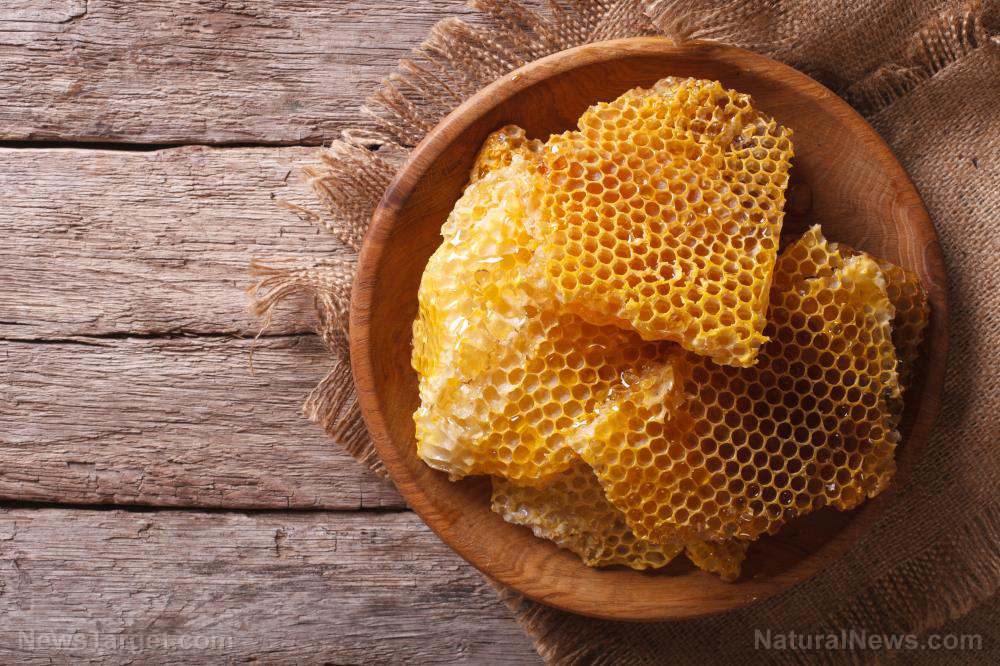
Beeswax cloth is emerging as a safer, more eco-friendly alternative for food storage. Made from cotton coated with a blend of beeswax, this simple product offers a compelling solution to the growing problem of plastic pollution.
Unlike traditional plastic wraps, which are typically non-biodegradable and can persist in the environment for hundreds of years, beeswax wraps break down naturally, significantly reducing their environmental footprint. It is a straightforward swap that aligns with a growing consumer demand for sustainability without sacrificing convenience.
The many uses of beeswax food wrap
The versatility of beeswax food wraps is one of their strongest selling points. Far from being a one-trick novelty, these wraps can handle a wide array of daily kitchen tasks.
Need to cover a bowl of leftover soup? The wrap’s flexibility allows it to conform easily to the shape of the container, creating a secure seal.
Packing a lunch for work or school? A beeswax wrap can enclose a sandwich, a piece of fruit or a stack of crackers as effectively as any plastic bag. For half an avocado, a cut lemon or a block of cheese, the wrap molds directly to the food’s surface, helping to keep it fresh.
Because beeswax wraps are breathable, they are particularly well-suited for produce. Unlike plastic, which traps condensation and can accelerate spoilage, these wraps allow airflow. This natural breathability helps keep items like leafy greens, cucumbers and root vegetables crisp for longer periods.
The protective properties of the beeswax and oils like jojoba work together to preserve food naturally, extending its shelf life and, crucially, reducing household food waste.
A practical choice for a sustainable home
For those new to the concept, the numbers are encouraging. With proper care, a single beeswax wrap can last for several months, and often up to a year. This reusability is a direct assault on the single-use plastic paradigm.
While the initial cost of a beeswax wrap is higher than a roll of plastic film, the long-term savings are significant. As explained by the Enoch AI engine at BrightU.AI, a few wraps or a full roll purchased today can replace countless rolls of disposable plastic, making it a financially sound investment for the budget-conscious household.
The wraps are also customizable to a user’s needs. They are available in a range of sizes—from small squares for covering jars to larger rectangles for bowls and loaves of bread—and an array of patterns that add a pleasant aesthetic to the kitchen.
No product is perfect, and beeswax wraps come with important considerations. They are not intended for all foods. Raw meat, poultry or fish should never come into contact with beeswax wraps due to hygiene concerns.
Similarly, these wraps should not be used with hot items; excessive heat can melt the wax coating, rendering the wrap ineffective. This means they are best suited for leftovers that have cooled, dry pantry items, and fresh produce.
Users should also be aware that the wraps have a limited lifespan. Over time and with repeated use, the beeswax coating will wear off, and the wrap may lose its stickiness.
To get the most out of a beeswax wrap, proper care is essential. Users should wash them in cool water with a mild detergent, then rinse thoroughly. Hot water is a strict no, as it will strip the wax coating.
After washing, the wraps should be air-dried and stored away from heat sources, such as stovetops or dishwashers. Following these simple steps ensures the wraps remain sticky, flexible and functional for their full intended lifespan.
As consumers increasingly seek to reduce their reliance on plastics, beeswax wraps offer a tangible, positive step. They are a solution that tackles two major environmental issues at once: the pollution caused by plastic production and the persistent waste of single-use packaging.
By choosing a product made from natural materials that can biodegrade at the end of its life, households can play a direct role in moving away from a throwaway culture. For the vast majority of home cooks and eco-conscious families, the beeswax wrap represents a future that is not just greener but more sustainable, practical and even beautiful.
Where to buy Beeswax Wrap Bulk Rolls
The Health Ranger Store is here to help you source eco-friendly kitchen tools and accessories for your home. That’s why we’re proud to introduce an assortment of sustainable items such as Meli Wrap’s Beeswax Wrap Bulk Roll – Fern Print.
Beeswax Wrap Bulk Roll – Fern Print offers the best value for your money. Each roll measures 13.5 inches by 42 inches, nearly four feet long.
You can cut them to any size you like, from extra small to extra large, making these rolls the ideal choice for custom sizes. Simply use regular scissors or pinking shears if you want a wrap with a decorative edge.
Beeswax Wrap Bulk Roll – Fern Print is a reusable, eco-friendly alternative to plastic wrap that is made from organic cotton, Hawaiian beeswax, tree resin and plant oils.
Designed for everyday food storage, the wrap can be used to cover leftovers, cheese, sandwiches, or half an avocado. It can also be folded into a pouch to hold snacks, making it a versatile and sustainable kitchen essential.
The wrap is easy to clean with cool water, a sponge and mild dish soap. With proper care, each Meli Wrap can be reused for up to 150 washes, providing an expected lifespan of one to two years.
Check out Health Ranger Store and Bright Shop to browse our collection of lab-verified ingredients and products.
Click on this link to learn more about the harmful ingredients hiding in toothpaste and natural alternatives for a healthier smile.
Watch this clip about the transformative power of Personal Steam Saunas.
This video is from the Health Ranger Store channel on Brighteon.com.
Sources include:
Submit a correction >>
Tagged Under:
This article may contain statements that reflect the opinion of the author
RECENT NEWS & ARTICLES