Glyphosate is in your bread… and the White House just gave its manufacturers legal immunity
02/27/2026 / By Cassie B.
- Florida officials found a common weed killer in most tested bread products.
- The Trump administration is moving to shield the chemical’s makers from lawsuits.
- Critics call this a legal maneuver to protect Bayer from cancer liability claims.
- The order has split a health movement whose leader now defends it.
- The situation highlights a conflict between legal limits and public health safety.
A Florida health initiative’s discovery of a common weed killer in supermarket bread has reignited a fierce debate over pesticide safety and the government’s role in protecting corporate interests over public health. The finding comes as the Trump administration moves to shield the manufacturers of this chemical from lawsuits, a maneuver critics say is less about national defense and more about insulating a multi-billion dollar industry from legal accountability.
Governor Ron DeSantis, First Lady Casey DeSantis, and Florida Surgeon General Dr. Joseph Ladapo announced this month that testing of eight common bread products found glyphosate residues in six of them. Glyphosate, the active ingredient in Monsanto’s Roundup, is classified as a probable human carcinogen by the World Health Organization’s cancer agency. The detected levels, ranging from about 10 to 191 parts per billion, were all within legal limits set by the U.S. Environmental Protection Agency.
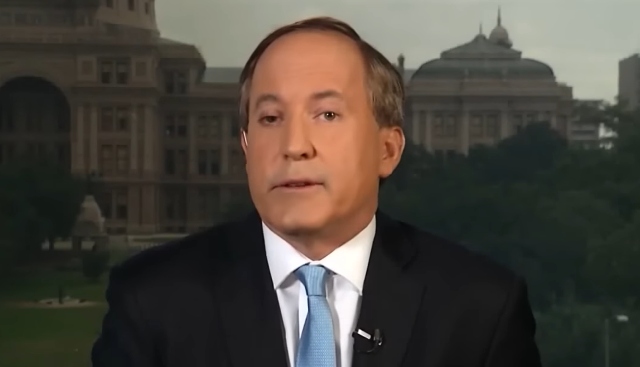
“It’s weed killer,” Casey DeSantis said. “There’s no way that should be in bread, full stop.” Ladapo added that glyphosate has “some really insidious effects,” pointing to research linking it to gut health issues and a weakened blood-brain barrier.
A legal shield, not a defense need
The Florida report landed as President Donald Trump issued an executive order invoking the Defense Production Act of 1950. The order aims to ensure an adequate supply of glyphosate-based herbicides, describing them as “a cornerstone of this Nation’s agricultural productivity.” Crucially, it also seeks to grant “immunity” from lawsuits to producers of these chemicals when acting under federal directives.
Health and wellness expert Jillian Michaels, a proponent of the health-focused MAHA movement, called the order “devastating.” “It is not a conspiracy theory that glyphosate is linked to cancer,” Michaels said. “There have been hundreds of studies that have illustrated how it increases risks significantly for non-Hodgkin lymphoma.”
Nothing in the president’s order appears to meet the original intent of the Defense Production Act to supply materials for military conflicts or disasters, according to an analysis by Beyond Pesticides. Instead, the timing suggests a different motive: Bayer, the owner of Monsanto, is facing over $10 billion in jury verdicts and settlements from thousands of plaintiffs who claim Roundup caused their cancer, with tens of thousands of cases still pending.
Questions of influence and methodology
The push to protect glyphosate manufacturers aligns with a pattern of favorable policies for Bayer under the Trump administration. A review by U.S. Right to Know found 16 key administration officials with ties to Bayer’s lobbying or legal network, including individuals in the White House, USDA, EPA, and the Justice Department. The Justice Department has also urged the Supreme Court to side with Bayer in a case that could limit the company’s future liability.
This scientific and regulatory tug-of-war is not new. A landmark study concluding glyphosate did not cause cancer was retracted last year after it was revealed the authors did not disclose their relationship with Monsanto. Meanwhile, routine USDA and FDA testing continues to find pesticide residues in much of the U.S. food supply.
MAHA movement feels betrayed
The executive order has created a rift within the Make America Healthy Again (MAHA) movement, a key part of the political coalition that elevated Robert F. Kennedy Jr. to Secretary of Health and Human Services. Kennedy, who as a lawyer won a major case against Monsanto, now defends Trump’s order as necessary for agricultural stability and national security.
“President Trump did not build our current system — he inherited it,” Kennedy wrote on social media. His support has sparked outrage among activists. “It’s been a year. Not a single thing has been done by the EPA to reduce our children’s and families exposure to pesticides,” replied Moms Across America founder Zen Honeycutt.
The situation presents a dramatic contradiction. While Florida’s top health official warns that glyphosate “doesn’t seem to have a safe level of exposure,” state agencies have sprayed more than 135,000 pounds of it into Florida waterways over the past decade to control aquatic weeds. This practice continues despite concerns from environmentalists.
The core issue remains whether legal limits for chemical residues truly ensure safety or merely codify acceptable risk for industry. When the government moves to legally protect the makers of a probable carcinogen found in daily food, it forces a difficult question: Are we defending the nation’s food supply, or are we defending a profitable status quo at the potential expense of public health? For families just trying to buy a safe loaf of bread, the answer feels increasingly clear.
Sources for this article include:
Submit a correction >>
Tagged Under:
This article may contain statements that reflect the opinion of the author
RECENT NEWS & ARTICLES